Thru-Hikes of the World: 48 Great Long-Distance Trails
A thru-hike is the simplest idea in travel: start at one end of a long trail and walk to the other. The oldest ones are pilgrimages a thousand years old; the newest were stitched together in the last decade. They range from a four-day walk with hot dinners and wine to six months of carrying everything you own. What they share is a way of seeing a place that no road trip, tour, or city break can match — at three miles an hour, every valley is earned and every village is an event.
This is our overview of 48 of the world's best-known thru-hikes and long-distance trails. Below you'll find why people do this, how to choose a first one, and links to six regional guides that cover every route in detail, each with a simple map of where the trail actually goes.
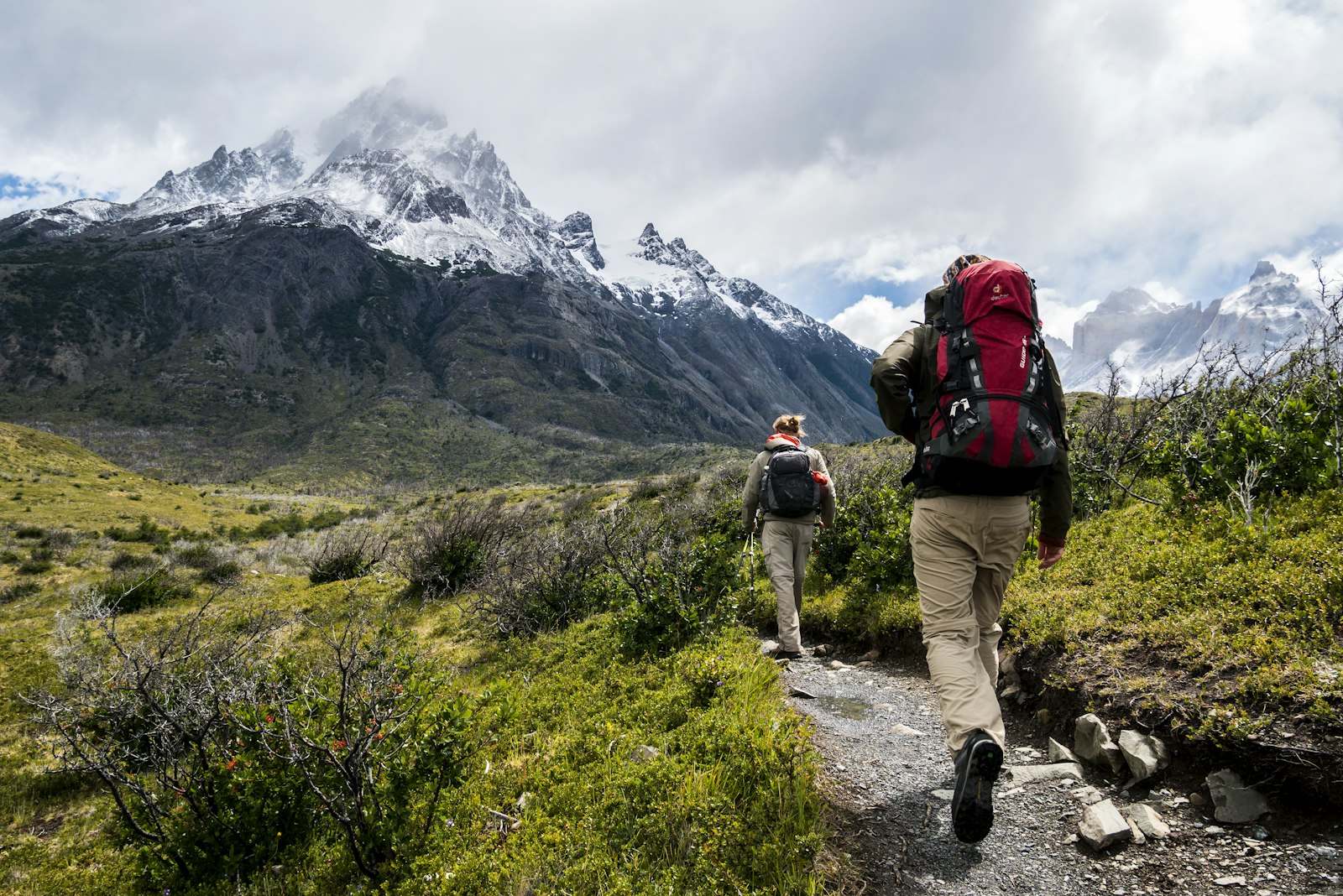
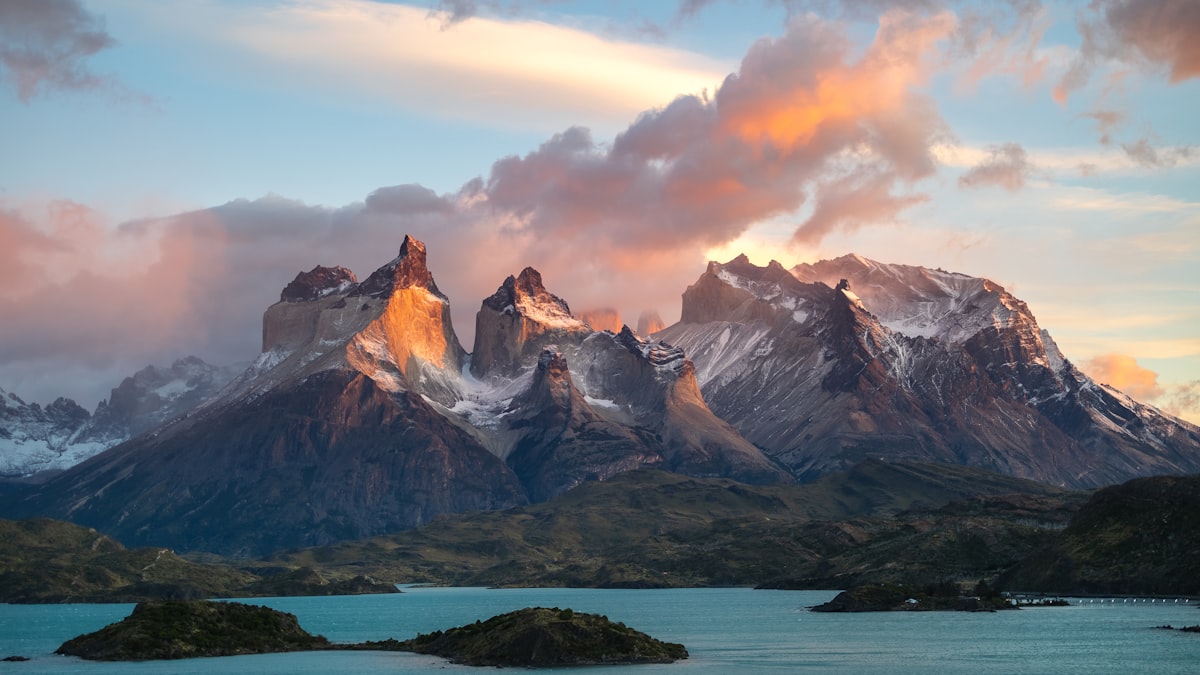
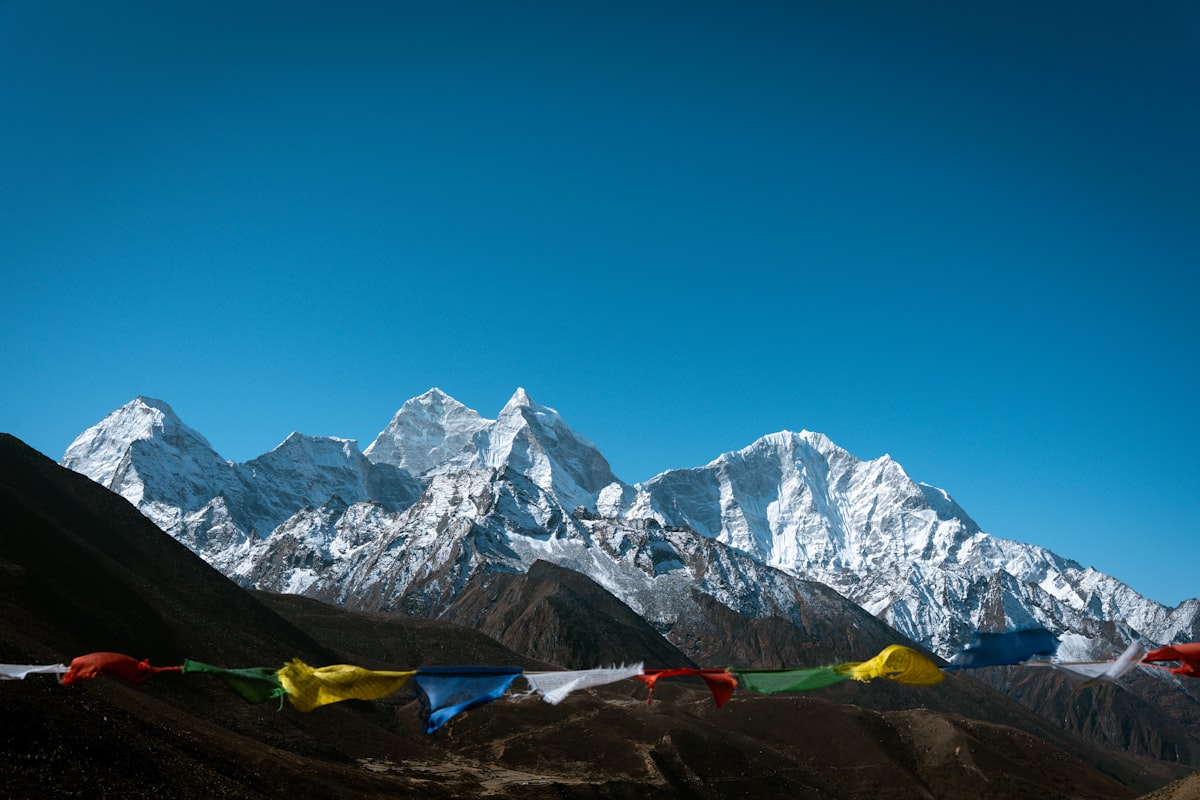
The adventure. Long trails put you in the landscapes that don't have parking lots: the backside of the Paine massif where the Southern Patagonian Ice Field fills the horizon, the Thorong La at 5,416 meters strung with prayer flags, the Sierra passes of the John Muir Trail, the Fimmvörðuháls saddle between two Icelandic glaciers. You walk into them slowly enough to watch them change, and you leave the same way. Weather becomes something you live inside rather than check on a phone. Resupply towns you'd never otherwise visit — Pie Town, New Mexico; Stehekin, Washington; Chame, Nepal — become the highlights of the trip.
The wonder. Most of these routes have history underfoot. The Camino Francés and Japan's Kumano Kodo are the only two pilgrimage routes on the UNESCO World Heritage list, and both are still walked for the reasons they were built. The Inca Trail finishes on the original paving through the Sun Gate. The Via Francigena follows an archbishop's itinerary from 990 AD; the Lycian Way passes rock tombs older than that. Even the young trails borrow old ground — the West Coast Trail was cut to rescue shipwreck survivors, and Vermont's Long Trail, finished in 1930, is the oldest long-distance hiking trail in America and the idea that became the Appalachian Trail.
The other benefits. People who finish a long trail tend to describe the same things. Fitness arrives as a side effect rather than a project. Sleep resets to sunrise and sunset. Decisions shrink to where to get water and where to stop, and after a week that simplicity feels less like deprivation than relief. Trail communities — the AT's shelters and trail names, Camino albergues, Nepalese teahouse dining rooms, the osettai gifts pressed on pilgrims in Shikoku — create friendships at a speed normal life doesn't allow. And because thru-hiking costs mostly time, it is one of the cheapest ways to spend a month in a spectacular place: a Camino pilgrim can walk 500 miles on less than many people spend on a long weekend.
Choosing a first one. Be honest about three things: time, terrain, and tolerance for logistics. If you have a week to ten days and want beds and food every night, the West Highland Way, the Tour du Mont Blanc, Alta Via 1, the Kumano Kodo, or the Milford Track are ideal. If you have a month and want the social fabric without the suffering, walk a Camino. If you want altitude with teahouses, Nepal's Annapurna Circuit or Everest Base Camp trek. If you want true wilderness with a pack and a few weeks, the John Muir Trail, the Colorado Trail, or the Wonderland Trail — all permit lotteries, so plan a winter ahead. Save the Triple Crown, the Great Himalaya Trail, the Drakensberg Grand Traverse, and the Greater Patagonian Trail for when the shorter ones feel easy.
Difficulty, defined. Across this series we use four grades. Moderate means well-marked trails, regular resupply or huts, and forgiving terrain. Challenging adds sustained elevation, longer resupply gaps, and some weather exposure. Strenuous means big daily climbs, altitude, remoteness, or technical sections. Expert involves route-finding, glacier travel, extreme remoteness, or months-long logistics. Distances are approximate and every grade assumes a reasonably fit hiker carrying a multi-day pack.
When to go, in one line per region. North America's big three start in spring and finish before autumn snow; Europe walks June to September in the mountains and spring or fall on the coasts and pilgrim roads; Nepal is October–November or March–May; Patagonia is December–March and Peru is May–September; Africa's treks run in the dry seasons; New Zealand and Tasmania walk October to April while Australia's desert and outback trails are winter routes.
Explore the trails by region. Each guide covers every route with distance, time, difficulty, the best season, a couple of local stops generic guides miss, and a schematic map of the trail.
- North America — the Triple Crown and seven more: Appalachian, Pacific Crest, and Continental Divide trails; John Muir, Colorado, Long, Arizona, and Wonderland trails; Canada's Great Divide and West Coast trails.
- South America — Patagonia and the Andes: Torres del Paine O Circuit, Huayhuash Circuit, Inca Trail, Greater Patagonian Trail.
- Europe — 17 great long-distance trails: Camino Francés, Tour du Mont Blanc, GR20, Haute Route, West Highland Way, Pennine Way, South West Coast Path, Laugavegur, Kungsleden, Alta Via 1 and 2, GTA, Via Francigena, Selvaggio Blu, GR11, Lycian Way.
- Asia & the Middle East — Himalaya to Petra: Everest Base Camp, Annapurna Circuit, Great Himalaya Trail, Kumano Kodo, Shikoku 88, Israel National Trail, Jordan Trail.
- Africa — Kilimanjaro, Drakensberg, and Fish River: Kilimanjaro's Lemosho route, Drakensberg Grand Traverse, Fish River Canyon Trail.
- Oceania — New Zealand and Australia: Te Araroa, Milford and Routeburn tracks, Overland, South Coast, and Three Capes tracks, Larapinta, Heysen, and Bibbulmun.