Albuquerque Travel Guide: Balloons, Petroglyphs & Red Chile
🗺 View the 18 places in this post on a map
Albuquerque gets treated as a pass-through: an airport on the way to Santa Fe, a stretch of Route 66, the city from Breaking Bad. Give it three or four days and it pays you back with things no other American city has in one place: a sky full of balloons, thousands of centuries-old rock carvings inside the city limits, a tram to a 10,378-foot ridge, and a food culture built entirely around one question: red or green? The city sits at 5,312 feet, so the sun is strong and the nights are cool. September and October are the best months, with chile roasters smoking outside every grocery store and the Balloon Fiesta filling the sky. April and May come second. Summer brings 95-degree afternoons and short monsoon storms, so plan outdoor time for the mornings.
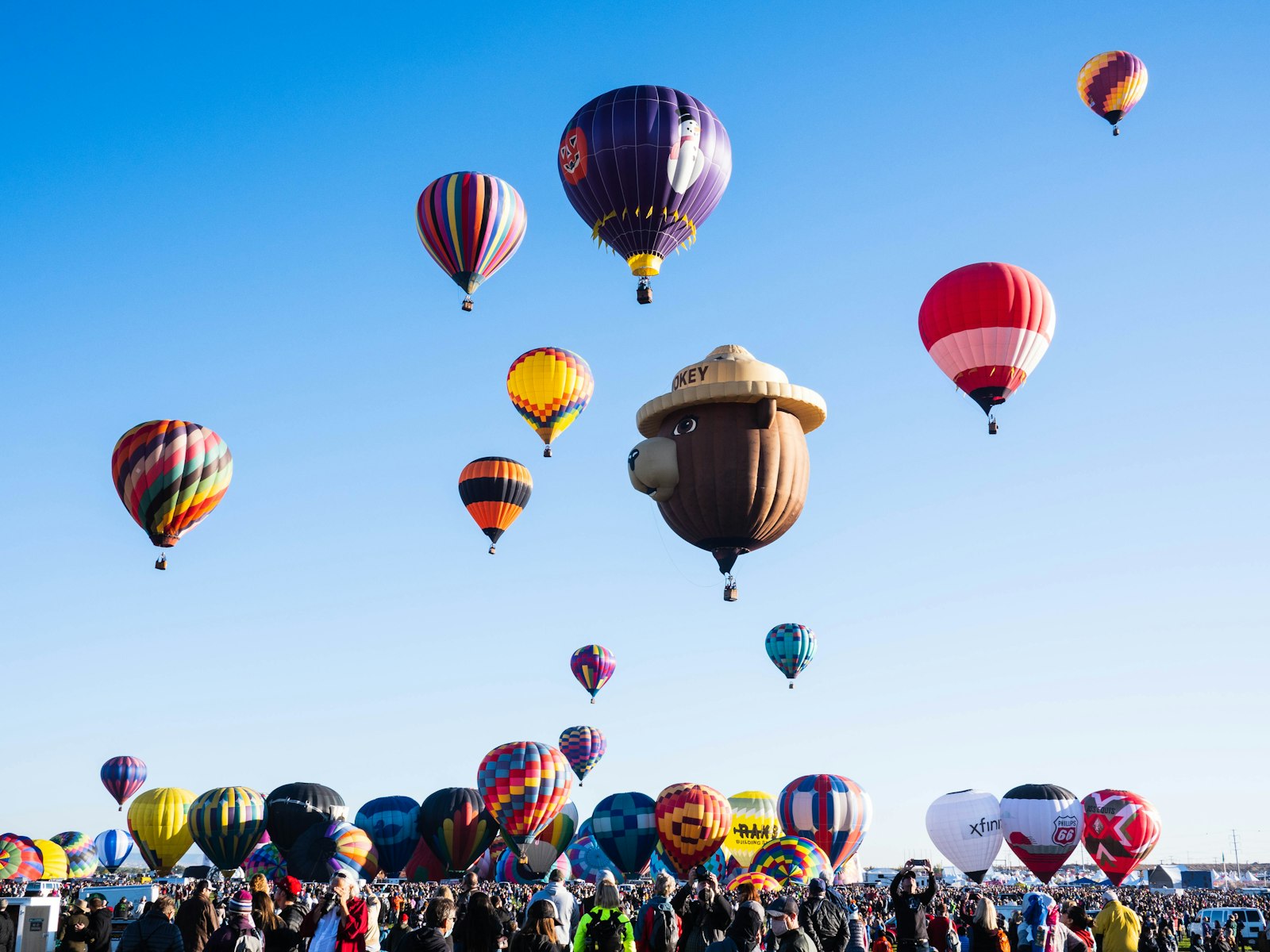
The Albuquerque International Balloon Fiesta is the reason to come in October. The 54th Fiesta runs October 3–11, 2026, at Balloon Fiesta Park on the north side of town, and more than 500 balloons launch at the morning mass ascensions. Get there in the dark: Dawn Patrol pilots go up first with their burners lit, and the mass ascension usually starts around 7 a.m. while you stand on the field among the crews. The traffic jams on Alameda Boulevard are famous, so book the Park & Ride online ahead of time. It costs $32.59 per adult in advance, includes admission, and runs buses from Cottonwood Mall and Coronado Center at 4 and 5:30 a.m. (there's no service Monday through Wednesday). If you visit outside Fiesta week, the Balloon Museum next to the field tells the story of the sport, and local operators fly year-round on calm mornings.
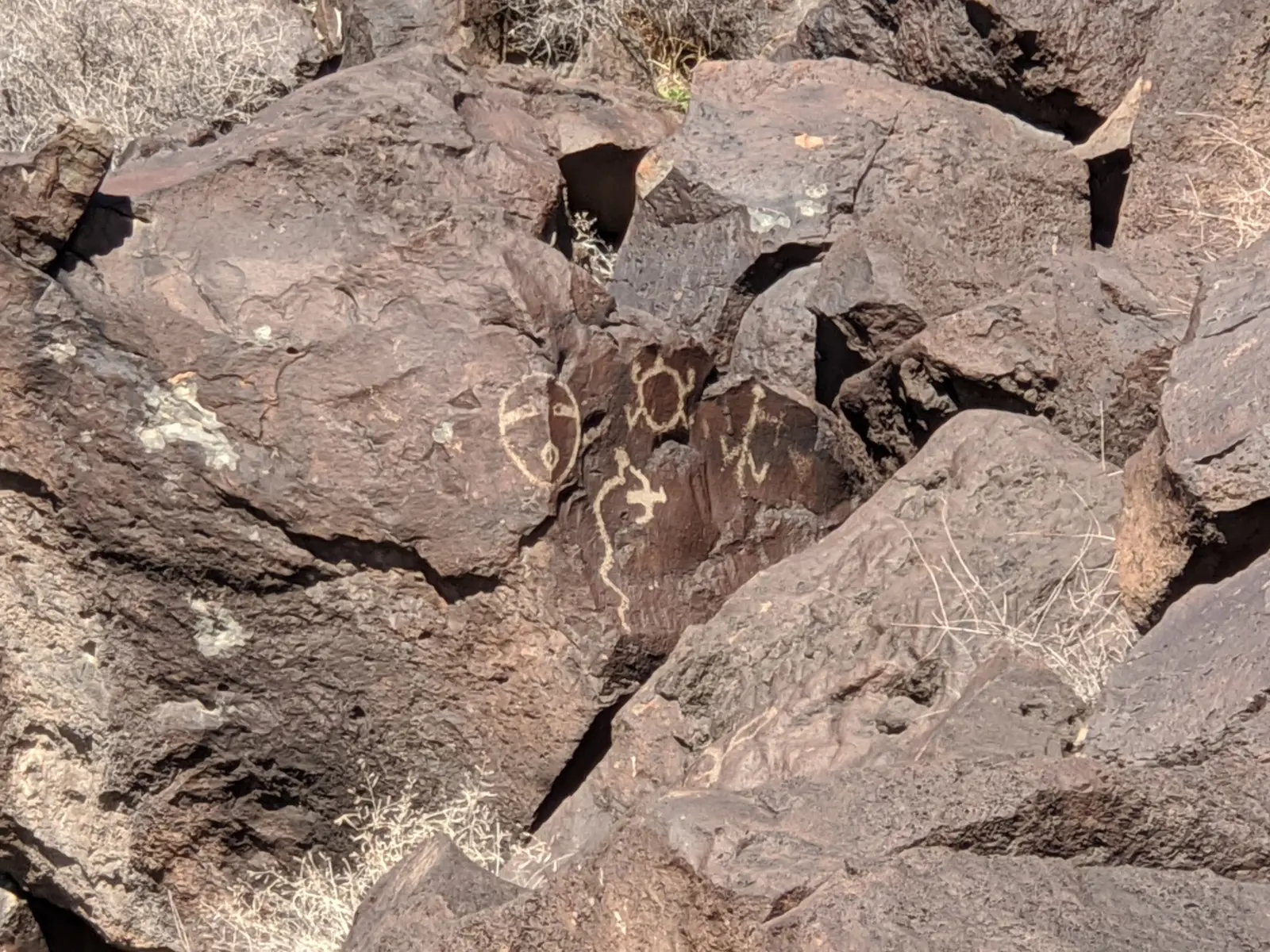
Petroglyph National Monument is the stop to put at the top of your list. Seventeen miles of volcanic escarpment along the West Mesa hold more than 20,000 images pecked into black basalt, most of them by ancestral Pueblo people between about 1300 and 1700: spirals, masks, birds, snakes, and later Spanish crosses. Most visitors go to Boca Negra Canyon, which has three short paved loops, a small parking fee, and hours of 8:30 a.m. to 4:30 p.m. It's a good first look, but go on to Piedras Marcadas Canyon. Its trailhead sits at the edge of a northwest neighborhood, parking is free, the trail is open sunrise to sunset, and its 1.8-mile sandy round trip passes up to 400 petroglyphs, often with nobody else in sight. There is no water or shade, so go early, bring a liter per person, and stay on the trail.
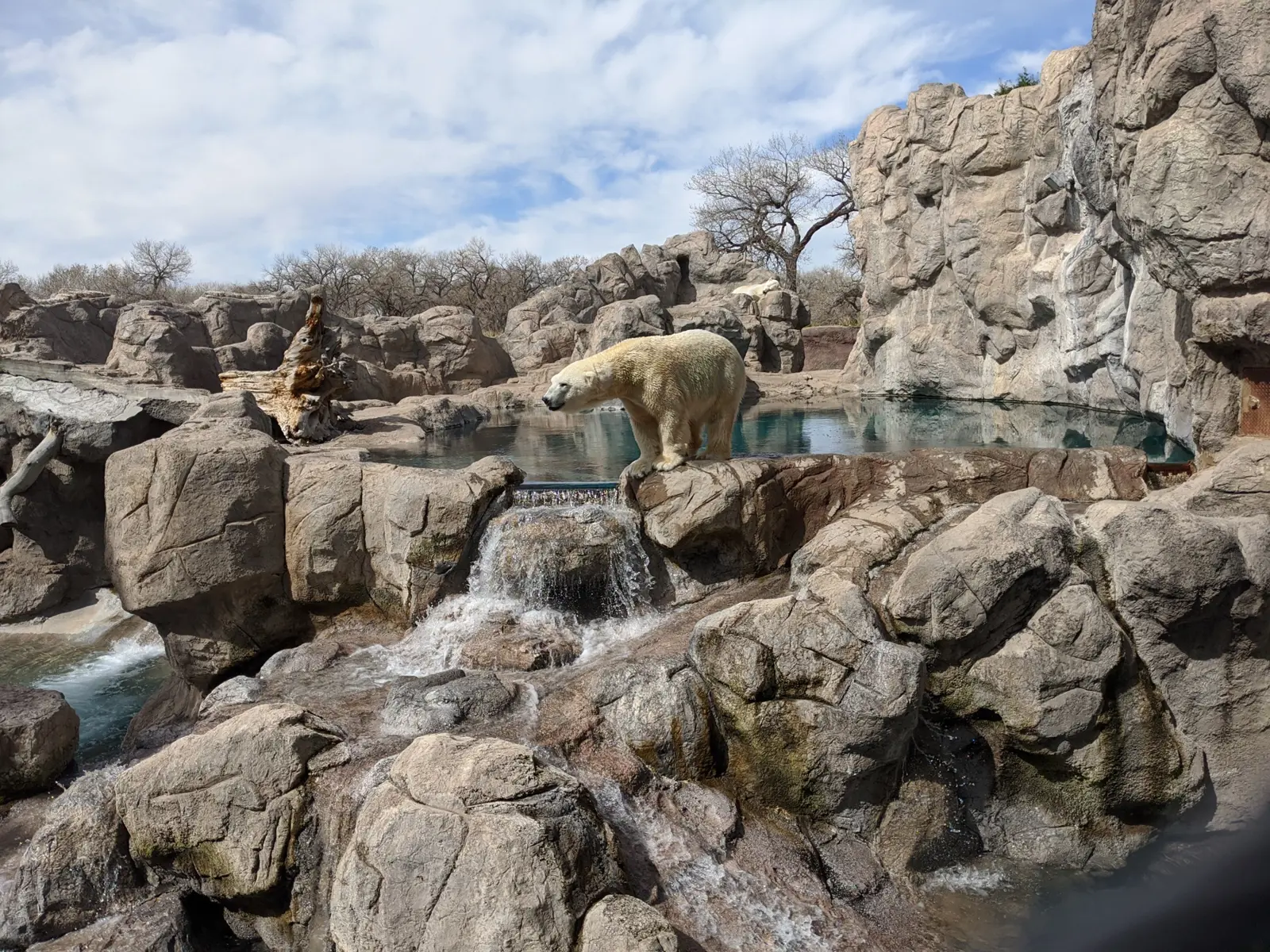
Spend a day between Old Town and the Rio Grande. Old Town has been the city's center since 1706. Skip the souvenir shops on the plaza and walk into San Felipe de Neri Church, an adobe church built in 1793 that still holds Mass. A five-minute drive north, the Indian Pueblo Cultural Center is owned by New Mexico's 19 Pueblos and is the best introduction to the people who made those petroglyphs. It has a museum, courtyard dances on many weekends, and the Indian Pueblo Kitchen for lunch. The city-run ABQ BioPark splits into two sites. The Aquarium and Botanic Garden sit together just west of Old Town, and the Zoo is a mile south. Kids love the zoo's polar bear habitat, with its waterfall pools under the cottonwoods. Cold War history buffs should add the National Museum of Nuclear Science & History, where a B-52 bomber anchors the outdoor Heritage Park.
Eat where Albuquerque eats. New Mexican food is its own cuisine, not Tex-Mex. It runs on Hatch-style green chile and sun-dried red chile, and when the server asks "red or green?" the answer "Christmas" gets you both. The essential lunch is Mary & Tito's Cafe on Fourth Street NW, a family-run spot since 1963 that won a James Beard America's Classics award in 2010. Order the carne adovada, pork slow-braised in red chile, as a plate or in a turnover. It's open for lunch only and closed Sundays. A few blocks east of Old Town, Duran Central Pharmacy has been a working drugstore since 1942, and the lunch counter at the back makes flour tortillas by hand and serves some of the city's best red chile. Near the University of New Mexico on Central, the Frontier Restaurant is the late-night favorite for breakfast burritos and its huge buttery sweet rolls. Walk off dinner on Route 66 through Nob Hill, where vintage neon signs light up the bars and shops.
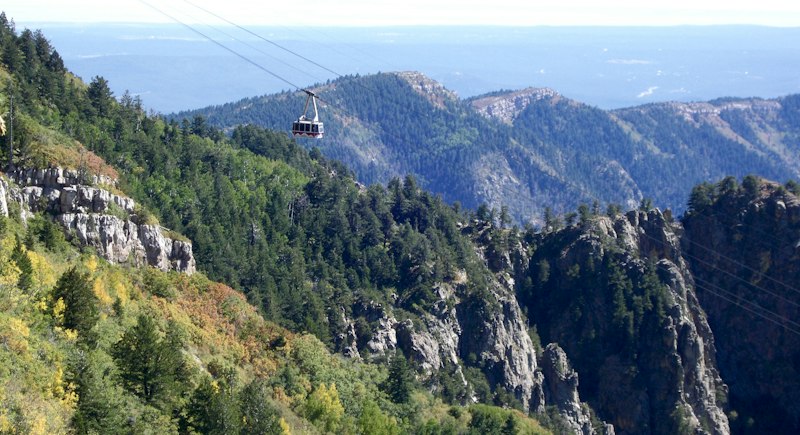
Ride up the Sandias, then watch them turn pink. The Sandia Peak Tramway climbs 2.7 miles in about 15 minutes to the ridge at 10,378 feet, with the whole Rio Grande Valley spread below. Ride up an hour before sunset, eat at TEN 3 at the top, and come down in the dark over the city lights. One caution for 2026: the Forest Service has closed the Sandia Crest area and the upper stretch of NM-536 for construction through fall 2027. The tram runs normally, and the La Luz Trail is open up to the tram, but the drive up the back of the mountain to the Crest is off for now. For sunset, locals skip the tram crowd and drive to Elena Gallegos Open Space in the foothills along Tramway Boulevard. Parking is $1 on weekdays and $2 on weekends (card only), and the picnic area looks west over the whole city. Stay after the sun goes down and the mountain behind you glows watermelon pink, which is how the Sandias got their name.
Slow down in the North Valley. The cottonwood forest along the Rio Grande, called the bosque, is where the city goes to cool off. Rio Grande Nature Center State Park on Candelaria Road has three short trails down to the river and a wildlife pond where sandhill cranes and ducks gather from late fall through winter. It costs $10 per car for out-of-state visitors and nothing if you walk or bike in on the paved Paseo del Bosque trail. A few miles north in the village of Los Ranchos, Los Poblanos Historic Inn & Organic Farm is 25 acres of lavender fields, cottonwoods, and John Gaw Meem buildings from the 1930s. Even if you don't stay over, book dinner at Campo, its farm-to-table restaurant, and wander the gardens and farm shop first. The lavender blooms in June and July. For a three-day trip, spend one day on the West Mesa and in Old Town, one day on the Sandias and in Nob Hill, and one day in the North Valley, with a Fiesta sunrise if your dates line up.
About the author
Kristian Ranstrom
I built Get Busy Exploring because I kept losing track of where I'd been. I chase lists — fourteeners, highpoints, Munros — and I'm just as happy getting lost in a city on foot. I write up the trips here: routes, itineraries, and what I'd do differently.