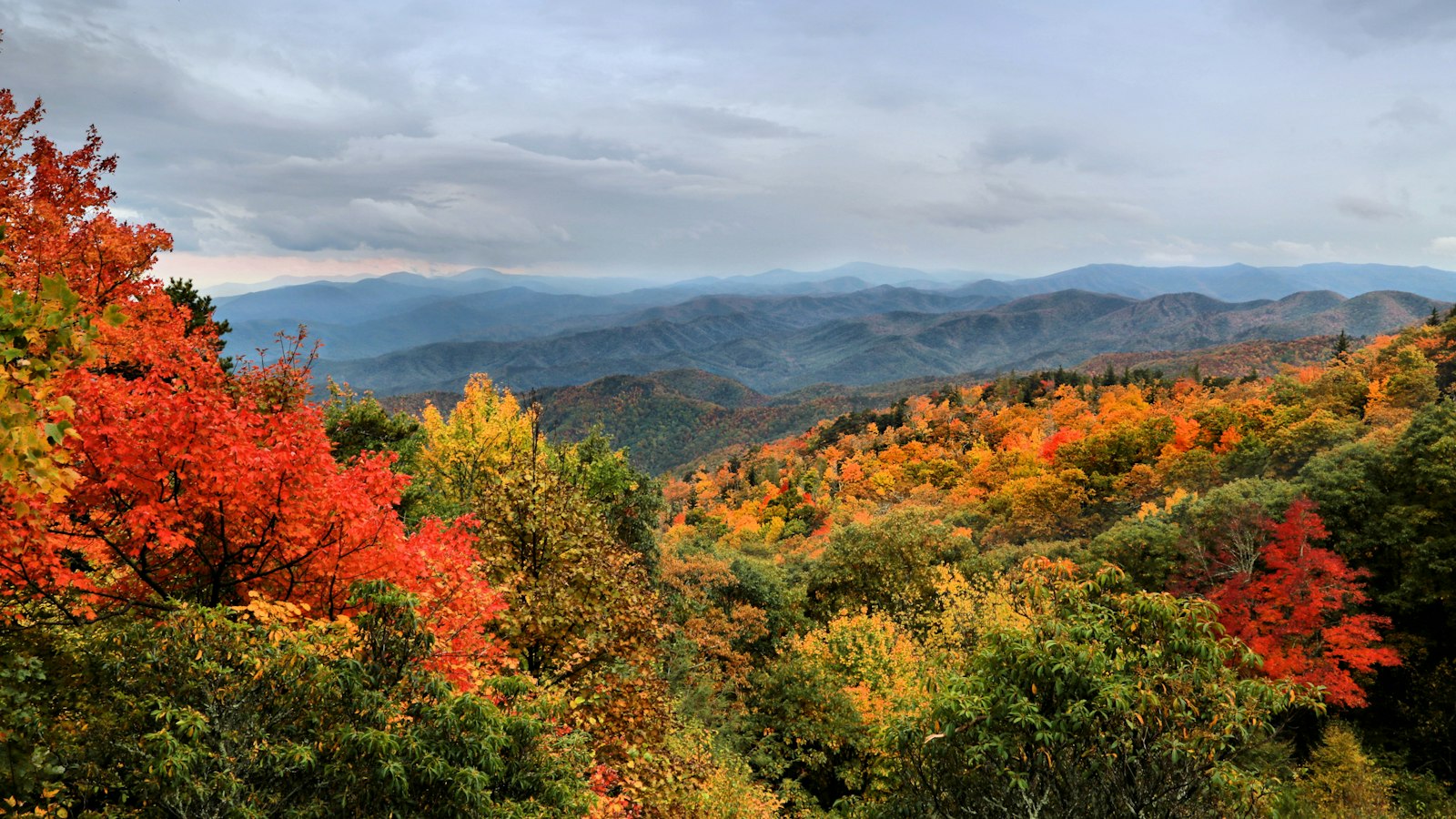
North Carolina Gem Mining: Franklin, Spruce Pine, Hiddenite
🗺 View the 12 places in this post on a map
North Carolina has more kinds of gems and minerals than almost any state in the country, and its mountains have been dug for mica, quartz, rubies, and emeralds for well over a century. You can still get your hands in that dirt. The state's gem mining splits into three distinct areas, each with its own stones: Franklin in the far southwest for rubies, sapphires, and garnets; the Spruce Pine mining district along the Blue Ridge Parkway for aquamarine, emerald, and feldspar crystals; and tiny Hiddenite, in the foothills east of the mountains, for emeralds and the rare green gem that gave the town its name. All three are an easy weekend, and the best ones let you keep everything you find.
Native dirt vs. enriched buckets. Before you pay anyone, know the difference. A native mine sells you dirt dug right there, with whatever nature left in it. Finds are smaller and less certain, but the stones are genuinely local. An enriched or "salted" bucket has gems from around the world mixed in, so kids are guaranteed a pile of color at the flume. Both are fun, but if you want to say you found a North Carolina ruby, ask for native dirt. Honest mines will tell you which is which. Most operations run from spring through October, so late-season trips need a call ahead.
Franklin and the Cowee Valley rubies. Franklin calls itself the Gem Capital of the World, and the Franklin Area Chamber of Commerce keeps a list of nearly a dozen mines around town. The ones worth your morning sit north of town in the Cowee Valley, where prospectors tied to Tiffany & Co. tested the creek gravels for rubies in the 1890s. Sheffield Mine is the local favorite: a native ruby and sapphire mine on a quiet farm road, and one of the very few places on Earth that turns up star rubies. It's open daily from April through October 31, rain or shine, and new miners need to arrive by 3 p.m. Next door in the valley, Mason Mountain Mine sells unlimited native buckets from its own dig pile for $40 per adult and $20 for kids 6 to 12. It's also one of the few mines that stays open into November and December on a reduced Wednesday–Saturday schedule, and its shop can cut and set your finds in three to eight weeks.
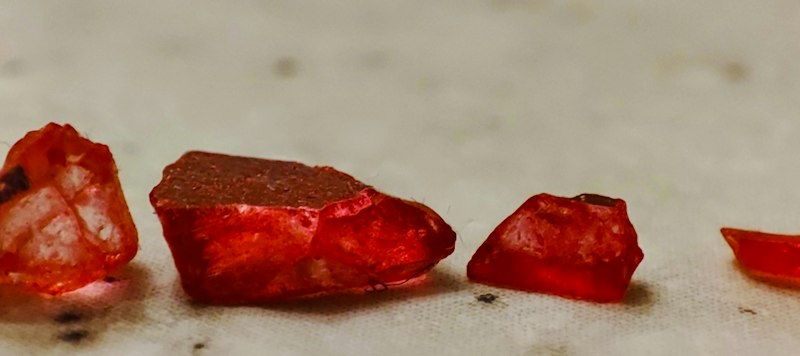
For a cheaper, quieter dig, Rose Creek Mine charges $20 for an unsalted dig-your-own bucket, with rhodolite garnet, kyanite, and quartz crystals in the native dirt. It's open Wednesday through Sunday, April to October. On select nights it also runs black-light mining for fluorescent minerals, a hit with older kids. Back in town, spend an hour at the Franklin Gem & Mineral Museum, which fills the cells of the old Macon County jail with local rubies, sapphires, and fossils. Admission is free, and it's open Tuesday through Saturday, noon to 4 p.m. If you can time it, Franklin's big gem shows fill the town in mid-May and again in late July.
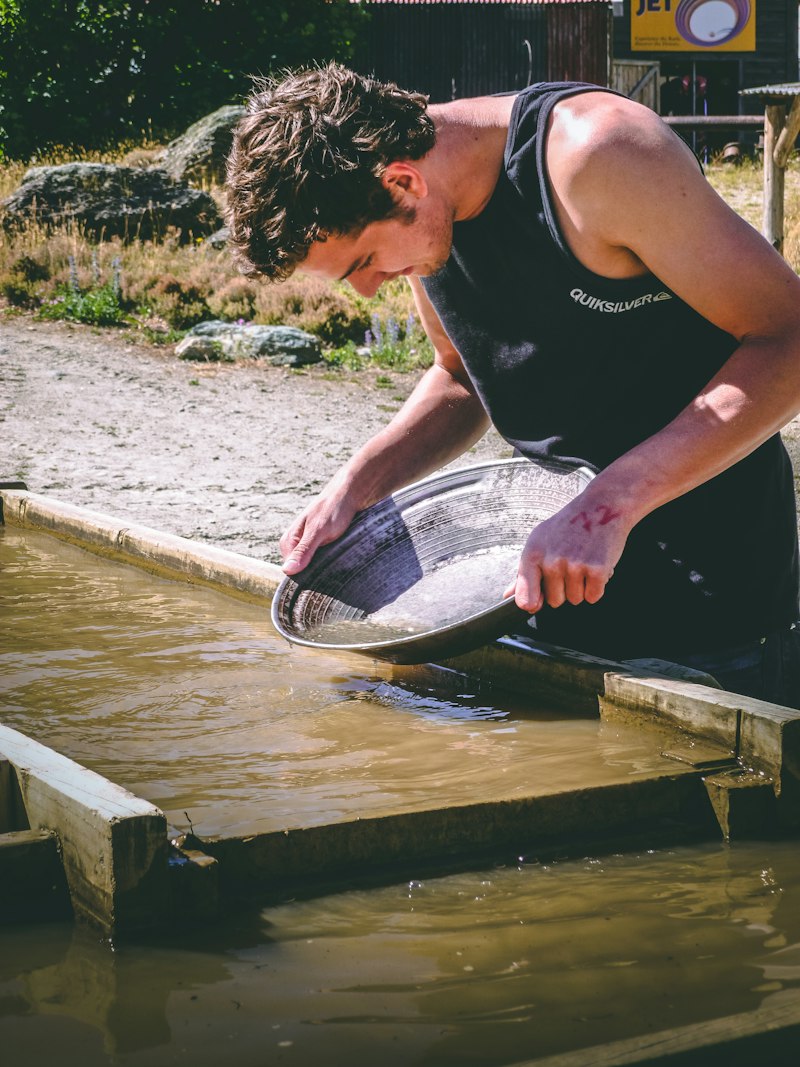
Spruce Pine and the Parkway mines. About three hours northeast of Franklin, Spruce Pine sits in one of the richest mineral districts in North America. Its ultra-pure quartz goes into the crucibles used to make computer chips worldwide. Start at the Museum of North Carolina Minerals at Milepost 331 on the Parkway, a free National Park Service museum with hundreds of local specimens and a good primer on what you'll be digging for. From there it's a short drive to Emerald Village near Little Switzerland, where you can walk the underground tunnels of the old Bon Ami feldspar mine in the North Carolina Mining Museum ($15 adults, $10 ages 5 to 12) and then work a gem bucket ($15 and up). The real local move here is the $25 permit to collect on the historic McKinney Mine dumps or at the Crabtree Emerald Mine dig. These are actual mine tailings, not a flume, and serious rockhounds come for the feldspar, garnet, and the odd green beryl. Emerald Village is open daily through October 31.
On the other side of town, Gem Mountain on Highway 226 has a busy flume line, custom jewelry made from your finds, and a store full of local aquamarine and emerald. It's open Monday through Saturday. When your hands are cold, walk it off on the 2.5-mile loop to Crabtree Falls at Milepost 339, where the water drops over a 60-foot rock cliff, a stop most Parkway drivers skip. Hurricane Helene hit this area hard in 2024, and repairs to the Parkway are still ongoing, so check the Parkway road closures page before you plan a route. For a bed, the Switzerland Inn in Little Switzerland has big ridge views right off the Parkway, while Big Lynn Lodge a mile up NC 226A is an old-school mountain lodge whose rates include dinner and breakfast for two. If you're visiting in summer, the NC Mineral & Gem Festival in Spruce Pine (July 30 to August 2 in 2026) adds dealers, demonstrations, and a night tour of a working mine.
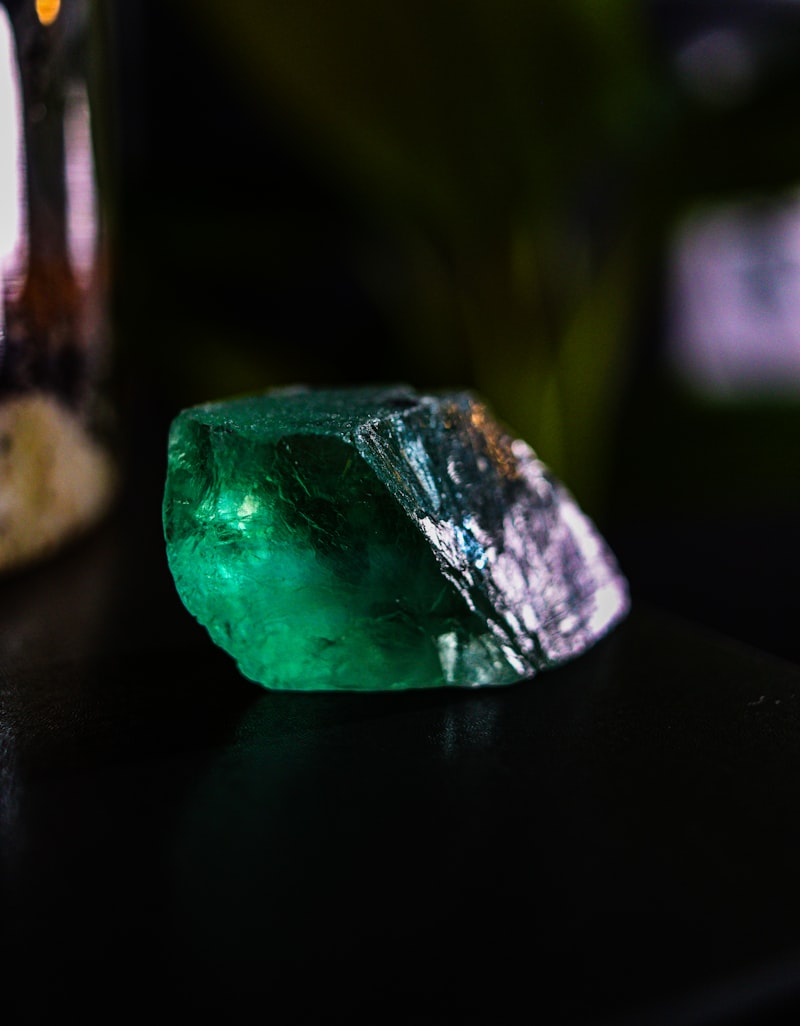
Hiddenite: emeralds in the creek. Hiddenite, about an hour north of Charlotte, is named for William Earl Hidden, who came here in 1879 on Thomas Edison's dime looking for platinum and left with a new green gem instead. Some of the largest emeralds ever found in North America came out of the surrounding farm fields. Emerald Hollow Mine is the only emerald mine in the country open to the public, and a $30 adult permit ($10 for ages 4 to 14) covers a full day of sluicing, digging, and tools. Skip the sluice line and go creekin': you wade the ankle-deep creek with a trowel and a screen and pick through gravel that washed down from the mine above. It's best right after a hard rain. Before you leave, tour the turn-of-the-century Lucas Mansion, now the Hiddenite Arts & Heritage Center, just down the road. It has local history exhibits and doubles as the county visitor center.
Planning your trip. Give each area a full day: one for the Cowee Valley, one for Spruce Pine and the Parkway, and Hiddenite as a stop on the way to or from Charlotte. Wear clothes you don't mind ruining and closed-toe shoes that can get wet, and bring a towel, sunscreen, and a few zip-top bags for your finds. Weekdays in May, September, and early October are the sweet spot, with cool mornings, short lines, and fall color on the ridges by mid-October. Most mines close at the end of October, so if you're reading this late in the season, call before you drive.

About the author
Kristian Ranstrom
I built Get Busy Exploring because I kept losing track of where I'd been. I chase lists — fourteeners, highpoints, Munros — and I'm just as happy getting lost in a city on foot. I write up the trips here: routes, itineraries, and what I'd do differently.