Rail Biking in the US
Click a route badge (or its pin) to mark it ridden — click again for “want to ride.” Every commercial rail bike operation in the country, 36 depots across 20 states: Rail Explorers' six divisions, Revolution Rail's six stations, and the independents from the Skunk Train's redwoods to the Wallowas.
Northeast0 / 13
Mid-Atlantic0 / 4
South0 / 4
Midwest0 / 3
Mountain West0 / 2
West Coast0 / 10
What rail biking is
A rail bike is a pedal-powered cart with flanged steel wheels that rides on real railroad track — a two-seat tandem or a four-seat quad, almost always with an electric assist motor now, run as a guided convoy along a stretch of line that trains no longer use. Tours cover four to fourteen miles in about two hours, there's no steering to worry about, and children as young as two ride along. The first commercial tours started in the Adirondacks in 2015; a decade later there are around three dozen places to do it, spread across twenty states.
The appeal is the right-of-way. Railroads were built along the gentlest grades in the landscape, so the track follows rivers, threads rock cuts and tunnels, and crosses trestles that no road or trail gets near — the 156-foot Bass Point Creek High Trestle in Iowa, the 1838 Howard Tunnel in Pennsylvania, the Buffalo Creek & Gauley's cliffs in West Virginia, the redwoods along Pudding Creek at Fort Bragg. This map is every US operator with a public depot, grouped by region; our rail biking guide walks through all of them with what each ride is like.
Who runs them
Two companies account for a third of the map. Rail Explorers, the original operator, runs six divisions: the Catskills (Phoenicia, New York), Rhode Island (Portsmouth), Bluegrass (Versailles, Kentucky), Elk River (Clay, West Virginia), Boone (Iowa), and Amador (Ione, California). Revolution Rail Co. has six stations: North Creek, Thurman, and Cattaraugus in New York, Cape May in New Jersey, Belfast and Dedham in Maine, and South Fork in Colorado. The rest are independents, often a scenic railroad that added rail bikes to its idle track — the Skunk Train, Mount Hood Railroad, the Essex Steam Train, Blue Ridge Scenic Railway, Nickel Plate Express — or a small outfit built around one line, like Joseph Branch Railriders in Oregon's Wallowa County or Vance Creek Railriders on the Olympic Peninsula.
Operators come and go; the Cooperstown and Las Vegas divisions closed, and the Coquille, Oregon ride is on hiatus for 2026. Closed depots stay on the list so past rides still count. Click a badge or its pin to mark a route ridden, again for want-to-ride.
Booking and what to expect
Most routes run May through October, with California and a few Sun Belt lines open longer; sunset, lantern, and fall-foliage departures sell out weeks ahead. Pricing is usually per bike rather than per seat — roughly $100 for a tandem and $200 for a quad — and weight limits and minimum rider counts vary, so read the fine print. You check in at a depot, get a short briefing, and ride in a spaced convoy with a guide at each end; at the far end the crew either spins the bikes on a turntable or you swap seats and pedal home facing the other way. Closed-toe shoes, layers, water, and sunscreen cover it: there is no shade on a trestle.
Recent from the blog
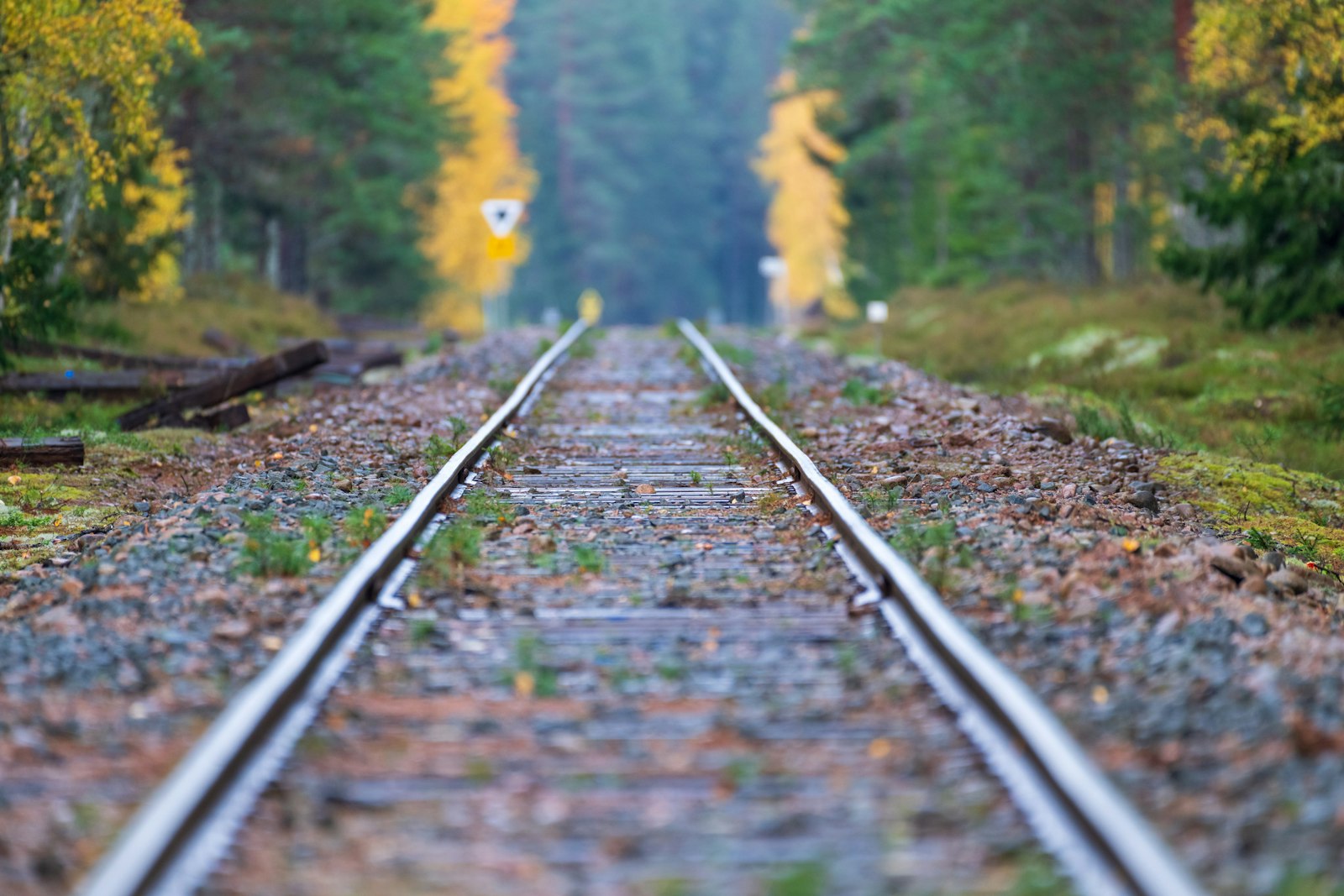 Rail Biking in the US: Every Place You Can Pedal the TracksSeptember 8, 2026
 American Samoa: Visiting the Most Remote US National ParkSeptember 7, 2026
 Zion National Park: Angels Landing, the Narrows & BeyondSeptember 5, 2026
 Florida Keys Guide: Key West and the Islands In BetweenSeptember 1, 2026
 Svalbard: A First-Timer's Guide to Longyearbyen at 78°NAugust 31, 2026
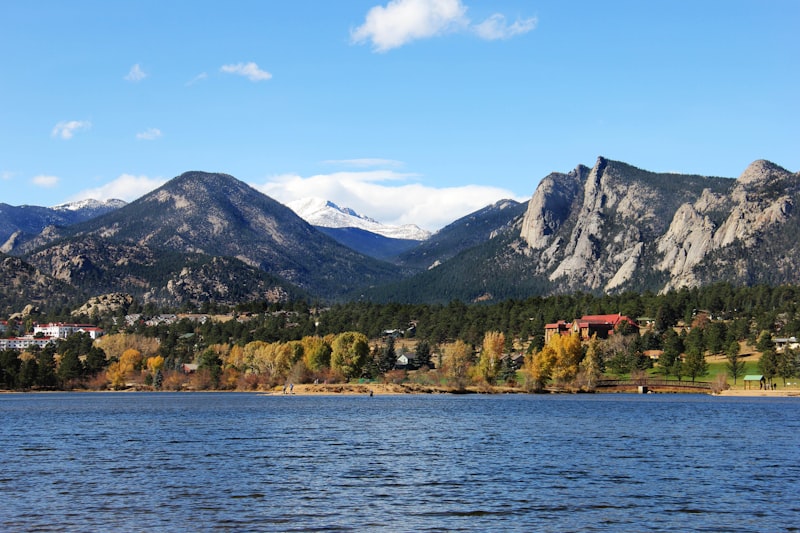 Estes Park Beyond the Park: Things to Do Outside RMNPAugust 29, 2026
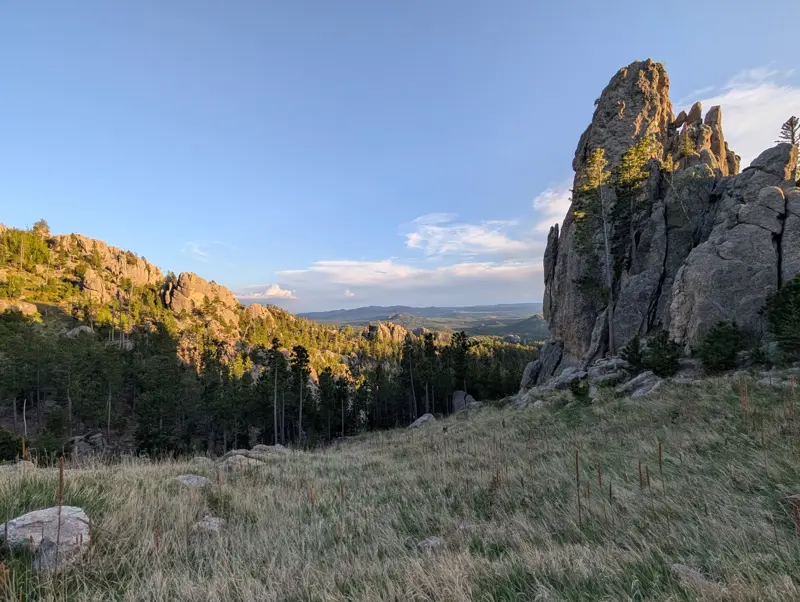 Black Hills, South Dakota: The Complete Visitor's GuideAugust 26, 2026
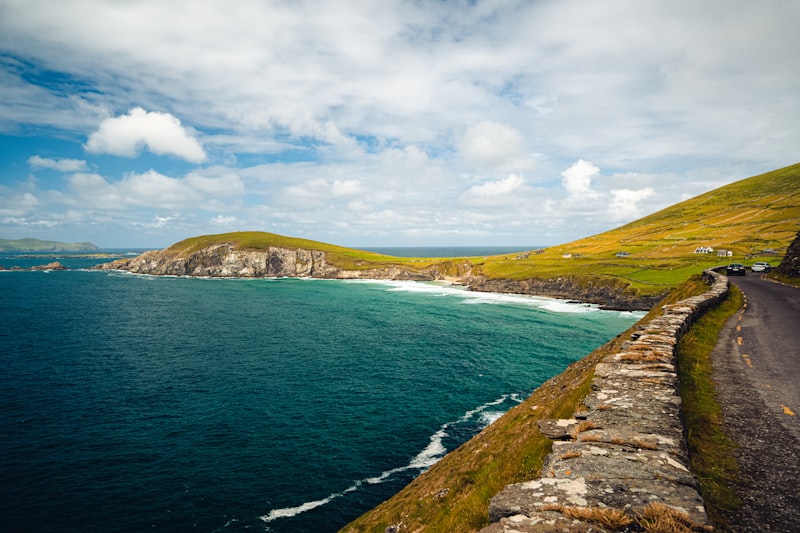 Hiking the Dingle Way: 8-Day Plan, Gear & What to ExpectAugust 24, 2026All posts - there's a whole lot more to explore →