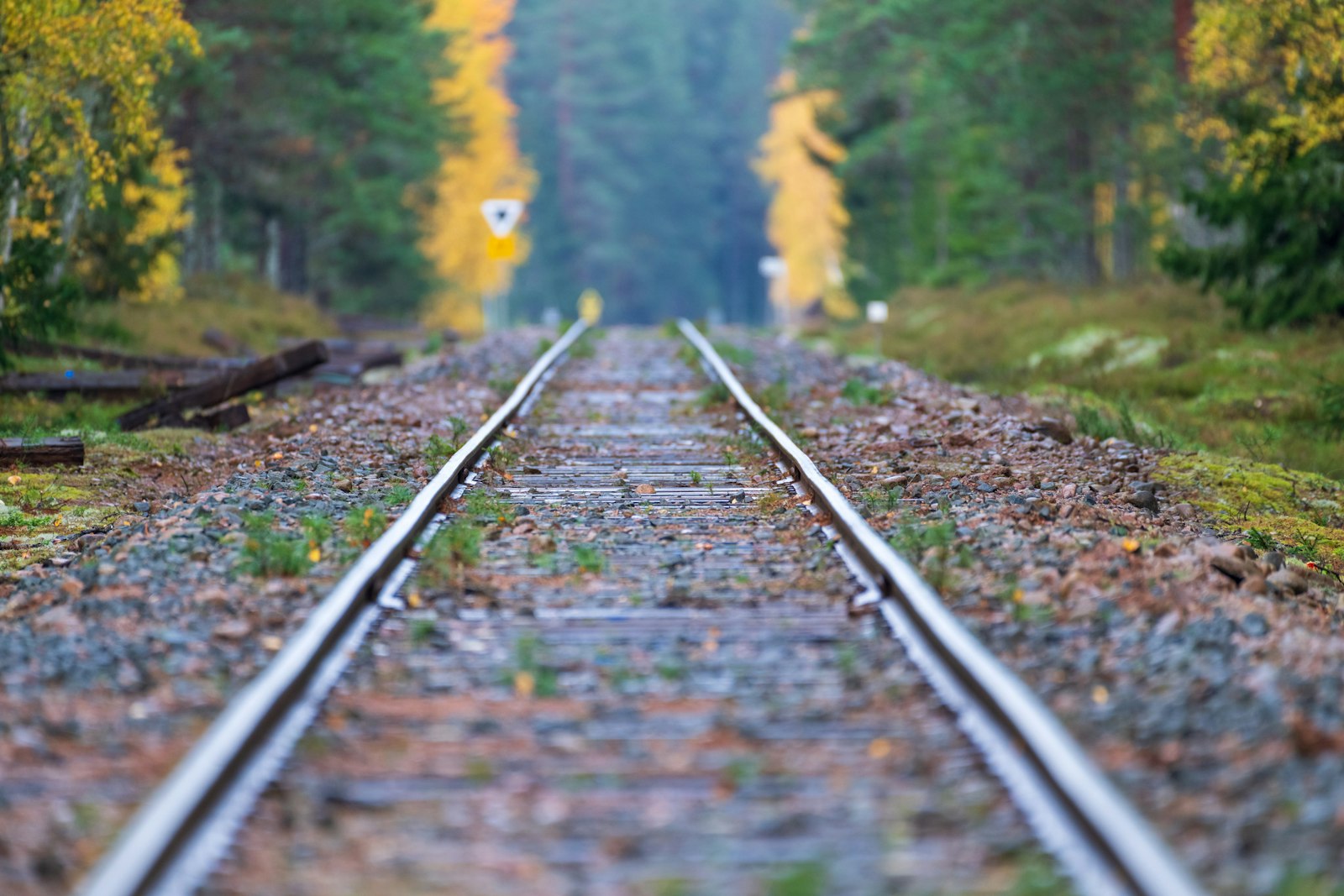
Rail Biking in the US: Every Place You Can Pedal the Tracks
🗺 View the 38 places in this post on a map
Rail biking is exactly what it sounds like: you sit on a pedal-powered cart with steel wheels, roll onto a stretch of railroad that trains no longer use, and pedal down the tracks. The bikes are two-seat tandems or four-seat quads, the wheels are flanged so there is no steering, and most operators now fit electric assist so the pedaling is optional rather than mandatory. Tours are guided, run in a convoy, and cover four to 14 miles in about two hours at a leisurely 8 to 10 mph. Kids as young as two ride as passengers, and several outfits let you bring the dog.
What makes it worth planning a trip around is where the rails go. Railroads were built through the easiest grades in the landscape, which means the tracks follow rivers, thread through tunnels and rock cuts, and cross trestles that no road or hiking trail reaches. The first commercial tours launched in the Adirondacks in 2015; a decade later there are roughly 35 places to do it across about 20 states. Here is what to expect, and then every one of them. If you plan to collect them, our US rail biking map lets you tick off each route as you ride it and keeps a want-to-ride list for the rest.
What a tour is like. You check in at a depot, get a short safety briefing, and are assigned a bike. Guides lead and sweep the group, spacing the bikes a few car lengths apart and calling stops at bridges and viewpoints. Braking is a hand lever; downhill you coast, uphill the motor does most of the work. Nearly every route is an out-and-back, so at the far end the crew either turns the bikes on a turntable or you swap seats and pedal home facing the other way. Expect to pay roughly $45 to $70 per seat, with pricing usually per bike rather than per person. Book ahead, especially for the popular sunset, lantern, and fall-foliage departures, which sell out weeks out in October. Weight limits and minimum rider counts vary, so read the fine print before you drive three hours.
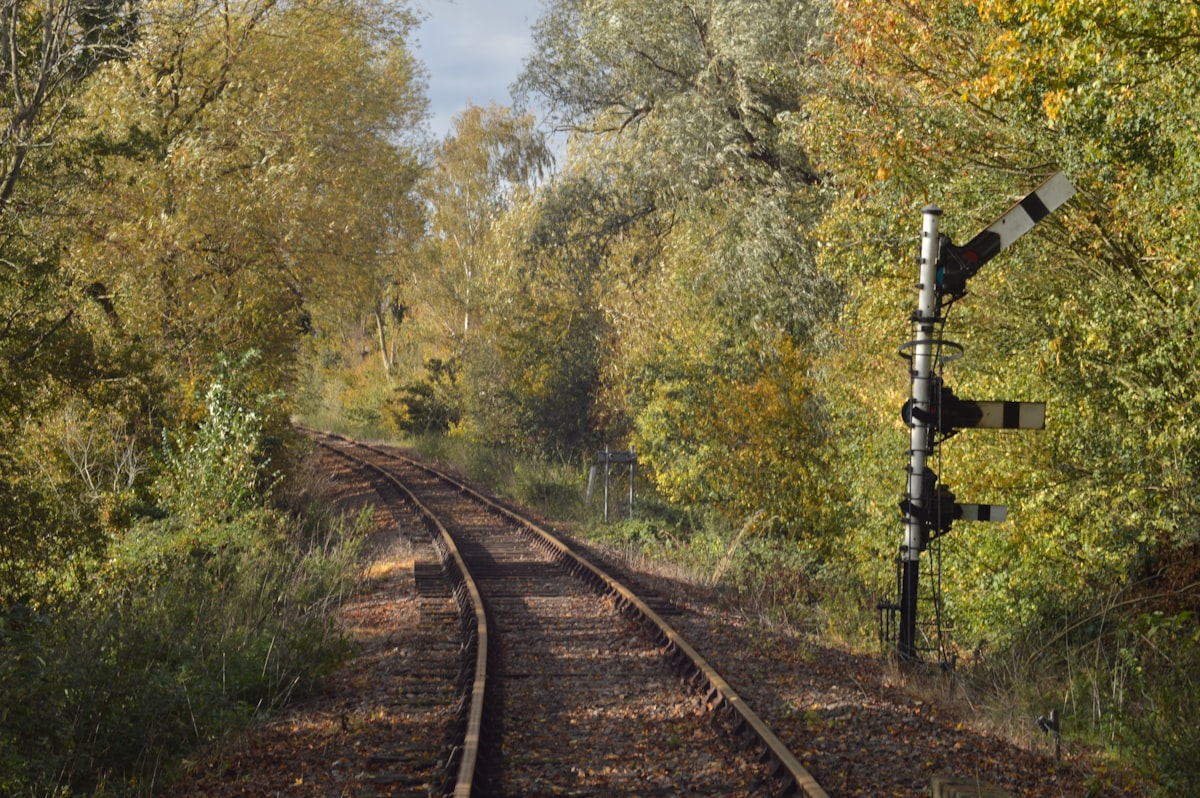
The Northeast has the most options. In New York, Rail Explorers' Catskills Division departs from Phoenicia on the old Ulster & Delaware line, with an 8-mile River Run beside Esopus Creek and a shorter 4-mile Mt. Tremper Express for small kids. Fuel up first at the Phoenicia Diner on Route 28, a 1962 diner reborn as one of the Catskills' best breakfasts. In the Adirondacks, Revolution Rail Co. runs from North Creek and Thurman stations near Lake George, crossing the Hudson River on a trestle; the company also opened a Cattaraugus station south of Buffalo. Adirondack Railbike Adventures offers 6-mile rides from Thendara near Old Forge and from Tupper Lake on the Adirondack Railroad.
South of New York, Revolution Rail's Cape May run rolls through salt marsh at the tip of New Jersey. Rail Explorers Rhode Island follows the 1864 Old Colony Railroad along Narragansett Bay from Portsmouth, with a brunch tour and a waterfront picnic stop. In Connecticut, the Essex Steam Train's railbikes cover 8 miles along the Connecticut River between Essex and Old Saybrook. New Hampshire has two: Scenic RailRiders on a 6.2-mile stretch beside the Merrimack River in Concord, and Granite State Scenic's Laconia rail bikes, a 5-mile run along Lake Winnisquam on an 1848 line. In Maine, Revolution Rail operates from Belfast on the coast and from Dedham near Green Lake outside Bangor.
Pennsylvania and Maryland. Pennsylvania Rail Bike in Hawley pedals 10 miles beside the Lackawaxen River in the Poconos, prime bald-eagle country in winter. Outside Philadelphia, Secret Valley Excursions in Pottstown rides the Colebrookdale Railroad's rock cuts along Manatawny Creek, with a choice of pedal or electric bikes. Near York, American Rail Bike Adventures in Seven Valleys is the one to pick if you want a tunnel: the route on the Northern Central Railway passes through the 1838 Howard Tunnel, the oldest railroad tunnel still in use in the country. Just over the Maryland line, Tracks & Yaks departs the Frostburg depot on Western Maryland Scenic Railroad track, paralleling the Great Allegheny Passage bike trail for 10 miles of ridgeline views.
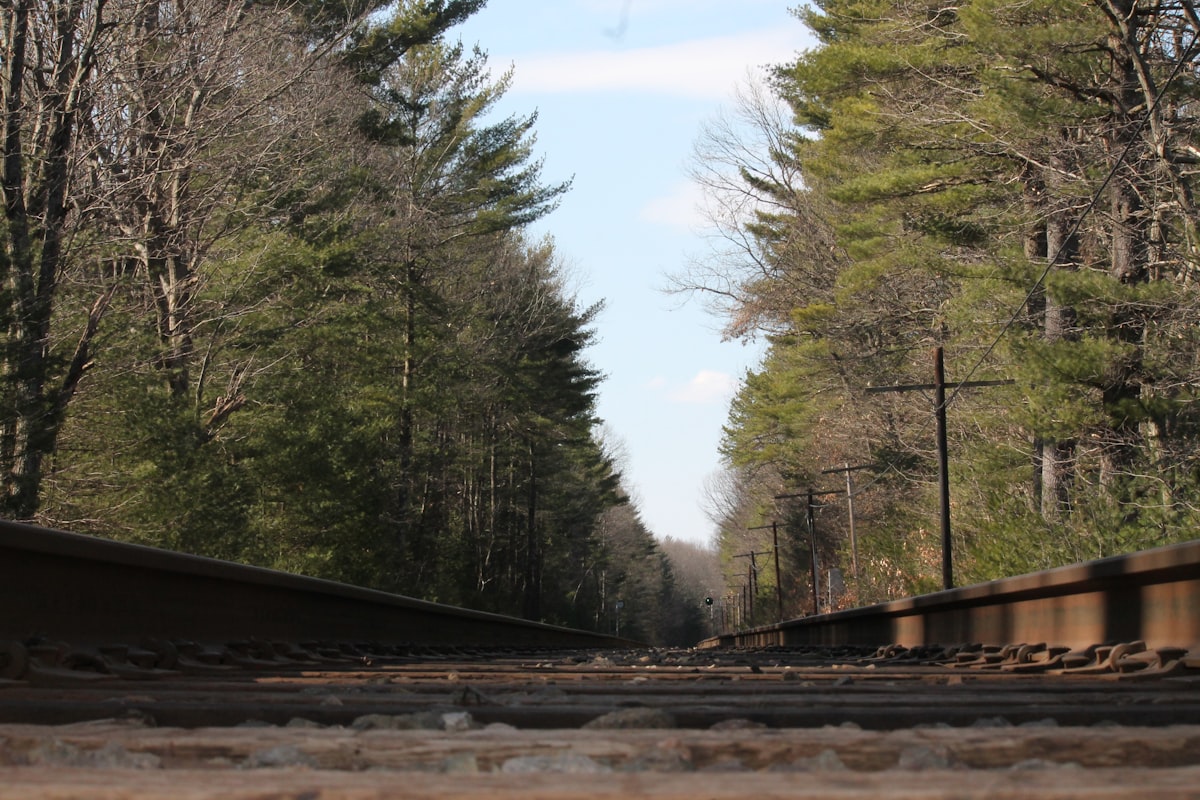
Appalachia and the South. The wildest ride in the East is Rail Explorers' Elk River Division in Clay County, West Virginia: 12 miles up the 1904 Buffalo Creek & Gauley Railroad past a wrecked rail car, rock cliffs, and the Devil's Sawmill waterfall. In Kentucky, the Bluegrass Division near Versailles rolls 10 miles past thoroughbred farms and limestone cuts to a turnaround overlooking Young's High Bridge, a 283-foot-tall 1889 span over the Kentucky River. Pair it with a tasting at the Wild Turkey Distillery across the river in Lawrenceburg, whose visitor center sits on the bluff you just looked at. In the Georgia mountains, the Blue Ridge Scenic Railway's rail bikes leave the 1905 depot in downtown Blue Ridge for an 11-mile loop past vineyards and creeks. Across the state line, Andrews Valley Rail Tours in Andrews, North Carolina, crosses nine trestles and passes through a hand-carved 1890s tunnel on a 9-mile ride.
The Midwest. Iowa has the most dramatic bridge on any railbike route: Rail Explorers' Boone Division crosses the Bass Point Creek High Trestle, 156 feet above the valley floor, on a 12.5-mile trip over Boone & Scenic Valley track. In Indiana, the Nickel Plate Express runs railbikes from Hobbs Station in Noblesville through Forest Park and over the White River, with a 7-mile twilight ride and holiday-lights departures in December. Michigan's only operator, Wheels on Rails, uses three miles of idle track south of Traverse City for a 6-mile round trip through creek valleys and hardwoods from the village of Grawn.
Colorado. Revolution Rail's South Fork station in the San Juan Mountains is the highest-elevation rail biking in the country, tracing the upper Rio Grande through the Coller State Wildlife Area on an 1882 Denver & Rio Grande branch. The Rails to Rio package pairs the ride with a raft float back down the river, and the depot is a short drive from Wolf Creek Pass and Great Sand Dunes. On the Front Range, Colorado Railbike Adventures in Erie, between Denver and Boulder, uses four-seat human-powered cars on the 150-year-old Denver, Boulder Valley line with the Continental Divide as a backdrop.
Photos from the Front Range
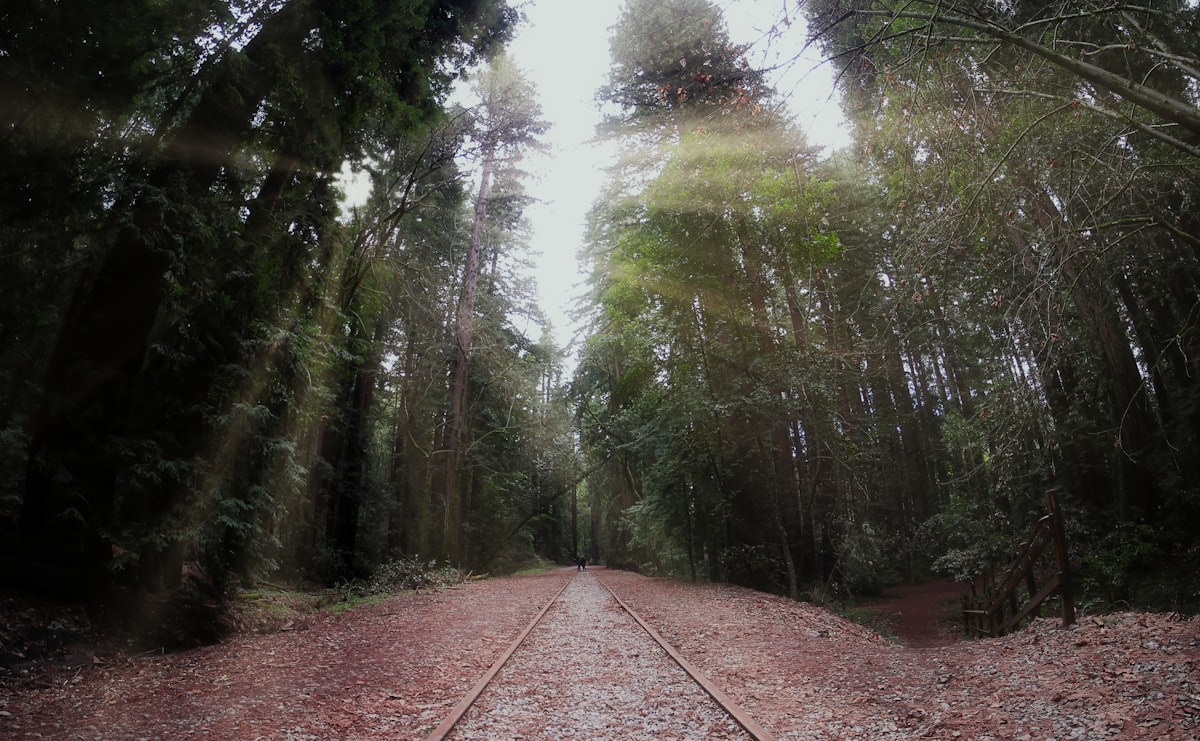
California. The state's signature ride is the Skunk Train's railbikes out of Fort Bragg: a 7-mile Pudding Creek trip past the estuary and into second-growth redwoods, or the 25-mile Railbikes on the Noyo for a full day in the canyon. The one locals rave about is the moonlight run to the Glen Blair Bar, a speakeasy at the end of the line reachable only by rail. In Gold Country, Rail Explorers' Amador Division near Ione climbs 8 miles on the Amador Central Railroad above the 1863 Newton Copper Mine to views of the Coast Range. Near Sacramento, the River Fox Train offers a short electric-assist ride along the Sacramento River, and in Ventura County the Sunburst Railbikes leave the Santa Paula depot for two hours through citrus and avocado groves with a farm stop.
Oregon and Washington. Joseph Branch Railriders in the far northeast corner of Oregon may be the most scenic of them all, with the Wallowa Mountains filling the windshield on rides from Joseph and pedal-powered canyon runs along the Wallowa River from Minam. Mount Hood Railroad runs tandem railbikes from Hood River through orchards with Mount Hood dead ahead. Santiam Excursions in Sweet Home offers a 6-mile motor-assisted trip in the Cascade foothills, and Twins Ranch Rail Riders in Bay City pedals flat pasture and 1890s bridges beside Tillamook Bay on four-seat, unassisted bikes. Note that the Coquille operation on the south coast, Joy Rails, is on hiatus for 2026 and hopes to reopen in 2027. In Washington, Vance Creek Railriders near Shelton on the Olympic Peninsula covers 13 miles of mossy Simpson Logging Company rail through fir and maple forest.
Planning the trip. Most operators run May through October, with a few Sun Belt and California routes open year-round. Wear layers and closed-toe shoes, bring water and sunscreen since there is no shade on a trestle, and arrive 30 minutes early because departures leave on time. If you are choosing one: pick West Virginia or Kentucky for scenery per dollar, Iowa for the bridge, Fort Bragg for the redwoods, and Oregon's Joseph Branch for the mountains. Then log it on the rail biking map and start on the other 35.