Hidden London: Climb St Paul's Dome & Ride a Narrowboat
🗺 View the 11 places in this post on a map
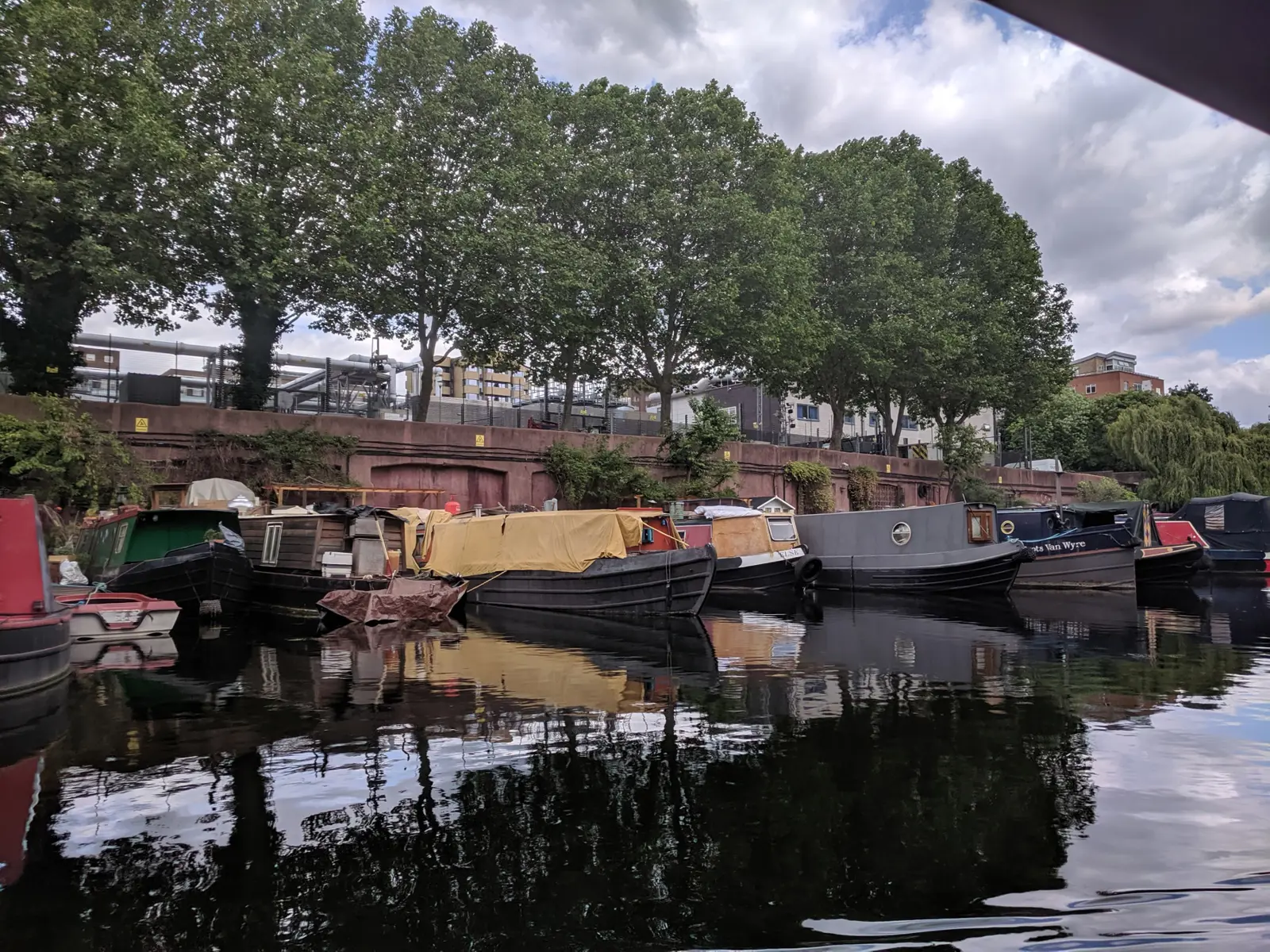
Most first London itineraries are interchangeable: the Eye, the Tower, a Changing of the Guard viewed through a forest of phones. All fine — but the days you'll actually talk about later tend to happen one step sideways from the checklist. London has been layering itself for two thousand years, and it hides a working Victorian music hall, a secret railway, and nine miles of canal in plain sight. Here are the lesser-known activities we'd rank ahead of half the big-ticket sights, most of them cheaper than a West End program, and two of them starring in the photos below from our own trip.
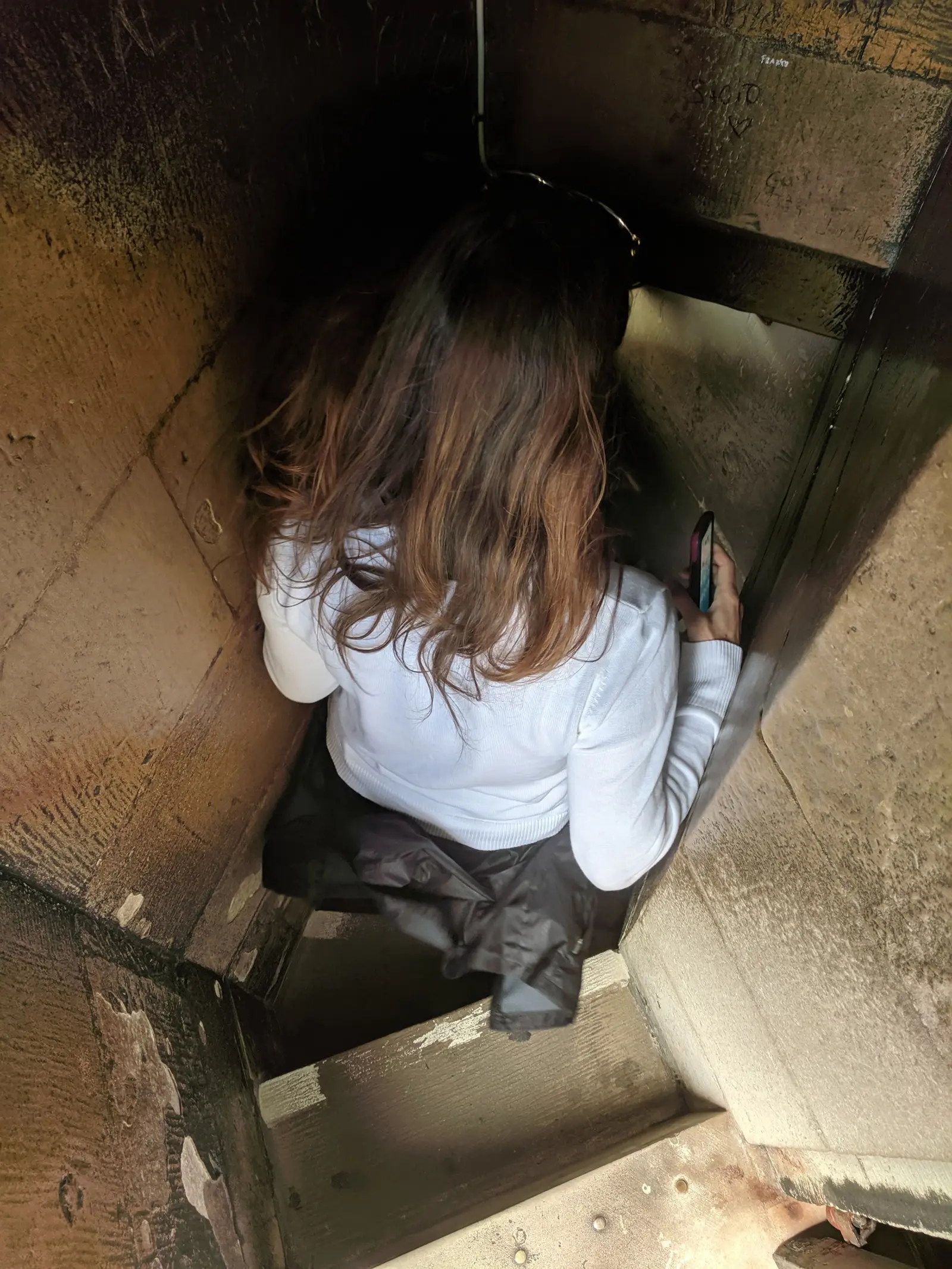
Climb to the very top of St Paul's Cathedral. Everyone walks through St Paul's; surprisingly few realize the ticket includes climbing its dome. The ascent comes in three stages: 257 steps to the Whispering Gallery, ringing the inside of the dome above the cathedral floor; 376 to the outdoor Stone Gallery; and finally 528 steps to the Golden Gallery, a narrow balcony wrapped around the lantern at the very top, 279 feet above the churchyard. The character of the climb changes as you go — broad and stately at first, then a corkscrew of stone, and for the last stretch you're squeezing up tight spiral stairs and iron walkways threaded between the dome's inner and outer shells, close enough to read two centuries of pencil graffiti on the brick.
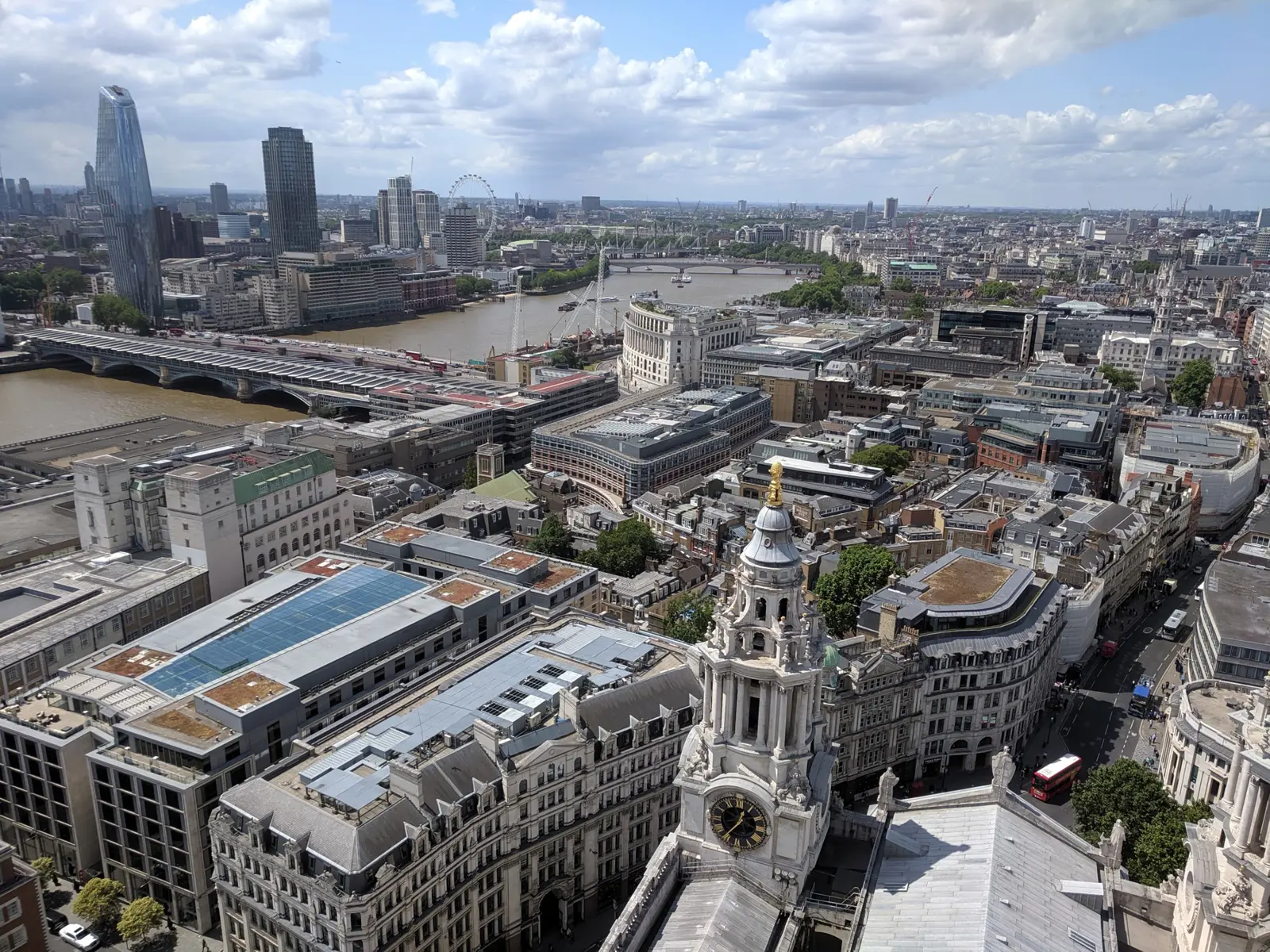
The payoff is the finest close-range view in London: the Thames curling past Blackfriars Bridge, the London Eye and the South Bank across the water, and the cathedral's own baroque towers directly below you — a perspective on Wren's masterpiece that no street or rooftop bar can give you. Book the first timed slot of the morning online and you can have the Golden Gallery nearly to yourself. New for 2026, the cathedral also runs Dome Sundays from mid-April to mid-September — the first time the galleries have ever opened on Sunday afternoons. Skip it if you're claustrophobic or shaky on stairs; the Stone Gallery is a fine consolation with far more elbow room.
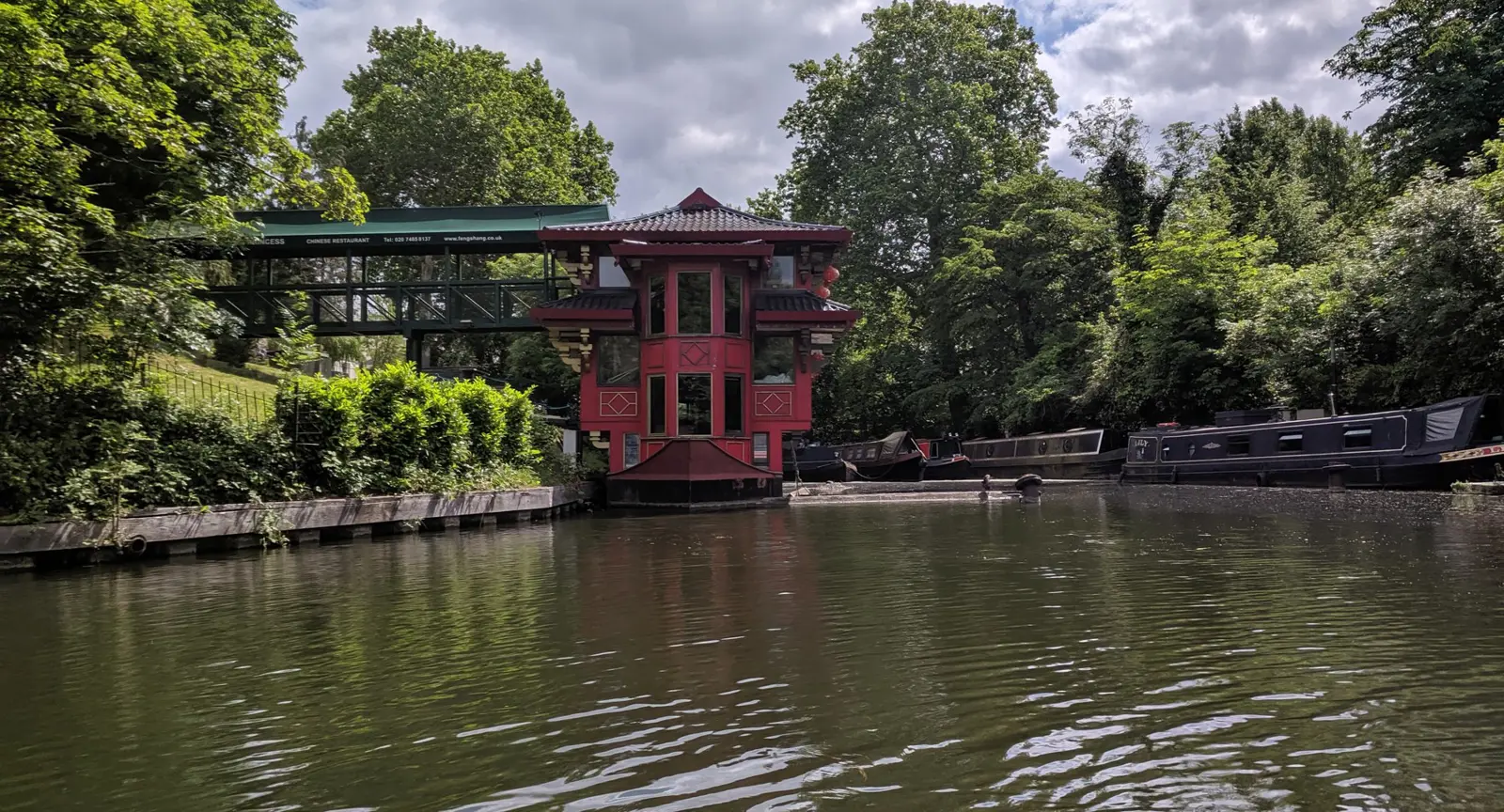
Ride a narrowboat on the Regent's Canal. London's canals were its Victorian freight highways, and the prettiest stretch — Little Venice to Camden — is still worked daily by the London Waterbus Company, whose historic narrowboats make the 45-minute trip with live commentary. You cast off from Browning's Pool at Little Venice, slip through the 272-yard Maida Hill Tunnel, then glide along the back edge of Regent's Park, past the aviary and warthogs of London Zoo, before the canal bends at Cumberland Basin — where a three-story scarlet pagoda floats improbably at its moorings. That's the Feng Shang Princess, a floating Chinese restaurant that has been a canal landmark since the 1980s and is every bit as surreal in person as it sounds. Minutes later you're stepping off into the crush of Camden Lock Market.
Prefer to be your own captain? GoBoat at Merchant Square in Paddington rents easy-to-drive electric picnic boats by the hour — no license needed, up to eight people around a built-in table, and the same waterway to explore at your own pace. Before or after either trip, skip the chain cafés of Paddington and have breakfast at the Waterside Cafe, a little canalside spot right on Browning's Pool where liveaboard narrowboats tie up a few feet from your mug of tea. If the weather holds, walk the towpath back from Camden instead of taking the Tube — it's about an hour of houseboats, herons, and millionaire back gardens.
Ride the Mail Rail under the streets of Clerkenwell. For 76 years, a driverless electric railway — the world's first — shuttled London's letters through tiny tunnels 70 feet beneath the city, unseen by everyone above. It closed in 2003, and the Postal Museum on Phoenix Place now runs visitors through the original tunnels under the old Mount Pleasant sorting office in miniature trains. The 15-minute ride, ducking through century-old tube sections with projection shows in the abandoned station platforms, is one of the most atmospheric things you can do in the city. Timed slots sell out on weekends, so book ahead — and your ticket covers museum re-entry for a full year.
See a show at Wilton's Music Hall. Down Graces Alley, an easy-to-miss lane between Wapping and Whitechapel, stands the oldest surviving grand music hall in the world — built in 1859 behind a row of Georgian houses and never prettified. The barley-twist columns are original, the plaster is artfully crumbling, and the program runs from opera and theater to cabaret and swing nights. Check the listings for your dates, book anything that appeals, and arrive early for a drink in the Mahogany Bar at the front — a candlelit room that feels smuggled out of Dickens. Tickets often cost less than a London round of drinks.
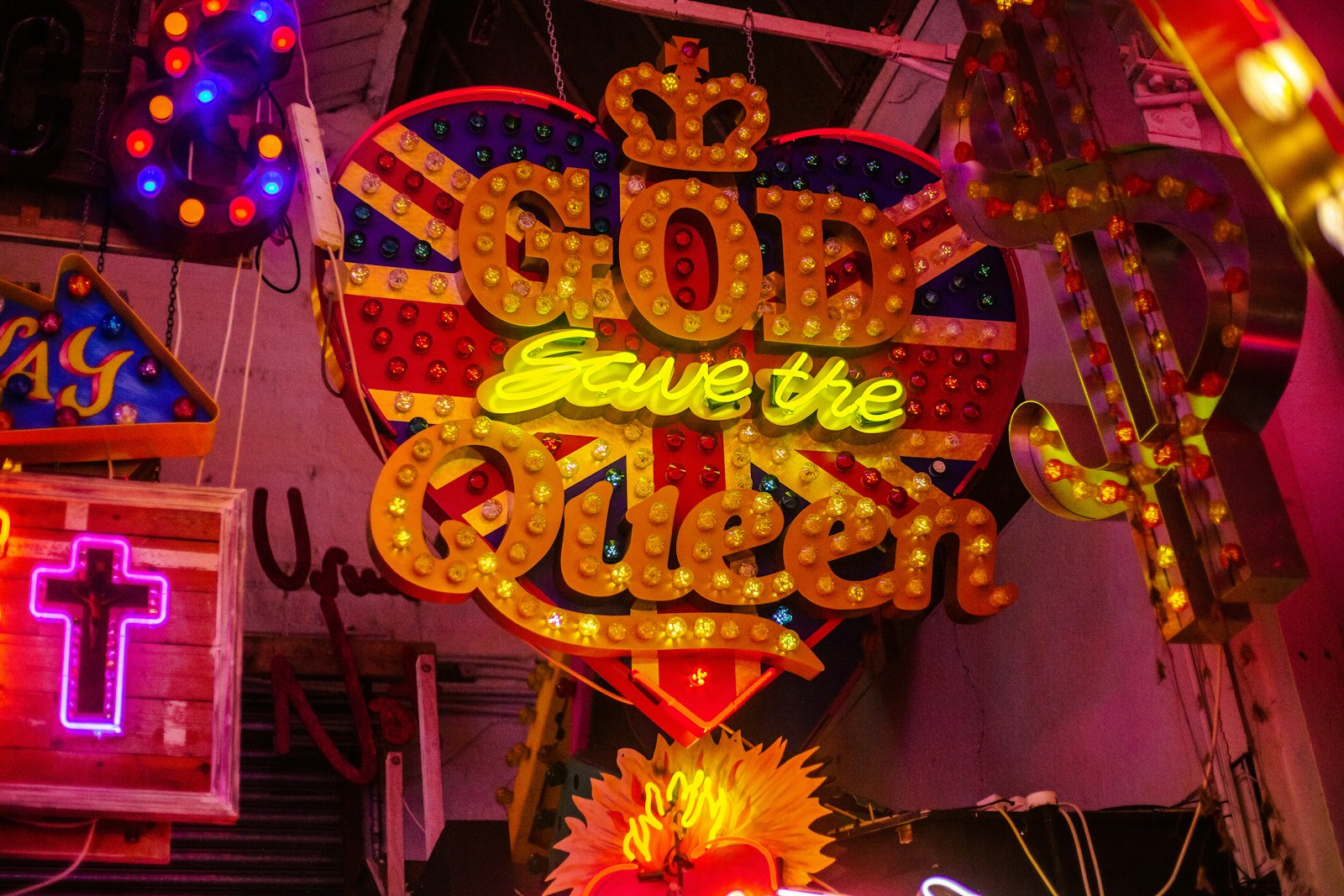
Two more that locals keep to themselves. Sir John Soane's Museum on Lincoln's Inn Fields is the eccentric house of Georgian England's greatest architect, left exactly as he arranged it: a 3,000-year-old Egyptian sarcophagus in the basement, Hogarth's A Rake's Progress hung on unfolding walls, and mirrors and skylights everywhere. It's free — reserve a timed slot online. And on weekends, ride the Victoria line out to Walthamstow for God's Own Junkyard, a warehouse crammed floor-to-ceiling with one of the world's largest collections of vintage and hand-made neon — movie props, Soho signs, and a café glowing pink in the middle of it all. Also free, open Friday through Sunday, and unlike anywhere else in Britain.
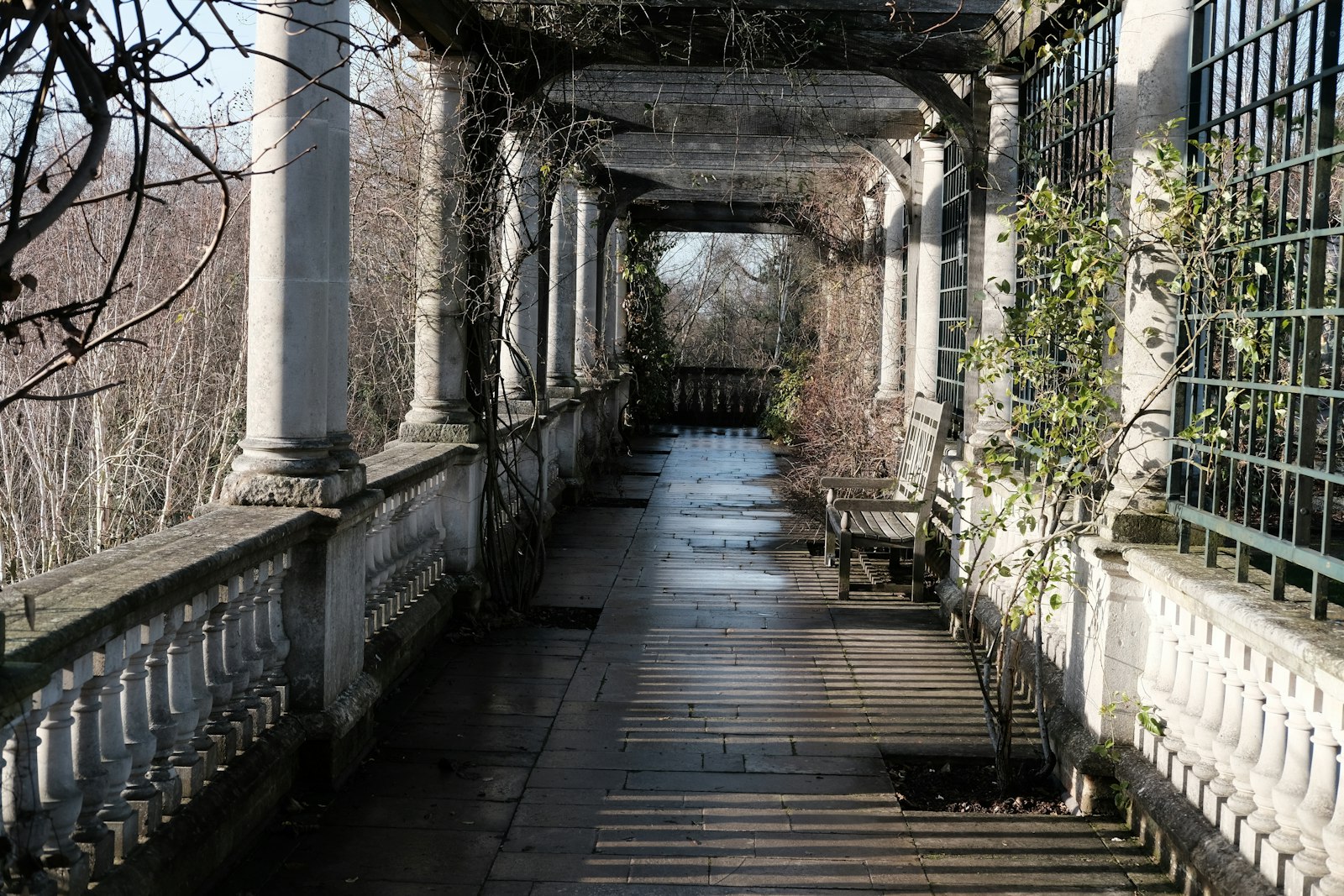
Making it work. These pair up neatly by geography: St Paul's, Sir John Soane's, and an evening at Wilton's make one City-and-east day; the Mail Rail slots perfectly between Little Venice and Camden on a canal day; Walthamstow suits a relaxed weekend morning. If you have a golden-hour gap in northwest London, finish at the Hampstead Pergola in the Hill Garden — a decaying Edwardian colonnade above West Heath that locals treat as their private terrace, free and rarely crowded. May through September gives you the best canal weather and the St Paul's Dome Sundays window, but every activity here except the boats is just as good in the rain — half of them are underground, indoors, or lit by neon anyway.