Florida Keys Guide: Key West and the Islands In Between
🗺 View the 17 places in this post on a map
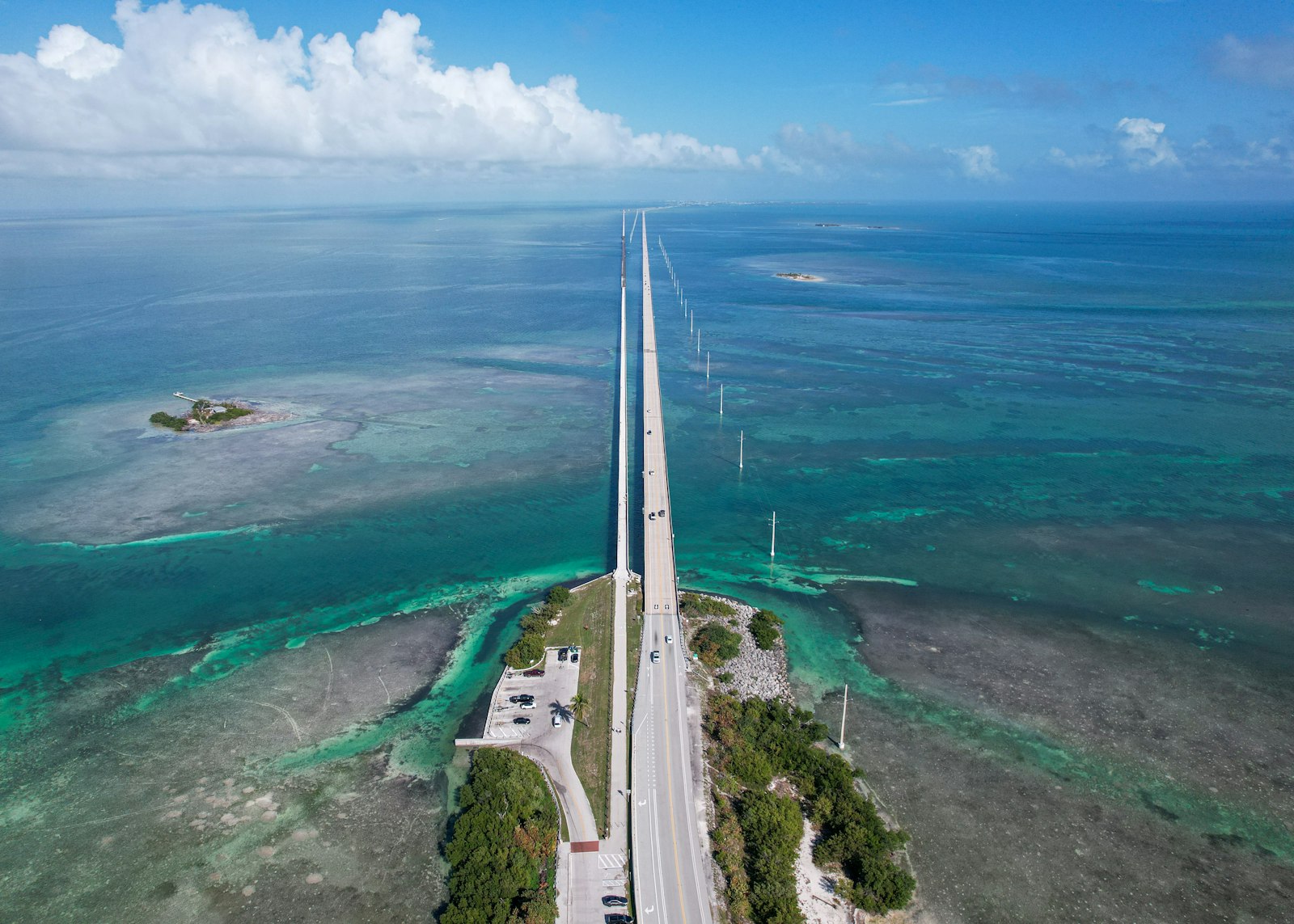
The Florida Keys are a 113-mile string of islands hanging off the bottom of Florida, stitched together by the Overseas Highway and its 42 bridges. Addresses down here are mile markers: the road starts around MM 106 in Key Largo and counts down to the famous MM 0 sign in Key West, with the Atlantic on your left and the Gulf of Mexico on your right the whole way. Offshore runs the reason the water glows that impossible green — the only living coral barrier reef in the continental United States, protected end to end by the Florida Keys National Marine Sanctuary. Key West gets the postcards, and it earns them, but treating the other keys as a blur out the car window is the classic first-timer mistake. Each cluster of islands has its own personality, and the drive itself is half the trip.
The Upper Keys are about the water, not the land. In Key Largo, John Pennekamp Coral Reef State Park was the first undersea park in the country, and its snorkel boats run a few miles out to reefs where you'll float over brain coral, sergeant majors, and — on the famous Christ of the Abyss trip — a bronze statue standing in 25 feet of blue; glass-bottom boat tours cover the same reef without getting your hair wet. Islamorada, the next town down, calls itself the sportfishing capital of the world, and the charter fleet backs it up. Two stops here beat any souvenir shop: the History of Diving Museum at MM 83, a delightfully obsessive collection of centuries of dive helmets and homemade breathing rigs, and Robbie's of Islamorada at MM 77.5, where a few dollars buys a bucket of baitfish and the chance to hand-feed the school of six-foot tarpon that prowls the dock while pelicans plot larceny at your elbow.
Marathon, the hub of the Middle Keys, is worth more than a gas stop. The Turtle Hospital — a working sea-turtle rehab built into an old motel — runs daily tours where you'll meet patients recovering from boat strikes and the permanent residents too injured to release; book a day or two ahead, because tours cap small. For lunch, locals drive past every waterfront tourist grill to Keys Fisheries, a commercial fish house on the gulf side where you order the legendary lobster reuben at a walk-up window under a celebrity alias — they'll call out "Elvis!" when it's ready. Just south of town, the Overseas Highway makes its most dramatic move: the Seven Mile Bridge. Beside the modern span, the original 1912 railroad bridge — the restored 2.2-mile stretch reopened to walkers and cyclists — leads out to Pigeon Key, the five-acre island where hundreds of Henry Flagler's bridge workers lived while building the impossible railroad that became this road.
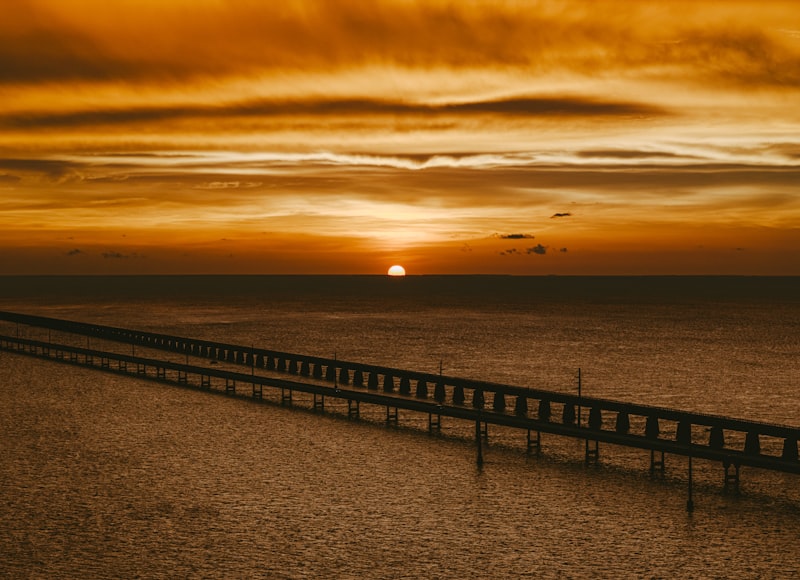
The Lower Keys are the quiet stretch, and that's the point. Bahia Honda State Park has the beaches the rest of the Keys mostly lack — Calusa on the gulf side and Sandspur on the Atlantic, both shallow, sandy, and backed by the photogenic broken span of the old rail bridge; snorkel rentals are cheap, and the campground books out months ahead for good reason. On Big Pine Key, turn off at Key Deer Boulevard into the National Key Deer Refuge, home of the Key deer — a knee-high subspecies of white-tailed deer that lives nowhere else on Earth. Walk the short trail to the Blue Hole, an old railroad quarry turned freshwater pond with resident alligators and turtles, and drive slowly at dawn and dusk, when the deer wander onto the road like they own it (they do). Then make the one coffee stop that matters: Baby's Coffee at MM 15, roasting on-site since 1991 and pulling the best espresso between Miami and the end of the road.
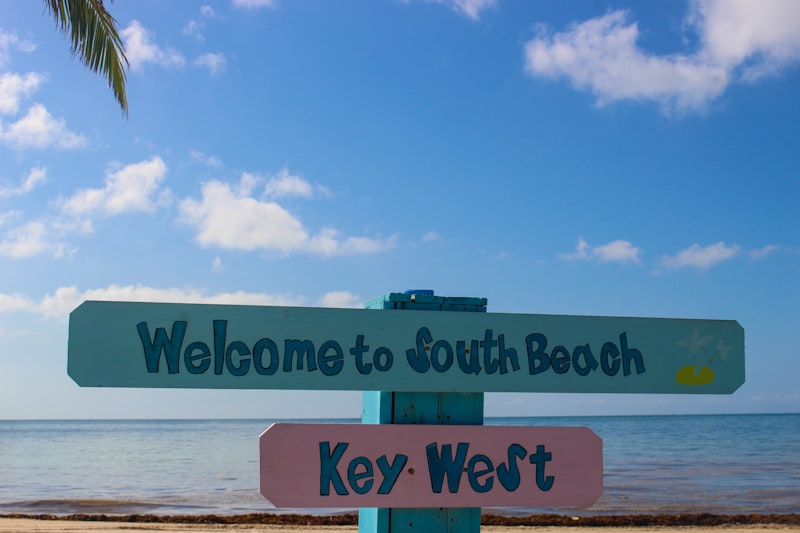
Then the road runs out, and you're in Key West — closer to Havana than to Miami, and it feels that way. Old Town is the draw: blocks of gingerbread Victorian houses, roosters in the streets, and Duval Street running ocean to gulf through the middle of the party. Do the rituals once. Join the crowd at Mallory Square for the Sunset Celebration, the nightly street festival of jugglers, tightrope walkers, and trained house cats that starts two hours before the sun goes down. Tour the Hemingway Home at 907 Whitehead Street, where the writer's six-toed cats — around sixty of them, many descended from his ship-captain's gift cat Snow White — nap on the furniture he wrote beside. Climb the 88 steps of the Key West Lighthouse across the street for the best view of the island, and walk through the Truman Little White House, the surprisingly modest naval-station house where Harry Truman spent 175 days of his presidency and Florida keeps its only presidential museum.
To spend a day like a local, skip the busy strip of Smathers Beach and pay the few dollars into Fort Zachary Taylor Historic State Park — "Fort Zach" to everyone in town — where a Civil War fort guards the deepest, clearest swimming beach on the island, Australian pines throw actual shade, and the point catches the sunset without a single sword-swallower. Lunch belongs to El Siboney, a family-run Cuban dining room on a residential corner of Catherine Street that has been turning out roast pork, ropa vieja, and café con leche since 1984 with zero interest in being trendy. And for the quietest hour in Key West, find the Key West Garden Club inside West Martello Tower at Higgs Beach — a donation-entry tropical garden growing through the brick casemates of another Civil War fort, orchids blooming in old gun rooms fifty yards from the Atlantic.
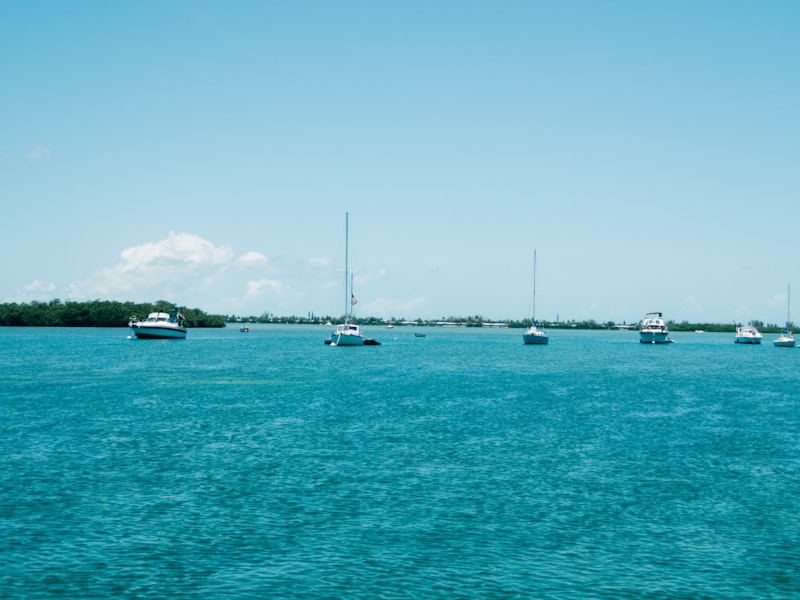
Save one full day for the trip beyond the end of the road. Seventy miles west of Key West, Dry Tortugas National Park is one of the least visited national parks in the country because you can only reach it by boat or seaplane — and one of the most memorable for the same reason. Fort Jefferson, the largest brick structure in the Americas at sixteen million bricks, rises straight out of water so clear you can snorkel the moat wall and the pilings right off the beach. The Yankee Freedom ferry makes the run daily from the Key West historic seaport with breakfast, lunch, and snorkel gear included, giving you about four and a half hours on Garden Key; it sells out weeks ahead in season, so book it before you book anything else.
The practical math: December through April is the dry season — reliable sun, water in the 70s, and peak prices to match. May and November are the sweet spots, with summer weather and thinner crowds. Hurricane season runs June through November and peaks August to October; trips then are cheaper and usually fine, but buy refundable rooms and watch the forecast. Give the drive five days if you can — a night in Key Largo or Islamorada for the reef, a night around Marathon or Bahia Honda, and three in Key West, which is best handled on foot or by bicycle once the car is parked. The Miami-to-Key West run takes about four hours nonstop, but nonstop is exactly the wrong way to do it. Count the mile markers down slowly; the Keys reward the traveler who treats the road as the destination.