Fishing in Flin Flon, Manitoba: Lake Trout, Walleye, Pike
🗺 View the 24 places in this post on a map
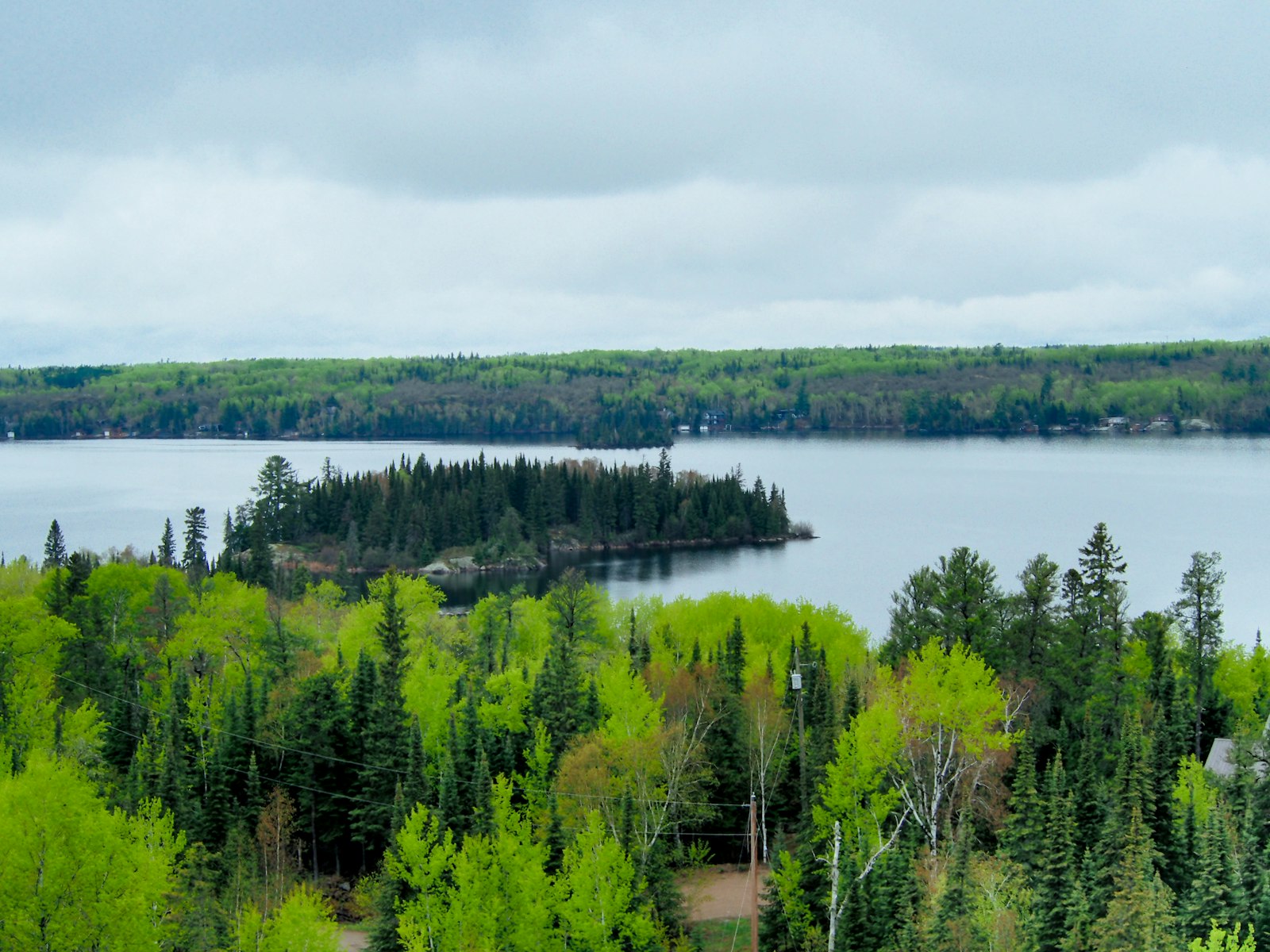
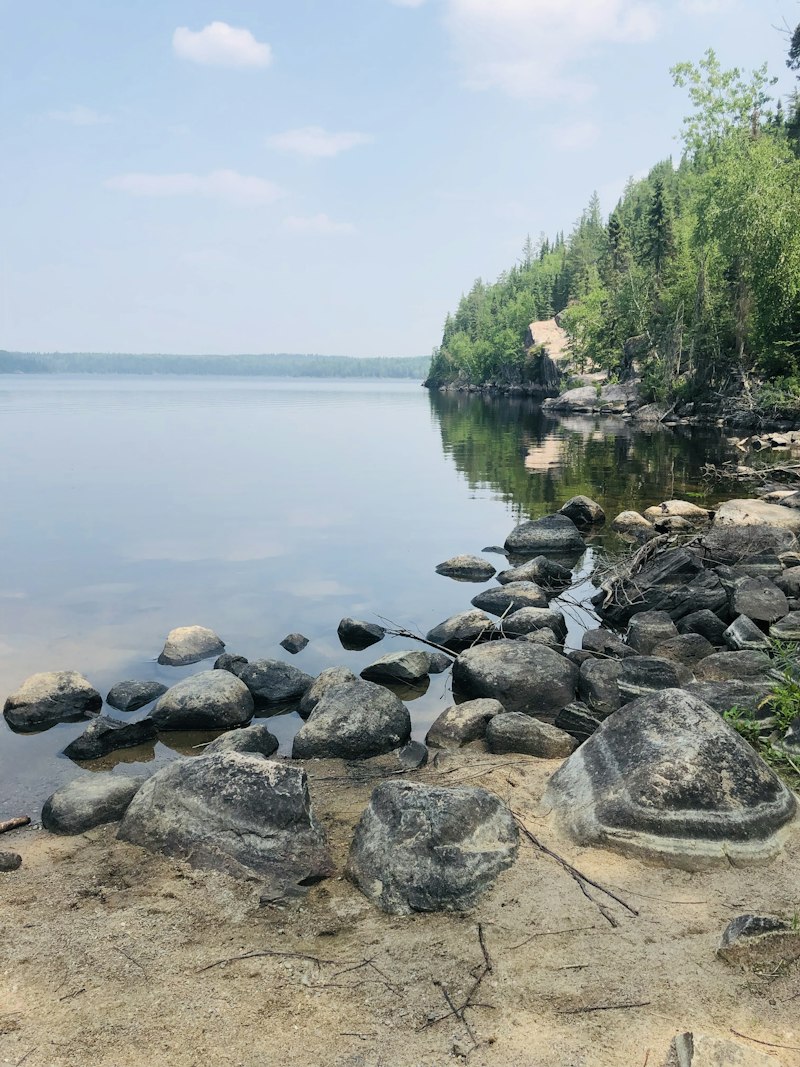
Flin Flon sits on bare Precambrian rock where Manitoba meets Saskatchewan, a copper town so uneven that its sewer lines run above ground in wooden boxes that double as sidewalks. The mine closed in 2022, but the reason anglers keep driving north never changed: Lake Athapapuskow, roughly 28,000 hectares of cold, clear, island-studded water starting ten minutes south of downtown. Athapap, as everyone calls it, produced the Manitoba record lake trout at 64 pounds and holds three world records, and a paved highway runs along its shore. Getting here is the commitment: about 740 kilometres from Winnipeg on Highway 10, a nine-hour day through Dauphin and The Pas, or six hours from Saskatoon. Calm Air flies from Winnipeg in about two hours to an airport half a mile from the biggest lodge on the lake, so a fly-and-fish weekend is realistic.
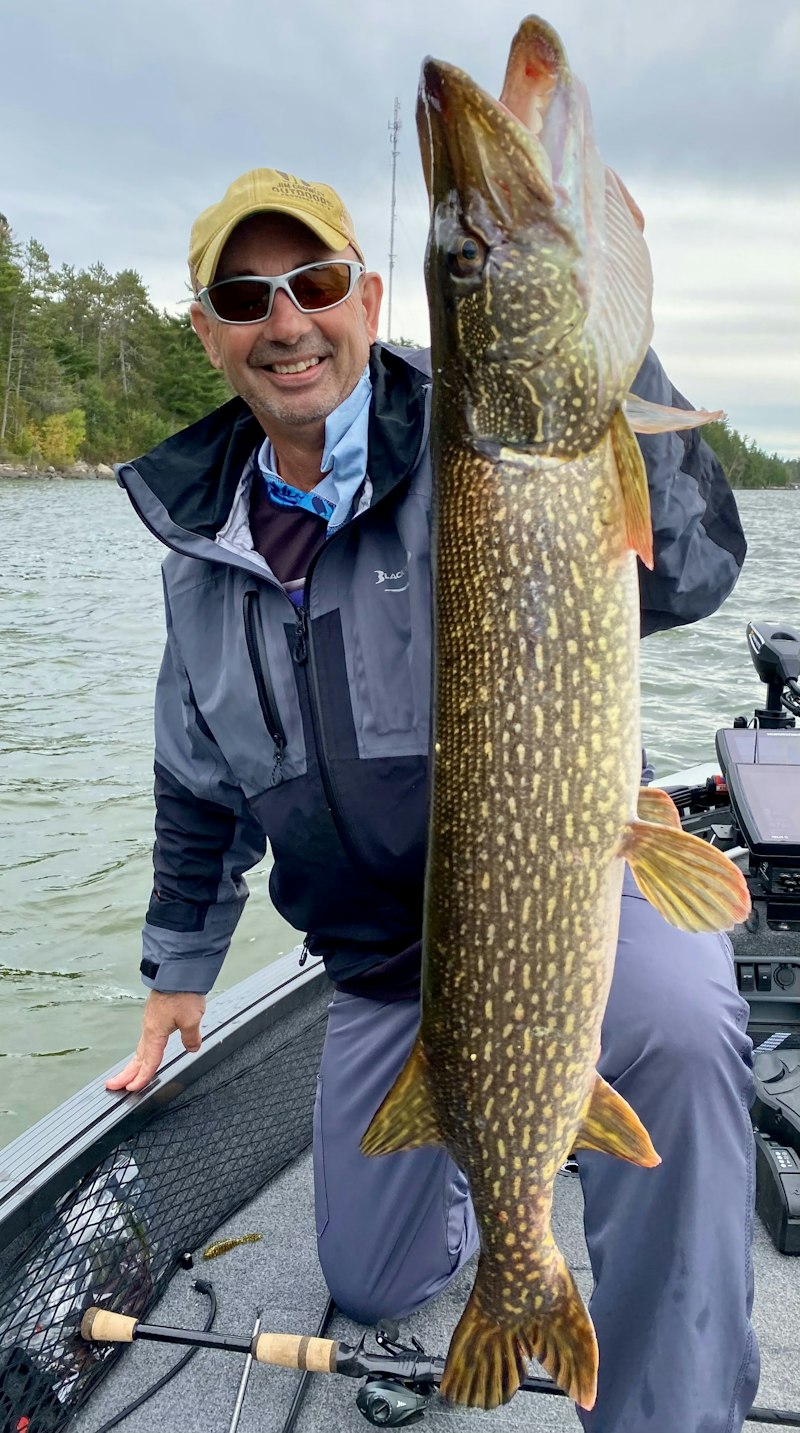
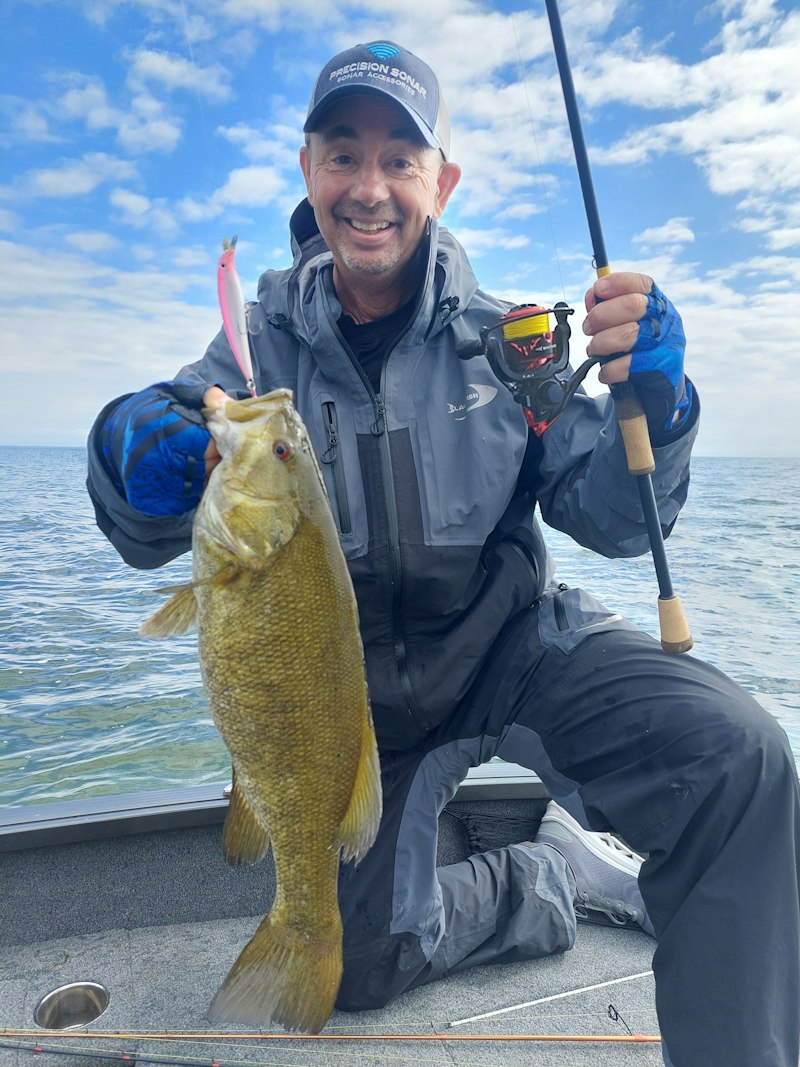
Lake Athapapuskow is a lake trout lake first. From ice-out in late May until mid-July the trout hold in 70 to 110 feet of water, and the local method is a heavy jig tipped with sucker belly, worked slowly on a day with a slight chop. In September the fish move shallow to spawn and turn aggressive, so the best trout fishing of the year comes after most tourists have gone home. Walleye, called pickerel here, run big rather than plentiful, with 28-inch fish common enough that the Master Angler minimum feels reachable; cloudy, choppy days from late May to late July are best. Northern pike patrol the cabbage beds at dawn and dusk and have been landed at 49 inches, and there is a genuine smallmouth bass population, unusual this far north. Bakers Narrows Lodge is the obvious base: family-run log cabins on the narrows between Little Athapapuskow and the North Arm, a chef in the main lodge, and guides who know which reef the trout are on this week. Campers get Bakers Narrows Provincial Park next door, with a boat launch, a sand beach, and a viewing tower whose panels explain the fur-trade route the narrows once carried. Sites open for booking in early April and the lakefront ones go fast.
The lakes locals fish when Athapap is blowing. Big Island Lake, off Highway 10 fifteen minutes south of town, is small enough to fish from a tin boat on a windy day and holds walleye, pike, and lake trout that occasionally top 40 pounds. Schist Lake, three kilometres southeast of downtown, is quick walleye and pike water with a caveat: its fish carry elevated selenium from old tailings and the province advises eating them no more than four times a month, so treat it as catch-and-release. Twenty minutes west across the Saskatchewan line, Denare Beach sits on Amisk Lake, 24 miles long with more than 700 islands and the most consistent walleye fishing in the region. T&D Amisk Camp on the south shore rents boats and cabins and runs a marina with fuel and a fillet house, and The Ridge on Amisk is a log lodge above the village. Between casts, follow the informal trails behind the village into the limestone crevices, chasms eroded from 450-million-year-old coral reef, and stop at the Northern Gateway Museum for Angelique Merasty's birchbark bitings, patterns made by folding bark and biting it. Phantom Lake, at the edge of Creighton, is where local families swim.
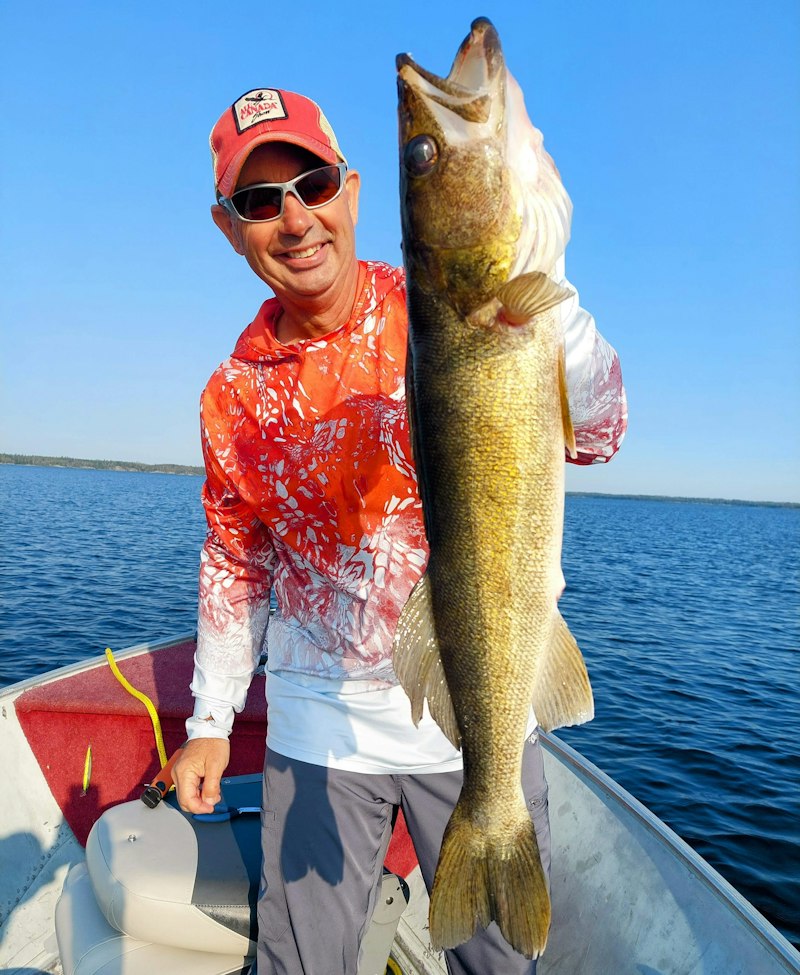
Cranberry Portage and the Grass River are the second half of the trip. Thirty minutes southeast of Flin Flon, the three Cranberry lakes are known as big-fish factories, with walleye averages that embarrass most southern lakes and lake trout and pike to match; Third Cranberry is where the Grass River begins. Viking Lodge on First Cranberry is the largest lodge in northwest Manitoba and the practical hub: cabins, RV sites, boat rentals, a tackle store, a restaurant, and ice fishing from the same cabins in February. Downstream, Grass River Provincial Park strings campgrounds along the river: Reed Lake for lake trout and pike, Iskwasum Lake for sheltered walleye water when the big lakes are rough, and the 3.2-kilometre Karst Springs Trail to springs bubbling out of limestone. In the village, the restored railway station houses the Cranberry Portage Heritage Museum.
If you want fish counts in the hundreds, fly in. Flin Flon is a float-plane town, and Kississing Lake Lodge runs its base from Channing, by the seaplane docks on the east side of town. Guests fly north to the main lodge on Kississing Lake, where the guided package includes a guide for every two anglers and a shore lunch, or to one of ten unguided outposts with a lake to themselves. Hundred-fish days of walleye and pike are normal. Bakers Narrows also runs fly-out outposts on Kamuchawie and Laurie lakes as an add-on to a drive-to stay, the cheapest taste of remote fishing.
Licences and rules visitors get wrong. Everyone 16 and over needs a Manitoba angling licence, sold online through Manitoba eLicensing rather than at the lodges, so buy it before you lose cell coverage; Hunt Fish Manitoba explains the resident, non-resident, and one-day options. Barbless hooks are mandatory province-wide, and pinching barbs down with pliers counts. Live baitfish are banned in the Northwest Division, which covers every lake here, so bring frozen or salted minnows and sucker belly. On Athapapuskow the regular limit is one lake trout with none over 65 centimetres, four walleye with none over 55, and four pike with none over 75; the south end closes to fishing from September 15 to October 15 for spawning trout, and Quarry Bay and Pickerel Bay close in May. Fish over the Master Angler marks, 35 inches for lake trout, 28 for walleye, and 41 for pike, are registered with a measured photo through the Master Angler program. Amisk Lake needs a separate Saskatchewan licence.
Town is worth a half day, and eat where the locals eat. Start at the Flin Flon Station Museum in the 1934 railway station at the city entrance, beside the Al Capp-designed statue of Josiah Flintabbatey Flonatin, the submarine-piloting prospector from a 1905 dime novel that gave the town its name. From the museum, Flinty's Boardwalk loops 4.2 kilometres around Ross Lake, and the NorVA Centre on Green Street shows rotating work by northern artists. The Orange Toad on Main Street is the living room of downtown, a coffee shop and used bookstore where fishing reports get traded over lattes. Aurora + Pine Bistro across the street is the surprise, a chef-led seasonal menu open Wednesday to Saturday that would hold its own in Winnipeg, so reserve. Mike's Ice N' Burger Hut at the foot of Ross Lake does burgers and hot apple turnover sundaes from a roadside shack, and the Kelsey Dining Room at the Victoria Inn does pan-fried pickerel with honey dill sauce if you did not catch your own. Ravens Hollow Eco Dome Resort rents adults-only geodesic domes on White Lake ten minutes south, next to the Big Island Drive-In, the northernmost drive-in theatre on the continent and running since 1957. Time a visit for the Flin Flon Trout Festival, with a photo-entry derby in walleye, pike, and trout categories, a fish fry, the Ross Lake regatta, and Canada Day fireworks.
When to go and how long to stay. Ice usually leaves Athapap in the third week of May, and the two weeks after are the best shot at a trophy laker in shallow water. June and July are peak for pike and walleye, with 18 hours of daylight. August is the quiet month for trout, best fished deep with a guide, and the warmest for swimming at Phantom Lake. September into early October is the sleeper: fall trout up shallow, empty campgrounds, yellow birch on the Shield, and northern lights on clear nights, with the south-end closure to plan around. Winter is real too, with Viking Lodge and Bakers Narrows both running ice-fishing trips. Give it four nights: two full days on Athapap, one at Denare Beach or the Cranberry lakes, and a morning in town before the long drive south. Five lets you add a fly-out day, and that is the day you will talk about.