The 5 Easiest Colorado 14ers for Your First Summit
🗺 View the 14 places in this post on a map
Colorado has 58 named peaks above 14,000 feet, and climbing one is the state's great rite of passage. Here's the secret that surprises first-timers: the easiest 'fourteeners' require no ropes, no scrambling, and no mountaineering skills at all — they're long, steep walks on well-built trails. What they do demand is respect for two things flatlanders underestimate: air with about 40 percent less oxygen than sea level, and afternoon lightning storms that build over the Rockies with clockwork regularity in July and August. Pick the right peak, start before sunrise, and turn around if the sky goes gray, and your first summit is very achievable. These five — Quandary Peak, Mount Bierstadt, the Grays and Torreys pair, Mount Elbert, and Mount Sherman — are the classic starting points, each with its own logistics quirks and its own worthy breakfast stop.
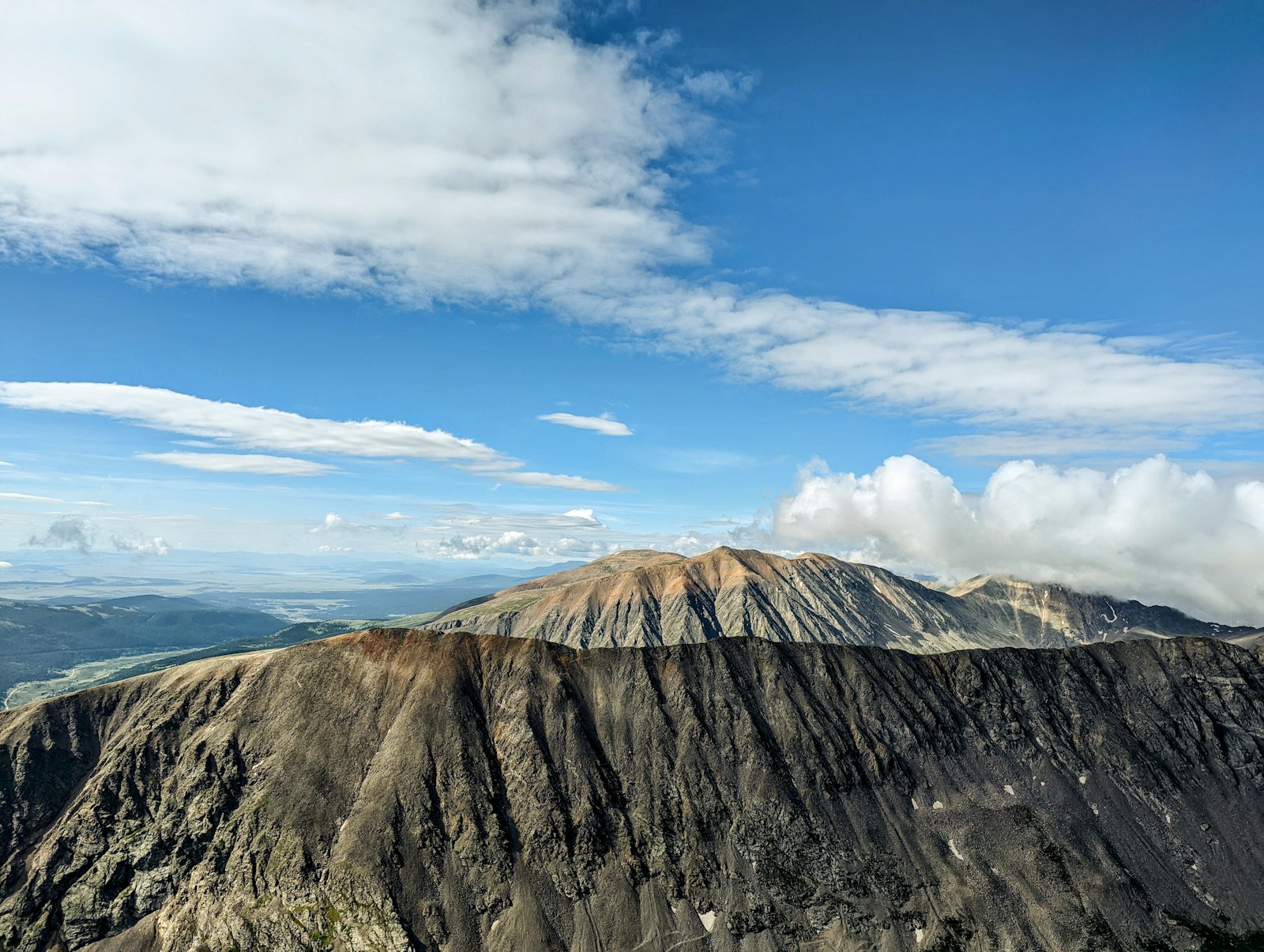
Quandary Peak (14,265 ft) is the closest thing Colorado has to a starter fourteener. The East Ridge trail from the trailhead near Breckenridge is honest and obvious the whole way: just under seven miles round trip with about 3,450 feet of climbing, never harder than a steep staircase of rock and dirt. A resident herd of mountain goats works the upper ridge and will pose shamelessly for photos — keep your snacks zipped away and give them room. The catch is logistics: from June 13 to September 13 you need either a parking reservation at the trailhead (book at hikequandary.com up to two weeks out; a full-day weekend spot runs about $20) or the $7 shuttle from Breckenridge, which starts running at 5am. Solve breakfast the local way: Clint's Bakery & Coffee House on Main Street in Breckenridge opens at 7am, but the better move is grabbing their breakfast sandwiches and pastries the afternoon before and eating at the trailhead in the dark.
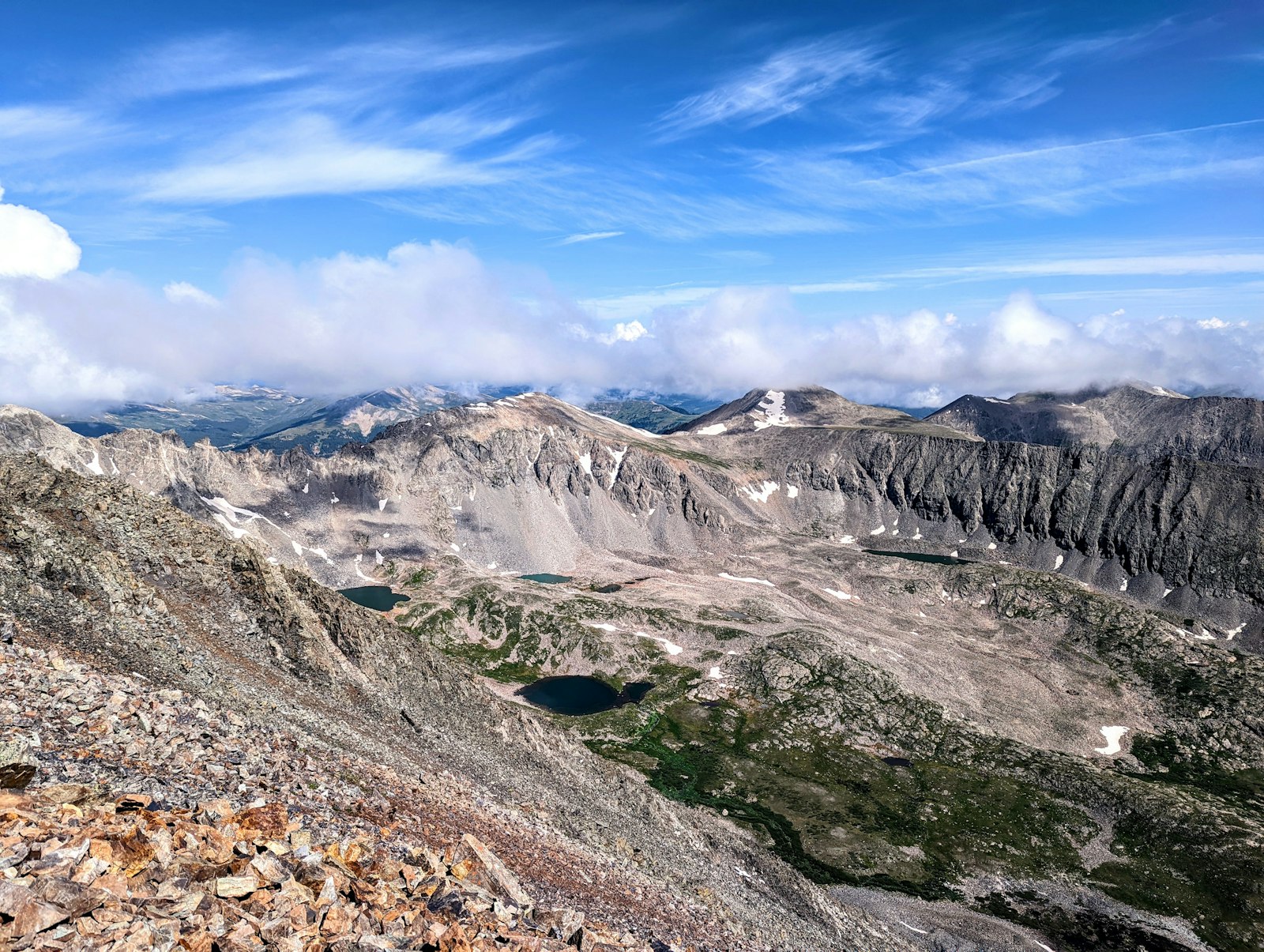
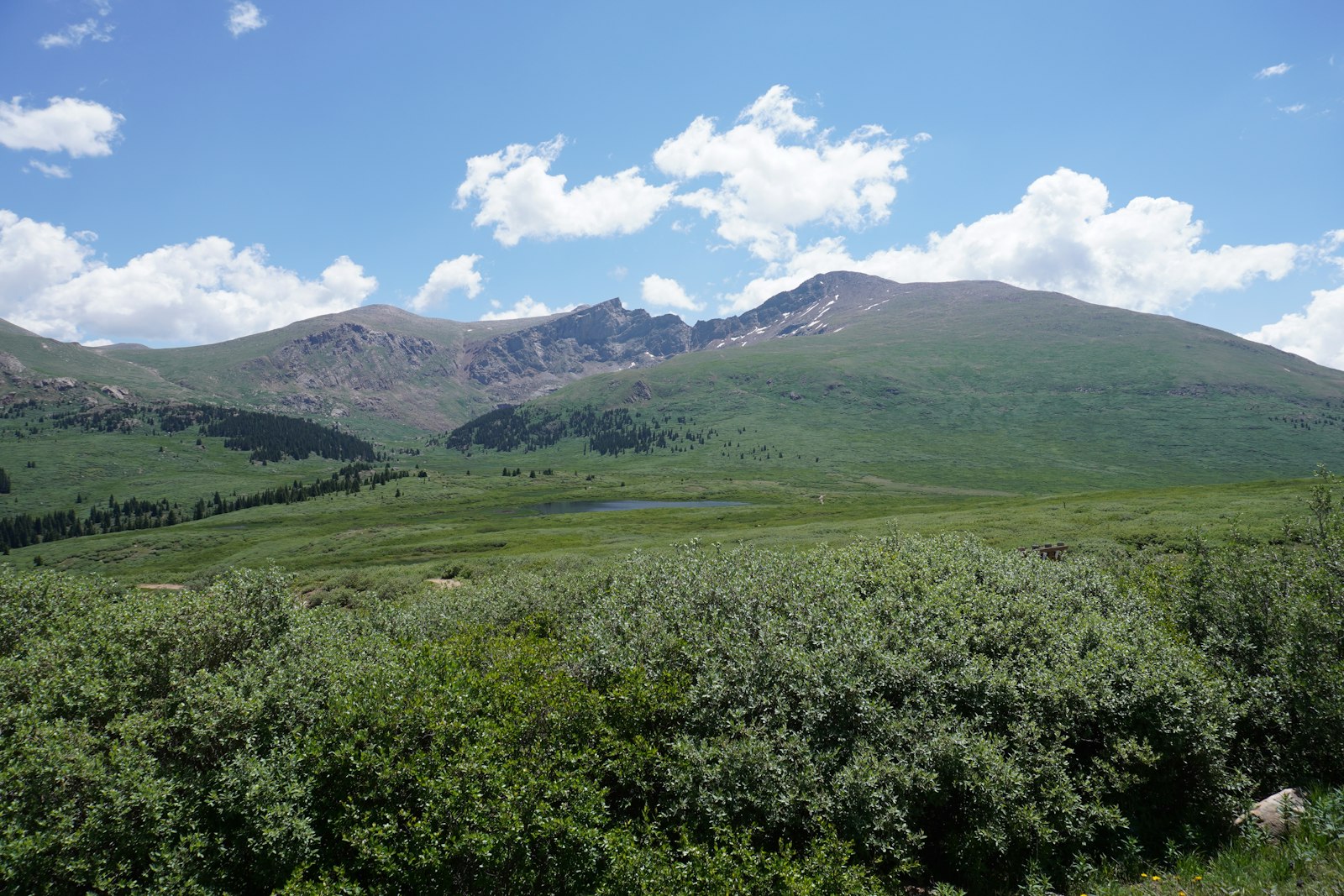
Mount Bierstadt (14,060 ft) is the gentlest introduction, because the road does half the work. The trail leaves from the top of 11,669-foot Guanella Pass above Georgetown, so you only climb about 2,850 feet over seven miles round trip. The opening stretch is famous: a boardwalk threading through willow flats that once made this approach a legendary bog slog, now an easy warm-up with the whole route visible ahead. From the summit you'll stare straight at the jagged Sawtooth ridge connecting to Mount Evans — admire it, don't attempt it; that's a serious scramble for another year. Base yourself in Georgetown, the Victorian silver-mining town at the bottom of the pass road, and earn your post-hike table at The Happy Cooker on 6th Street — family-run since 1974, famous for European-style waffles, and closed Wednesdays and Thursdays, so plan your summit day accordingly.
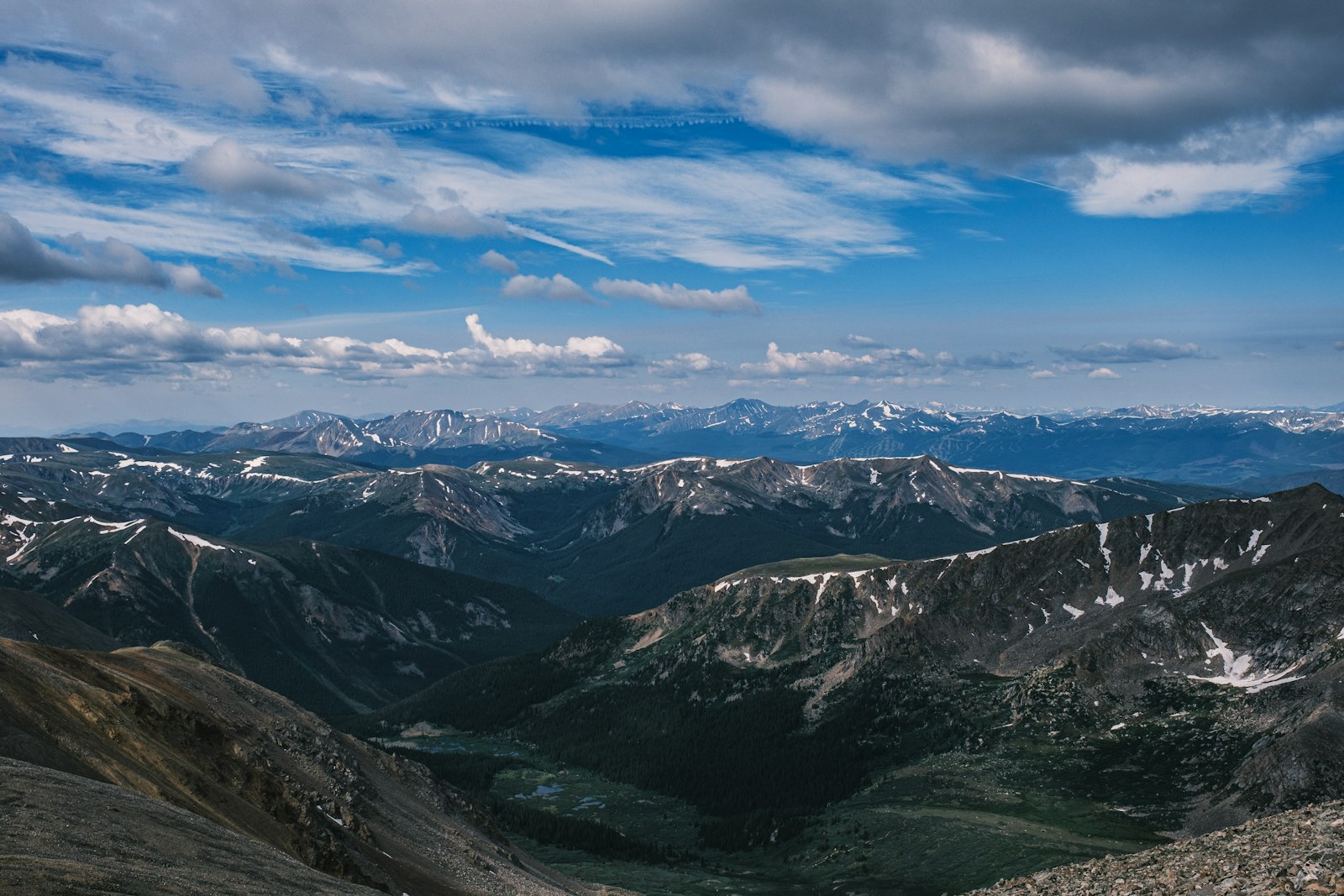
Grays and Torreys (14,278 ft and 14,275 ft) give you two summits for one alpine start. From the Stevens Gulch trailhead off I-70's Bakerville exit, a superb trail climbs to Grays Peak — the highest point on the Continental Divide in North America — then a saddle traverse adds Torreys for only about 600 extra feet of climbing. The full loop is around 8.5 miles with 3,600 feet of gain, and standing on your second fourteener of the morning by 10am is a feeling that hooks people for life. One warning: the three-mile dirt road up to the trailhead is rough and rocky. A careful driver in a small SUV usually makes it, but low-clearance cars park near the highway and add six miles of road walking — check recent trip reports on 14ers.com, where hikers post current road and trail conditions for every peak in the state.
Mount Elbert (14,438 ft) is the biggest prize on this list — the highest summit in the entire Rocky Mountains — and it's still just a walk. The Northeast Ridge route from the North Mount Elbert Trailhead on Halfmoon Road near Leadville runs about 9.5 miles round trip with roughly 4,500 feet of climbing, which makes it a genuinely hard day, but the trail never asks for your hands. Budget extra patience for the two infamous false summits near the top; locals joke that Elbert's real elevation gain is emotional. Leadville itself, at 10,152 feet the highest incorporated city in North America, is the smart base — sleeping that high the night before is the best acclimatization trick there is. Celebrate afterward at High Mountain Pies on West 4th Street, a tiny pizza shop with a line of hikers out the door most summer evenings, and if you plan weeks ahead, book a shopping appointment at Melanzana, the cult-favorite outdoor clothing maker that sews its fleece hoodies right on Harrison Avenue and sells them almost nowhere else — the walk-in side of the store keeps a small stash of hats and overstock if you couldn't get a slot.
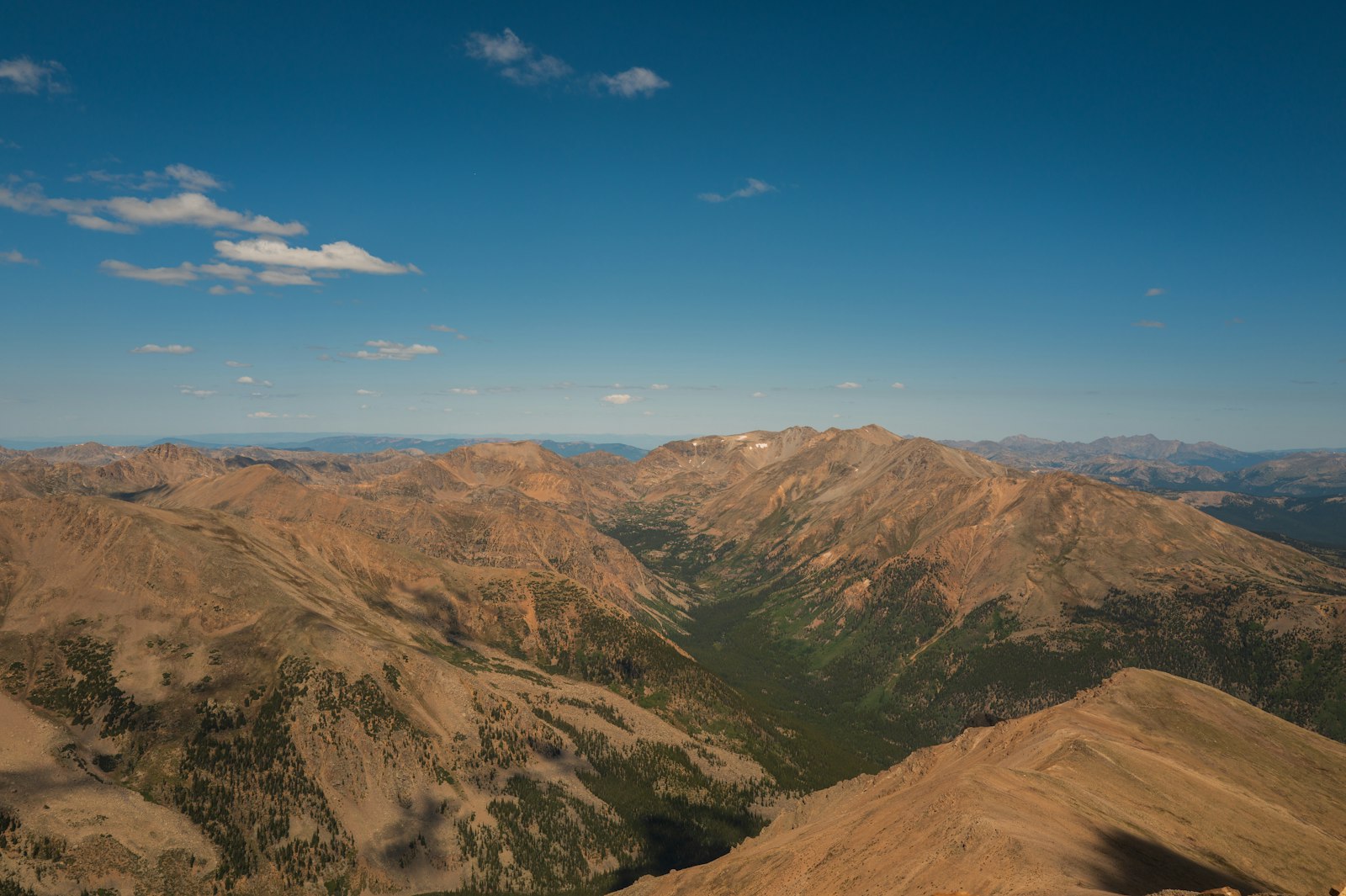
Mount Sherman (14,036 ft) is the shortest full fourteener day you can have. From the winter gate on Fourmile Creek Road above Fairplay — a rough but usually passenger-car-manageable dirt road that deposits you near 12,000 feet — the round trip is only about 5.25 miles with 2,100 feet of gain. The route climbs past the photogenic ruins of the Hilltop and Dauntless mines, weathered wooden tramhouses and cabins from the 1880s silver boom, before a broad ridge walk to the summit. It's the least dramatic peak here and often the windiest, but as a confidence builder or a first fourteener for a mixed-ability group, nothing beats it.
The rules that keep first-timers safe are the same on every peak. Sleep at altitude the night before — Breckenridge, Georgetown, Fairplay, or Leadville all beat driving up from Denver at 3am. Be walking by 5:30 or 6, aim to summit by late morning, and be off exposed ridges by noon; July and August thunderstorms are not a maybe, they're a schedule. Carry three liters of water, real layers (summit windchill can sit near freezing in August), and sunscreen you actually reapply. A pounding headache or nausea means descend — altitude sickness doesn't negotiate. The season runs from late June, when the last snowfields melt off the standard routes, through September, when gold aspens make Guanella Pass and Halfmoon Road as beautiful as the summits. Pick your peak, watch the forecast, and get busy exploring.
About the author
Kristian Ranstrom
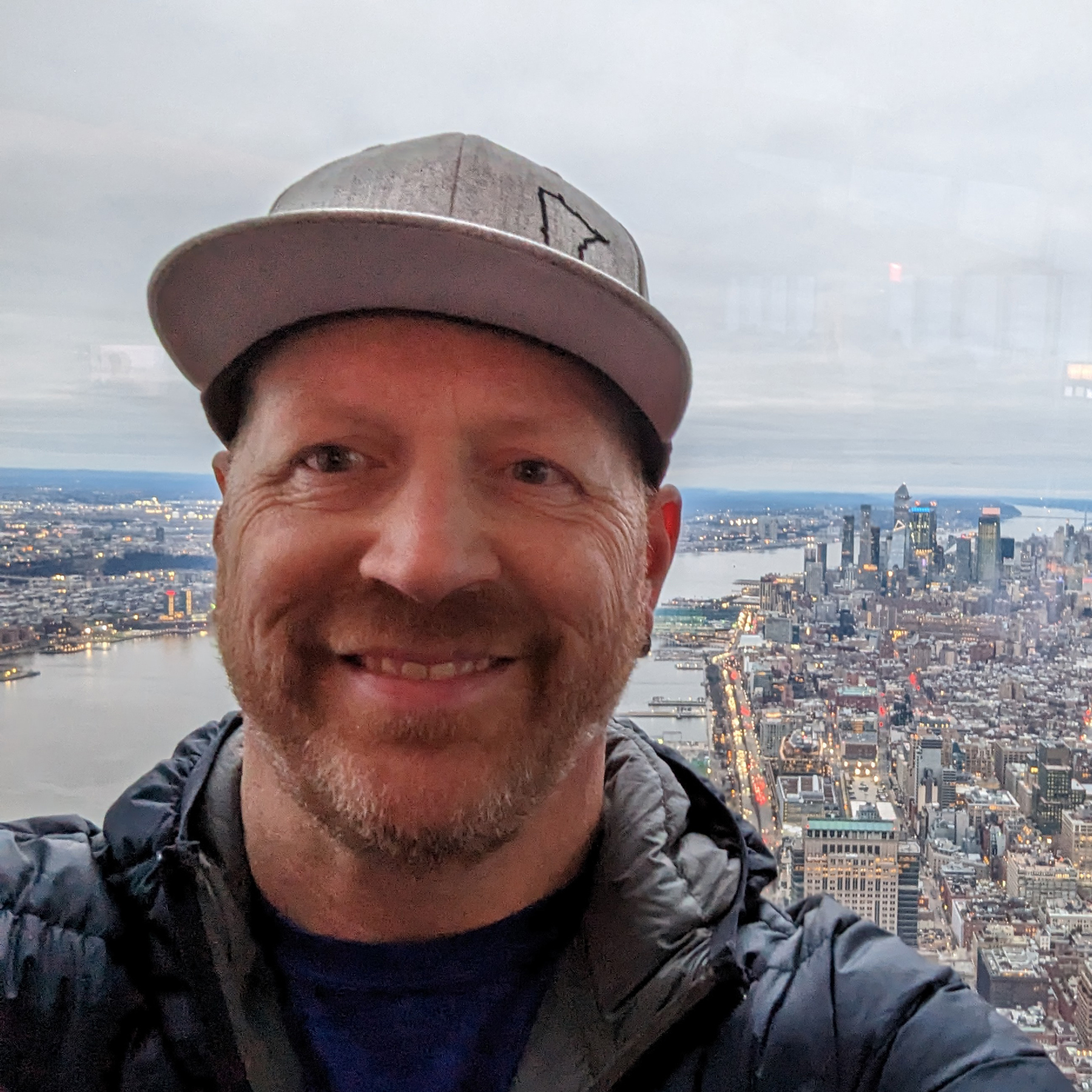
I built Get Busy Exploring because I kept losing track of where I'd been. I chase lists — fourteeners, highpoints, Munros — and I'm just as happy getting lost in a city on foot. I write up the trips here: routes, itineraries, and what I'd do differently.