🗺 View the 9 places in this post on a map
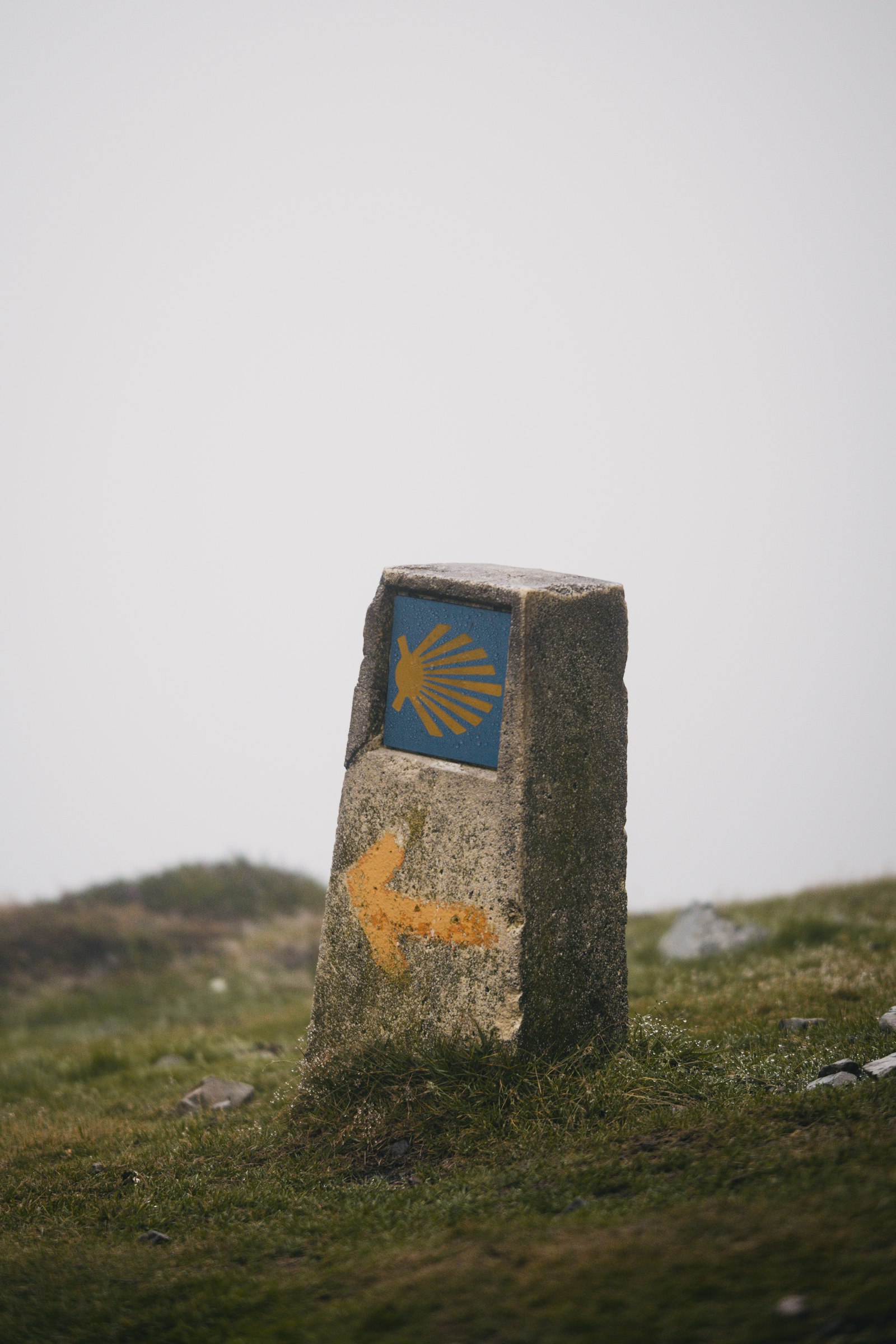
Before there was a French Way, there was this one. Around the year 814, King Alfonso II of Asturias walked from his capital at Oviedo to the newly discovered tomb of St. James — becoming, by tradition, the first pilgrim to Santiago. The route he took is now called the Camino Primitivo, the Original Way, and pilgrims still speak of it as la ruta más antigua — the oldest road to Santiago. It runs 313 kilometers from Oviedo across the Cantabrian Mountains into Galicia, usually split into 13 or 14 stages over about two weeks. It is widely considered the most physically demanding of the main Camino routes, and — ask almost anyone who has walked several — the most beautiful. It is also one of the quietest: while nearly half of all pilgrims crowd the Camino Francés, only a small fraction choose the Primitivo.
What to expect. The first week is honest mountain walking: days of 20 to 30 kilometers through beech woods, high pasture, and stone villages, several of them with more than 1,000 meters of climbing. Weather changes fast in Asturias — mist, rain, and sun can trade places within an hour, in any month. After Lugo the terrain relaxes into rolling Galician farmland. Services are thinner than on the Francés, so you plan your stages around where the albergues and villages actually are, and the pilgrims you meet on day two are mostly the same ones you'll hug in Santiago. That small-group camaraderie, more than any single view, is what people miss when it's over.
Give Oviedo a day before you start. Pick up your pilgrim credential and first stamp at the Cathedral of San Salvador, whose Holy Chamber gave rise to the old saying: he who goes to Santiago but not to the Savior, visits the servant and forgets the Lord. Walk up Monte Naranco to Santa María del Naranco, a 9th-century pre-Romanesque royal hall from Alfonso's own dynasty — UNESCO-listed and startlingly elegant for its age. Then eat like an Asturian on Calle Gascona, Oviedo's self-declared 'Boulevard of Cider,' where waiters pour sidra from arm's length above the glass. Tierra Astur at number 1 is the reliable first-night choice: order fabada, cachopo, and let them keep pouring — you'll climb it off by Thursday.
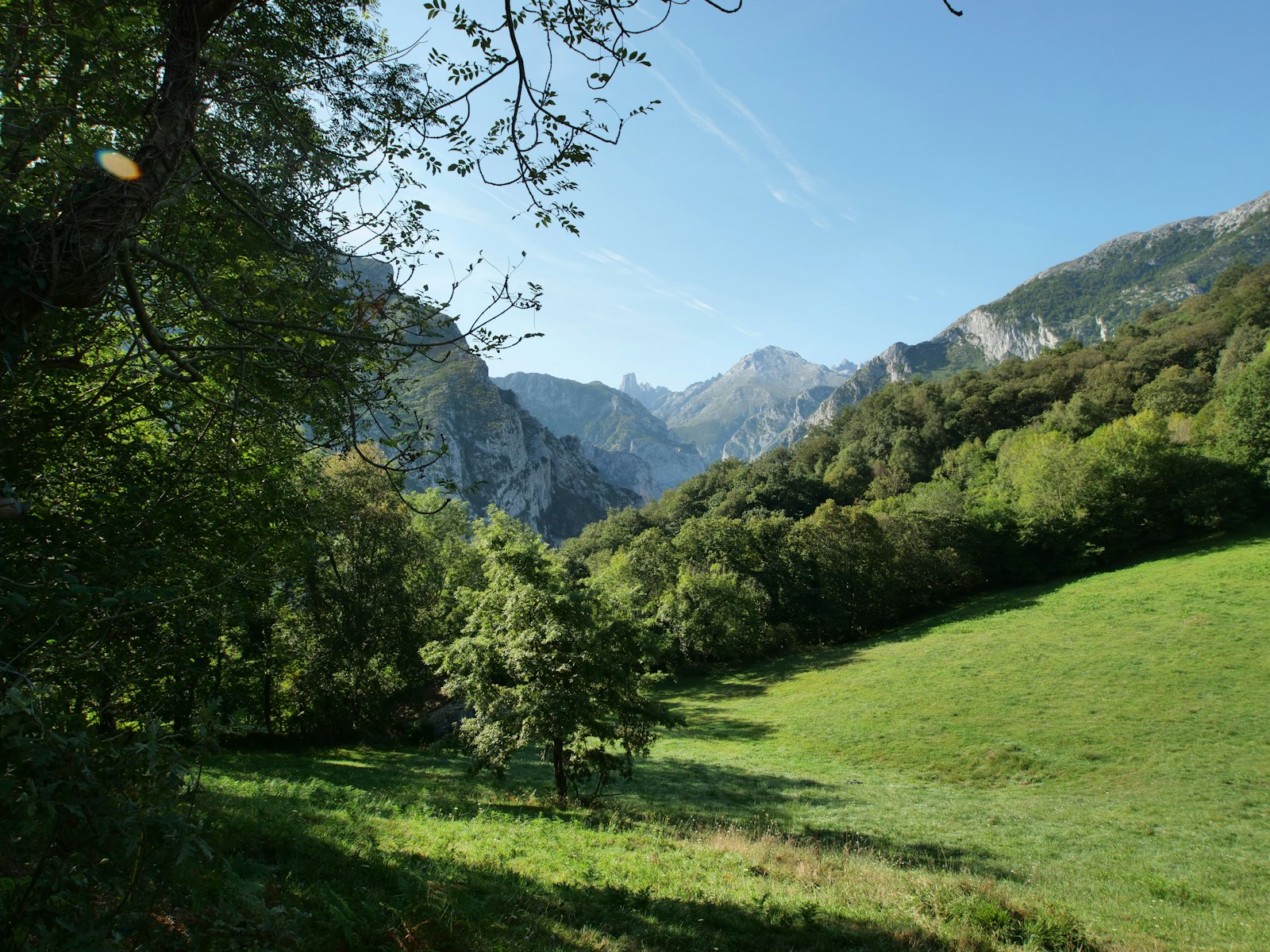
The mountain heart: Tineo to Grandas de Salime. After the market towns of Grado and Salas, the route climbs to Tineo and the hamlet of Campiello, where Casa Herminia — a family-run shop, bar, restaurant, and albergue rolled into one — has fed and sheltered pilgrims for decades. Stay or at least stock up here, because the next morning brings the Primitivo's crown jewel: the Ruta de los Hospitales, a high ridgeline variant past the ruins of three medieval pilgrim hospitals. There are no villages, no fountains, and no shelter for roughly ten kilometers, and in fog or storm you should take the lower route through Pola de Allande instead — but on a clear day it is the finest stretch of walking on any Camino. Both options rejoin at the Puerto del Palo pass (1,146 m), and a day later comes the knee-testing plunge of some 600 vertical meters down to the Salime dam, where a drowned village sleeps beneath the reservoir. Trekking poles earn their keep twice on that descent.
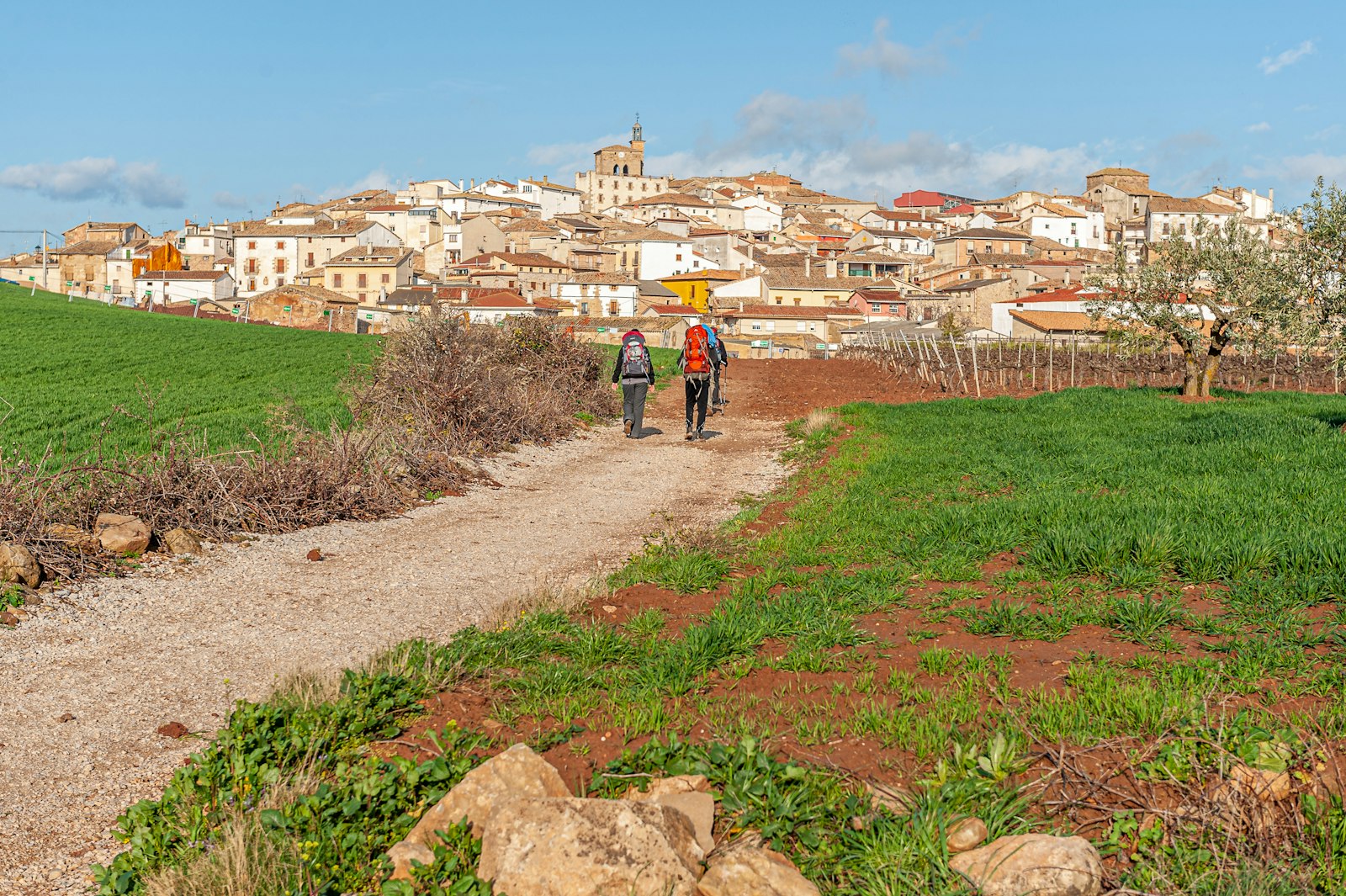
Into Galicia — and a rest day in Lugo. The climb out of the Salime valley crosses into Galicia at A Fonsagrada, the highest town in the region, and the walking softens through O Cádavo toward the route's great mid-point reward: Lugo, the only city on Earth still completely encircled by intact Roman walls. Walk the full 2.1-kilometer loop along the ramparts at dusk — it's free, UNESCO-listed, and the best city walk in northern Spain — then take advantage of Lugo's old custom of serving a free tapa with every drink. Many pilgrims schedule a rest day here. Note for short-timers: Lugo sits just over 100 kilometers from Santiago, the minimum walking distance for a Compostela certificate, so a five-day Lugo-to-Santiago walk is the Primitivo's best abbreviated version.
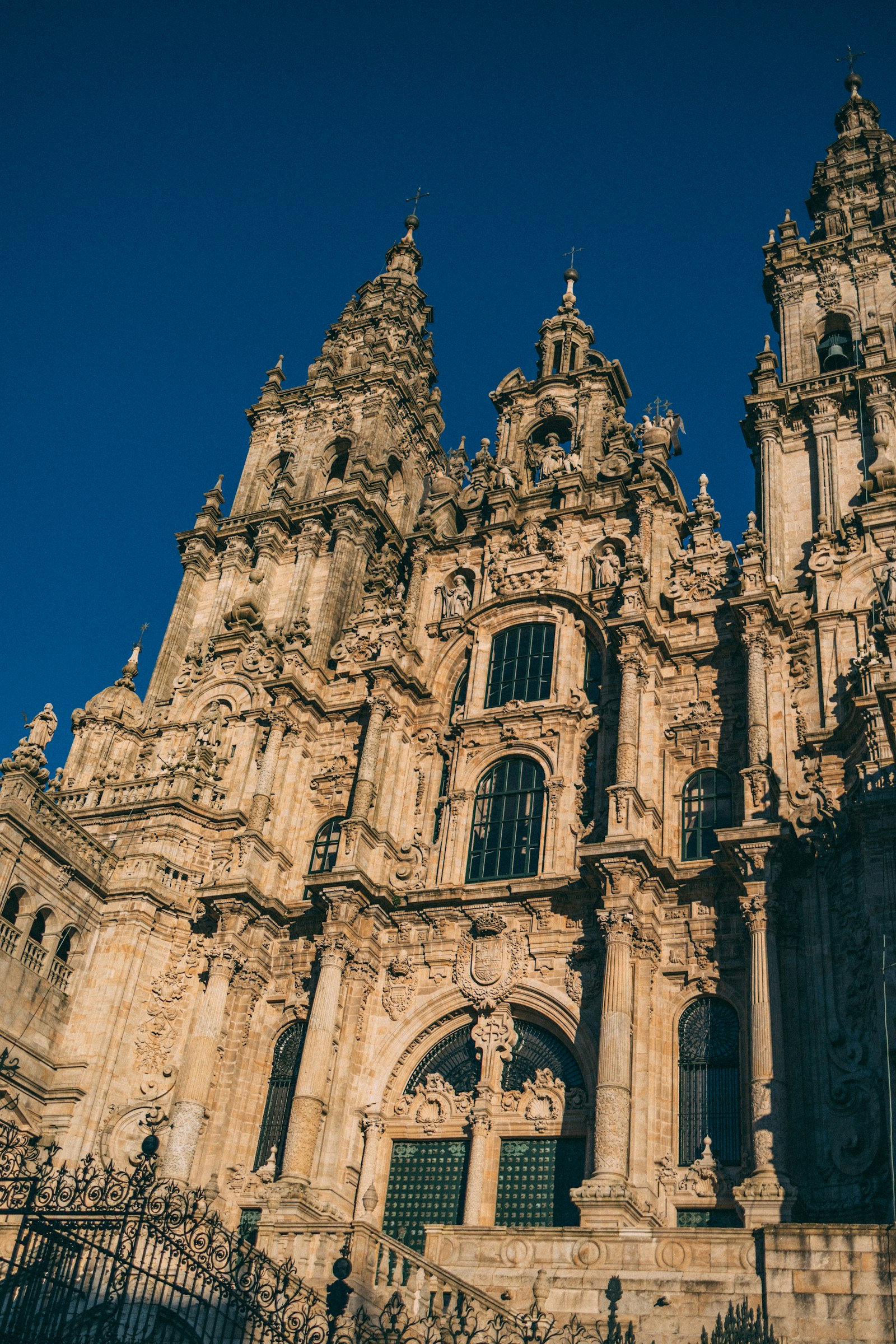
The final days. At Melide the Primitivo empties into the Camino Francés, and after two weeks of quiet the sudden river of pilgrims is a genuine culture shock. Soften it with lunch at Pulpería Ezequiel, the most famous octopus house in Galicia: pulpo a feira snipped straight from copper cauldrons onto wooden plates, eaten at communal benches with toothpicks, bread, and Ribeiro wine. From there it's two or three days through eucalyptus and cornfields — grab some Arzúa-Ulloa cheese en route — until you round the corner into the Praza do Obradoiro, drop your pack under the cathedral's baroque facade, and join the line at the Pilgrim's Office for the certificate Alfonso II never needed.
How to prepare. Train with back-to-back days: two or three consecutive 20–25 km walks, wearing the loaded pack and the exact footwear you'll bring, tell you more than any single long hike. Most Primitivo walkers choose broken-in trail runners or light boots, plus trekking poles for the descents and full rain gear regardless of season — this is green Spain, and it's green for a reason. Keep your pack under about 10 percent of your body weight; luggage transfer services (including Spain's Correos post office) cover the route if you'd rather walk light. Go between May and September — June hits the sweet spot of long days, mild temperatures, and manageable crowds. Municipal albergues run on a first-come basis for a few euros; in July and August, phone private albergues a day ahead, especially in the small mountain villages where beds are genuinely finite. Budget €35–45 a day for bunks, pilgrim menus, and cider stops, carry some cash for villages without ATMs, and stamp your credential twice a day in the last 100 kilometers. Then walk. The oldest road to Santiago rewards every bit of the work it demands.

About the author
Kristian Ranstrom
I built Get Busy Exploring because I kept losing track of where I'd been. I chase lists — fourteeners, highpoints, Munros — and I'm just as happy getting lost in a city on foot. I write up the trips here: routes, itineraries, and what I'd do differently.