🗺 View the 13 places in this post on a map
There has never been a better year to see Barcelona. In February 2026 — one hundred years after Antoni Gaudí's death — workers set the final piece of the cross atop the Sagrada Família's Tower of Jesus Christ, architecturally completing the central spire at 172.5 meters and making it the tallest church on Earth, 144 years after construction began. The city around it remains what it has always been: a Mediterranean capital where Gothic alleys open onto modernist boulevards, where the beach is a metro stop from the cathedral, and where the best meals are still served across marble counters by the third generation of the same family. Give it three to four days. May, June, and the September–October shoulder are the sweet spots — summer is hot, crowded, and wonderful anyway.
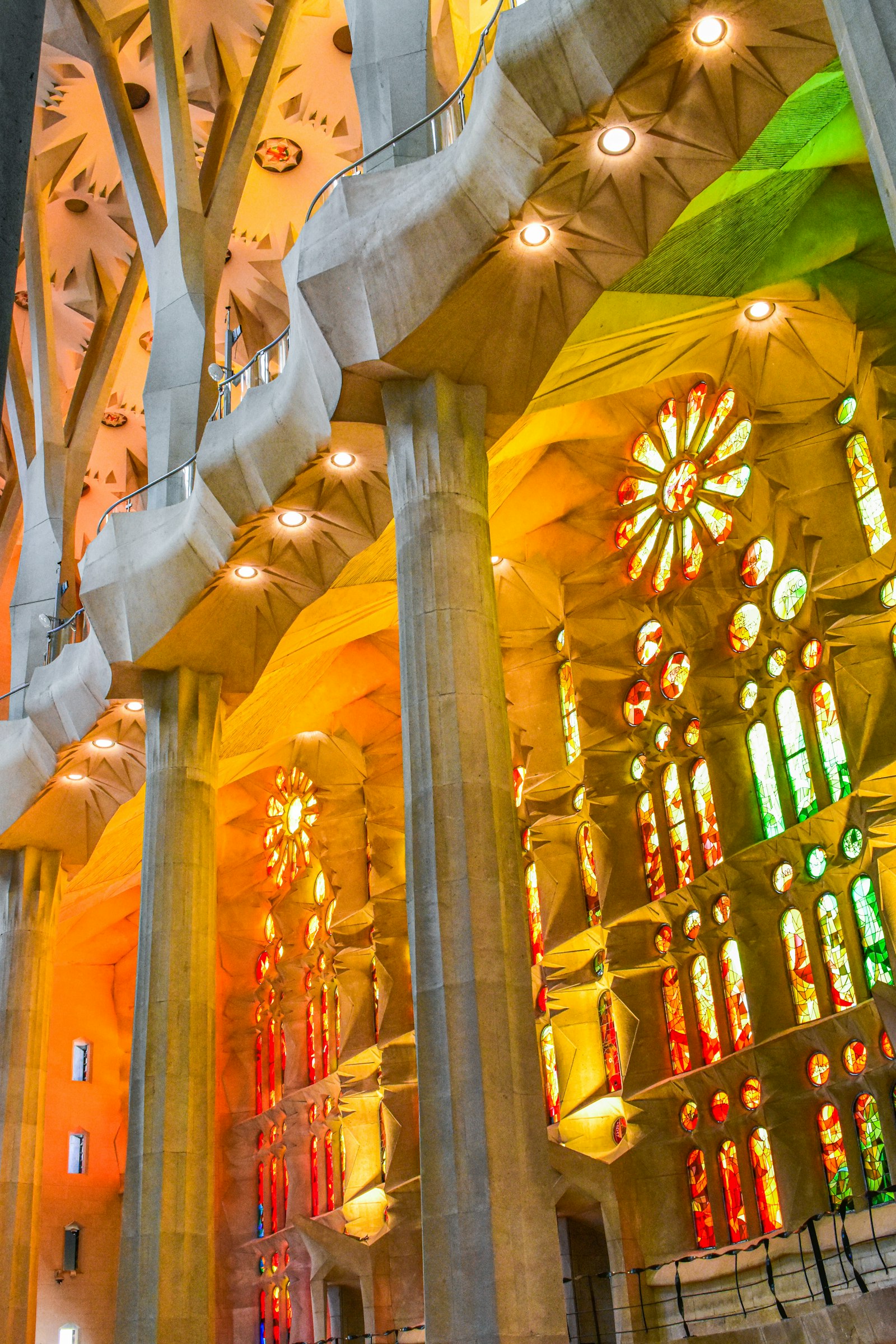
Start with the basilica, and book like you mean it. The Sagrada Família now sells out days ahead in any season, so buy the timed ticket online the moment your dates are set, take the audio guide, and pay the small upgrade for tower access. Go at opening or in late afternoon, when the low sun detonates the stained glass — Gaudí arranged cool blues and greens on the Nativity side and molten oranges on the Passion side, so the interior literally changes temperature with the hour. Plan on ninety minutes inside; you'll stay longer.
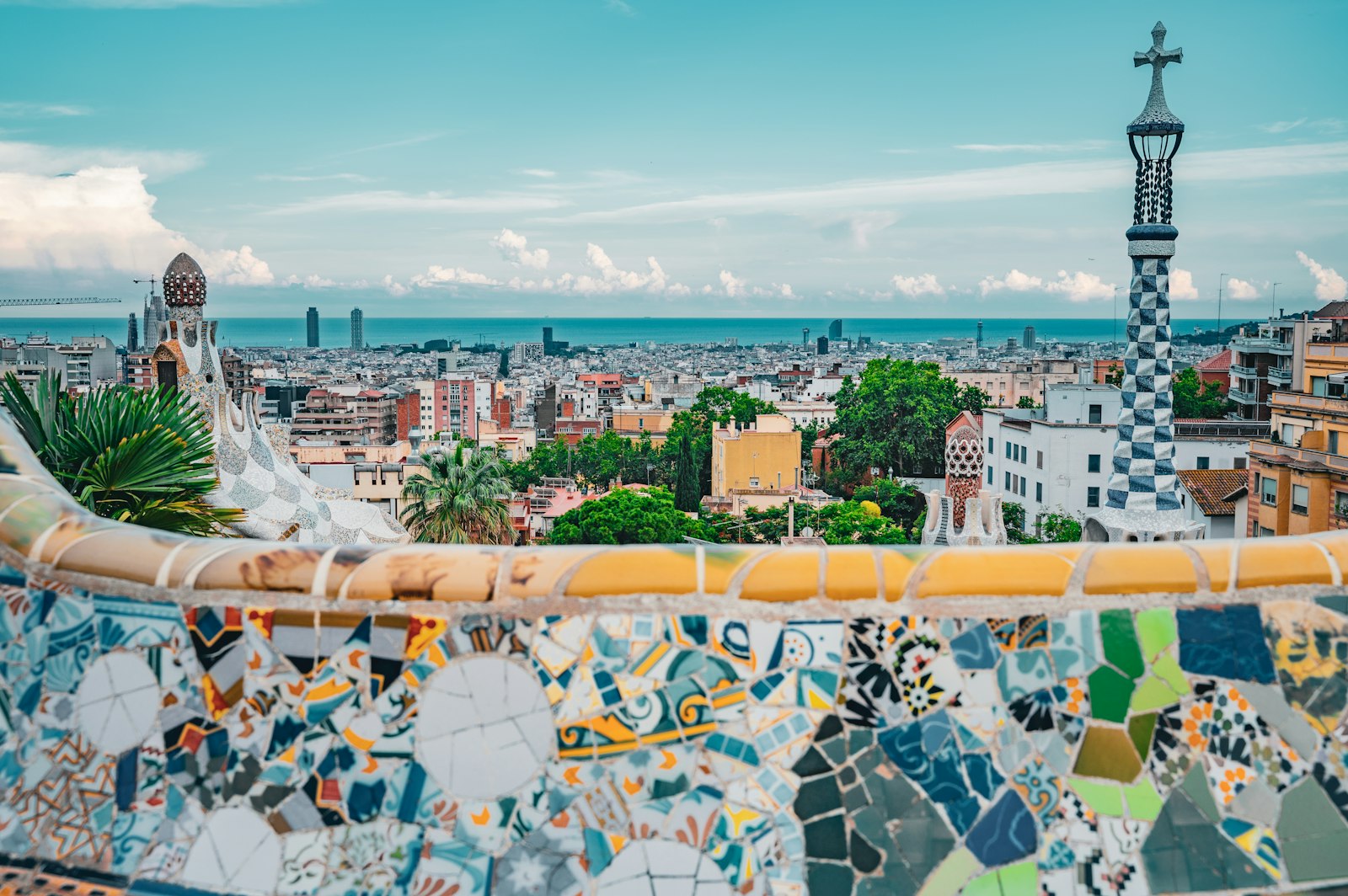
Give Gaudí a second morning. Park Güell rewards the earliest time slot you can book — the monumental zone's mosaic salamander and serpentine bench are shoulder-to-shoulder by 10am, but at 9 the trencadís still has room for you, and the view from the terrace runs clear to the sea. Then walk the Passeig de Gràcia for the two great façades you can admire for free from the sidewalk: Casa Batlló, with its bone-like balconies and dragon-scale roof, and Casa Milà (La Pedrera) a few blocks up, whose undulating stone face has no straight lines at all. Go inside one, not both — La Pedrera's rooftop warrior-chimneys edge it for most people — and spend the savings on lunch.
Lose the map in the old city. The Gothic Quarter is best treated as a labyrinth with rewards: the Barcelona Cathedral and its geese-guarded cloister, Roman walls surfacing mid-block, and squares that appear from nowhere. Cross Via Laietana into El Born and duck into Santa Maria del Mar, the sailors' basilica built by the neighborhood itself in just 55 years — its bare, soaring nave out-atmospheres the cathedral for many visitors. Two doors from the Picasso Museum on Carrer de Montcada, El Xampanyet has been pouring its own slightly fizzy house cava under hanging hams since 1929: stand at the counter, order the anchovies it's famous for, and let the tapas keep coming. And when you want a market, skip the Boqueria's selfie gauntlet for the Mercat de Santa Caterina five minutes away — same jamón, tomatoes, and counters, a fraction of the crowd, all under a technicolor wave of a roof.
Eat where Barceloneta eats. The old fishermen's grid between the marina and the sand hides the city's best-loved lunch counter: La Cova Fumada, an unmarked tavern the Solé family has run since 1944, and the certified birthplace of the bomba — a fist-sized fried potato ball, spiked with spicy sauce and aioli, invented by the current owners' grandmother. Come before 1pm, expect to share elbow room, bring cash, and order the chickpeas and the grilled sardines too; it closes by mid-afternoon most days. Then do what the neighborhood does and walk it off along Barceloneta Beach — best in the morning or at dusk, when the paddle-tennis games and swimming clubs outnumber the tourists.
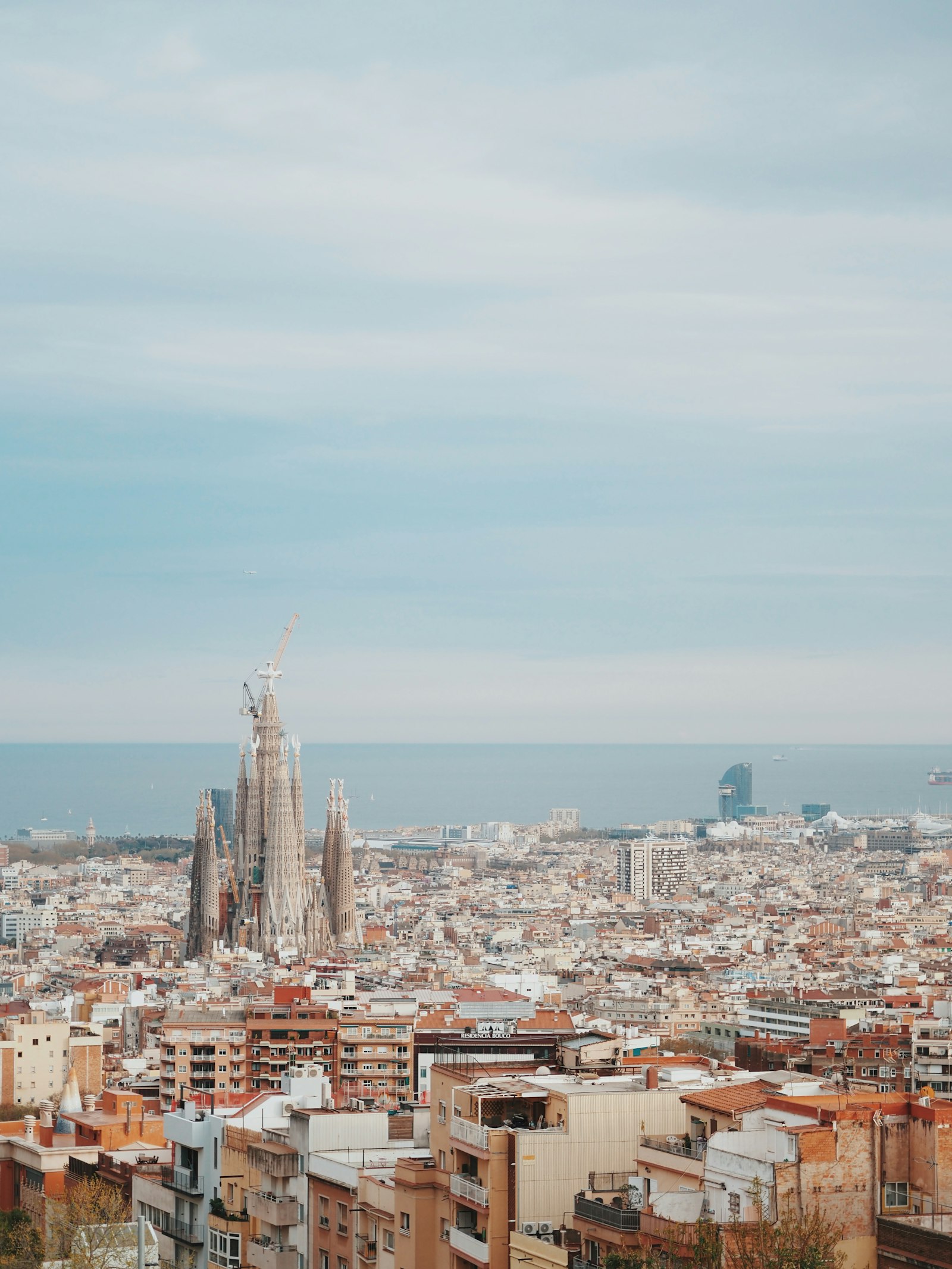
For the view, go up — with a caveat. The famous 360° panorama from the Bunkers del Carmel, the Civil War anti-aircraft platforms on Turó de la Rovira, is still the best free viewpoint in Barcelona — the whole city grid, the Sagrada Família, and the sea in one sweep. But the sunset free-for-all is over: after years of nightly crowds, the city fenced the summit in 2023, and it now opens roughly 9am to 7:30pm in summer (5:30pm in winter), with fines for overstaying. Go late afternoon for the light and treat it as a daytime lookout. If you want your panorama with a ride attached, take the cable car up Montjuïc instead — Montjuïc Castle's ramparts trade the skyline angle for a harbor view and stay open into the evening.
Practical notes: book the Sagrada Família and Park Güell before you fly; everything else can be spontaneous. The metro is excellent — load a T-casual ten-ride card and skip taxis entirely. Keep phones and wallets zipped on the Ramblas and the beach; pickpocketing is Barcelona's one genuine tourist hazard. Base yourself in the Eixample for architecture at your doorstep, El Born for atmosphere, or Gràcia for a village-in-the-city feel two metro stops from everything. And leave one evening unplanned: the city's best hours are the paseo ones, when the vermouth bars fill at seven and dinner doesn't start until nine.
About the author
Kristian Ranstrom
I built Get Busy Exploring because I kept losing track of where I'd been. I chase lists — fourteeners, highpoints, Munros — and I'm just as happy getting lost in a city on foot. I write up the trips here: routes, itineraries, and what I'd do differently.