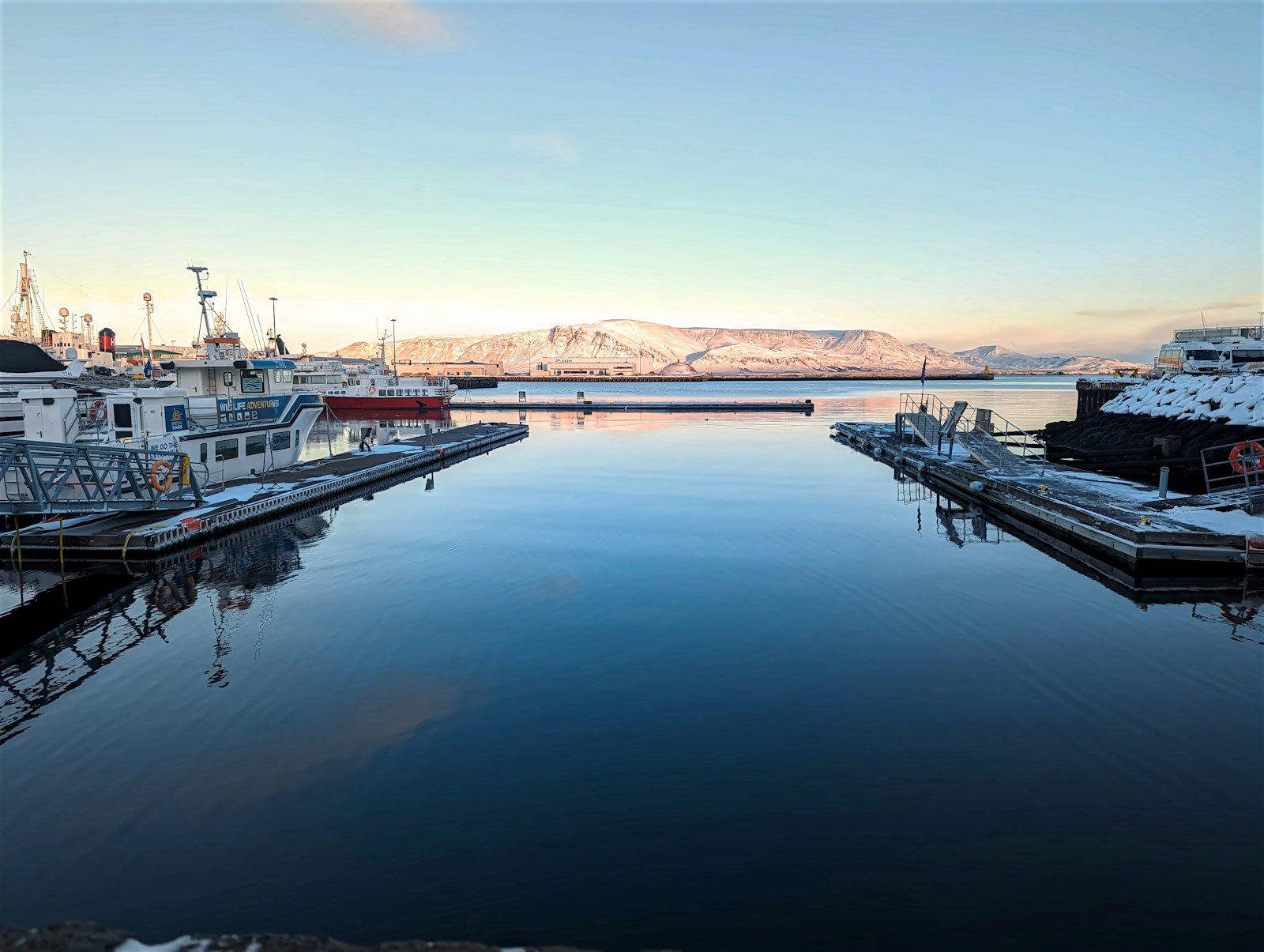
Reykjavík Food Tour: A Self-Guided Day of Local Eats
🗺 View the 20 places in this post on a map
Reykjavík is the rare capital you can eat your way across on foot in a single day. The whole downtown — from the church on the hill to the fish sheds on the harbor — is about a 30-minute walk end to end, and packed into it is a food scene that punches far above a city of 140,000: bakeries that would hold their own in Copenhagen, a hot dog stand with a global cult following, fishermen's cafés that predate the republic, and food halls in converted bus stations and fish factories. Icelandic food is not what it was in the fermented-shark days. It is lamb that grazed on wild thyme, fish landed that morning, skyr, rye bread baked in geothermal heat, and very, very good coffee.
This self-guided food tour is built as one long day, roughly 6–7 kilometers of walking with a short bus or taxi hop for the locals' detour. You can absolutely split it across two days — and if you would rather have someone else do the ordering, the guided walks that leave from Harpa are excellent — but everything below is walk-up-and-eat, no booking needed except where noted.
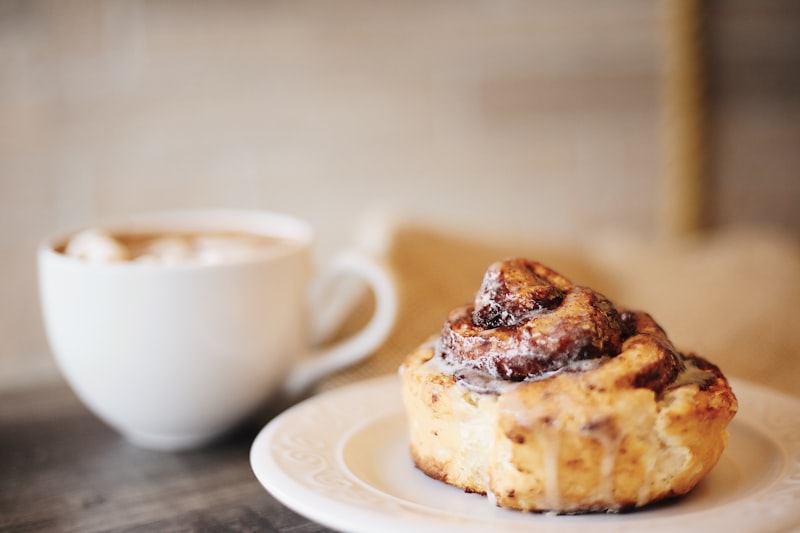
Morning: Skólavörðustígur and the church hill. Start at Brauð & Co (Frakkastígur 16), the tiny bakery with the graffiti-covered exterior just off Laugavegur. Locals queue here from opening for the cinnamon roll — snúður — a sticky, cardamom-scented spiral that is the closest thing Iceland has to a national pastry, and the sourdough loaves sell out by early afternoon. Take your roll two minutes uphill to Reykjavík Roasters (Kárastígur 1), the city's original specialty coffee shop, where a flat white in the mismatched-chair front room is the proper Reykjavík breakfast. If Brauð's queue is out the door, Sandholt (Laugavegur 36) is the century-old alternative with tables and a proper brunch.
From there, walk up Skólavörðustígur — the rainbow-painted street — to Hallgrímskirkja. Take the elevator to the tower for the best view of the city's corrugated-iron rooftops, then cross the road to the bright yellow house that is Café Loki (Lokastígur 28). Loki is where visitors first meet the traditional plates: dense dark rye bread (rúgbrauð) with smoked trout, mashed-fish plokkfiskur, and, famously, rye-bread ice cream. Don't skip it.
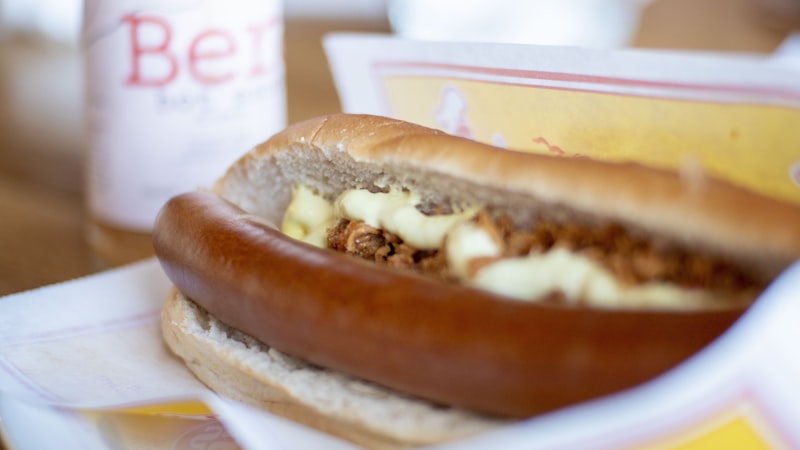
Midday: the hot dog and the harbor. Head downhill through the old town to Tryggvagata and join the line at Bæjarins Beztu Pylsur — the little red-roofed hut that has been serving hot dogs since 1937 and once fed Bill Clinton. Order eina með öllu ("one with everything"): a lamb-based sausage in a steamed bun with ketchup, sweet brown mustard, remoulade, raw onion, and crispy fried onion underneath. It costs the price of a coffee, which in Iceland makes it the best-value meal in the country.
A hot dog is a snack, not lunch, so walk five minutes along the waterfront to the Old Harbor and Sægreifinn — the Sea Baron — at Geirsgata 8. This green shed with communal wooden benches was opened by a retired fisherman and does one thing famously: langoustine soup, creamy and faintly spiced, served with bread, plus fish skewers you pick from the cooler and they grill to order. On Saturdays and Sundays, back up at Tryggvagata 19, the weekend flea market Kolaportið (11am–5pm) has a food corner where you can buy a taste of hákarl — the notorious fermented shark — along with wind-dried fish (harðfiskur, eaten with butter), twisted kleinur doughnuts, and every kind of Icelandic licorice. Have your Brennivín chaser ready.
Afternoon: Grandi, the fish-shed neighborhood. Follow the harbor west past the whale-watching boats onto Grandagarður, the working pier that has quietly become the city's best food street. Your first stop is the one most guides walk straight past: Kaffivagninn (Grandagarður 10), the oldest restaurant in Iceland. It began in 1935 as a coffee truck feeding the trawler crews and still fills up with harbor workers at lunch. Order the plokkfiskur or the fish of the day and sit by the window overlooking the boats — this is the unfussy, real-Reykjavík meal, and it costs noticeably less than anything on Laugavegur.
A few doors on, Grandi Mathöll (Grandagarður 16) is a food hall inside a former fish factory, with a dozen counters that range from Icelandic lamb and fish stew to Thai and tacos — the right call if your group cannot agree on one cuisine. Then get in the queue outside Valdís (Grandagarður 21) for a scoop; the licorice and the salted caramel are the ones to try. If chocolate is more your thing, Omnom Chocolate (Hólmaslóð 4) runs its bean-to-bar factory and shop at the far end of the pier, and the factory tours are worth booking a day or two ahead.
The locals' detour: swim, then ice cream. Here is the one stop that separates a food tour from a food ritual. Take bus 11 or 14 (or a ten-minute taxi) west into the residential neighborhood of Vesturbær and go to Vesturbæjarlaug, the neighborhood pool on Hofsvallagata. Icelanders treat pools the way other countries treat pubs: for a few hundred króna you get an outdoor lap pool and a row of geothermal hot pots at escalating temperatures. Follow the rules — shower thoroughly without your swimsuit first — and soak until your fingers wrinkle.
Then do what everyone around you is about to do: walk two minutes to Ísbúð Vesturbæjar (Hagamelur 67), the ice cream shop that has stood on that corner since 1971. Order the gamli ís — the "old ice cream," a cold, milky soft-serve made to a house recipe — dipped in chocolate or blended with a candy bar of your choice into a bragðarefur. Eating it outside in a cold wind, hair still wet from the hot pot, is as Reykjavík as it gets.
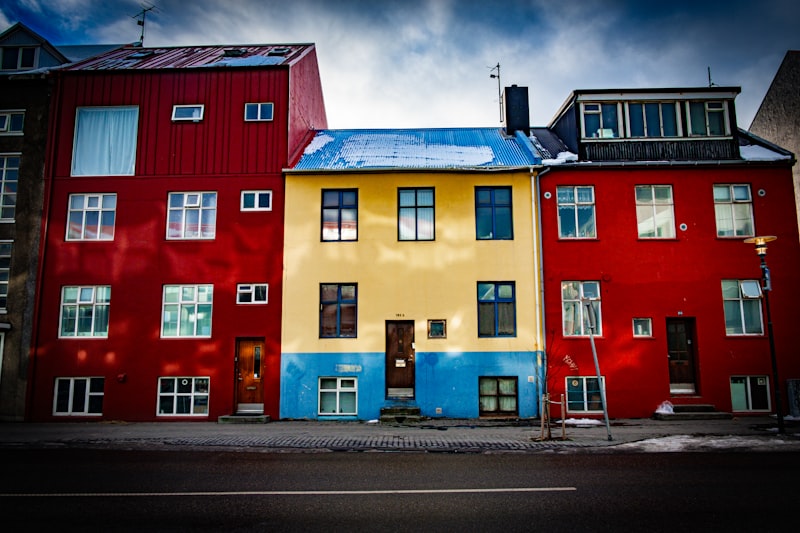
Evening: dinner and a nightcap. Head back downtown for dinner. The dependable, mid-priced choice is Messinn (Lækjargata 6b), which serves fish the way Icelanders actually eat it at home — pan-fried arctic char or cod brought to the table sizzling in the skillet with potatoes and butter, no foam in sight. Book a day ahead. For a hearty alternative, Íslenski Barinn (Ingólfsstræti 1a) does the classic lamb soup kjötsúpa and a lamb-and-rye plate in a room that feels like a wooden farmhouse. If you are traveling in a group with mixed appetites, Hlemmur Mathöll — the food hall in the old bus terminal at the top of Laugavegur — is the busiest room in town at 7pm. And if you want to see what modern Icelandic cooking can do with the same ingredients, Dill (Laugavegur 59) holds Iceland's first Michelin star and its tasting menu is the splurge of the trip; reservations open weeks out.
Finish at Skúli Craft Bar (Aðalstræti 9), on the little square by the city's oldest street, with 14 taps of Icelandic craft beer, and a shot of Brennivín, the caraway schnapps, if you have earned it after the shark.
Practical notes. Iceland is expensive, and food is where you feel it: budget roughly 700–900 ISK for the hot dog, about 3,000 ISK for the lobster soup, 2,500–4,000 ISK for a food-hall plate, and 5,000–7,000 ISK for a main at a sit-down restaurant. Tipping is not expected anywhere, tap water is excellent and free, and every stall on this route takes cards. Supermarkets (Bónus and Krónan) are the budget traveler's friend for skyr, rye bread, and cheese if you are self-catering.
Summer brings 20-hour daylight and outdoor tables; late February and March bring the Food & Fun festival, when visiting chefs take over the city's kitchens, and a fair chance of the northern lights over the harbor on the walk home. Whenever you go, the route works in any weather — every stop is indoors or a two-minute dash from the last one.

About the author
Kristian Ranstrom
I built Get Busy Exploring because I kept losing track of where I'd been. I chase lists — fourteeners, highpoints, Munros — and I'm just as happy getting lost in a city on foot. I write up the trips here: routes, itineraries, and what I'd do differently.